

AI CERTS
4 months ago
Exein Funding Elevates Security Level 3 Embedded Defense
The company specializes in Security Level 3 protections that operate directly inside firmware and embedded runtime. Moreover, that focus aligns with regulations and a booming IoT market set to reach USD 56.2 billion by 2029. This article unpacks the new funding, product roadmap, market context, and challenges ahead for Exein and its backers. Readers will gain actionable insights that inform investment decisions and technical strategies.
Funding Momentum Rapidly Accelerates
Exein’s fundraising curve steepened throughout 2025. Initially, a €70 million Series C led by Balderton closed on 16 July. Subsequently, Blue Cloud Ventures expanded the round with €100 million in December, including a J.P. Morgan facility. Consequently, total 2025 funding reached roughly €170 million, dwarfing the €15 million Series B disclosed in 2024. Investors cite growing demand for Security Level 3 resilience inside connected devices as the primary driver. Moreover, Balderton’s Elena Moneta warned that weak device hygiene lets attackers bypass perimeters, reinforcing the Security Level 3 thesis. Blue Cloud’s Rami Rahal echoed that view, highlighting exponential growth in IoT endpoints. These capital infusions position Exein to scale globally and pursue selective acquisitions in 2026.
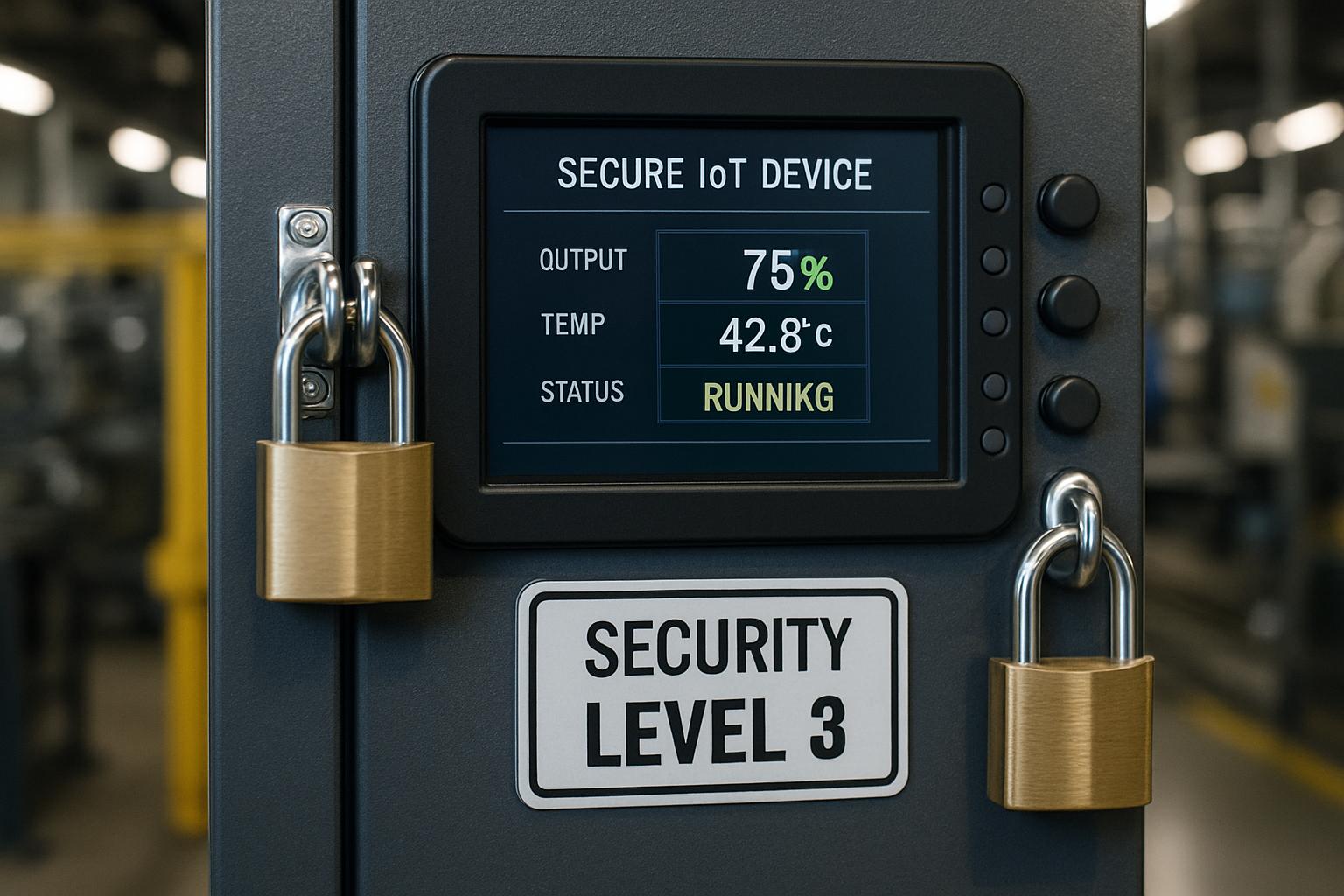
Exein’s record funding underscores investor confidence and provides formidable war chest. Next, market dynamics explain why timing favors embedded defenders.
Market Forces Shape Opportunity
Global IoT adoption continues its steep climb, with industry trackers estimating up to 21 billion devices online today. MarketsandMarkets projects spending rising from USD 24.2 billion in 2024 to USD 56.2 billion by 2029.
- USD 24.2 billion IoT security spending in 2024
- USD 56.2 billion forecast for 2029
- 18.4 percent projected CAGR
Regulators also tighten rules; the EU Cyber Resilience Act and US Cyber Trust Mark both demand stronger device assurances. Consequently, enterprises seek Security Level 3 safeguards that withstand offline attacks and supply-chain tampering. Investors see a rare alignment of regulatory pressure, technical need, and addressable revenue. Therefore, Exein’s positioning within firmware makes the firm an attractive pure-play bet.
Expanding device counts and regulations create fertile ground for firmware security vendors. Understanding Exein’s technical approach clarifies how it maps to that opportunity.
Embedded Runtime Protection Explained
Embedded security places defensive code inside the firmware stack rather than at the network edge. Exein instruments boot loaders, operating systems, and applications with sensors that perform integrity checks during execution. Furthermore, those sensors trigger automated containment when anomalies indicate memory corruption or unauthorized privilege escalation. The company describes this decentralised mesh as a digital immune system. Security Level 3 classification implies controls persist even without continuous connectivity or cloud assistance. Moreover, Exein’s approach supports resource-constrained systems by minimising CPU overhead through lightweight agents written in Rust. Industry analysts group such capabilities under Runtime Application Self-Protection, or RASP. Consequently, embedded in-process defence complements cloud analytics and patch management.
Exein’s in-process instrumentation seeks to harden endpoints where legacy perimeter models fail. Strategic partnerships accelerate that deployment model.
Scaling Through Strategic Partnerships
In January 2025, Exein signed a pivotal deal with MediaTek to embed its software into the Genio chipset family. MediaTek ships billions of IoT modules, so the agreement could rapidly multiply installed base counts. Additionally, Exein lists Daikin, SECO, and Kontron among OEM customers deploying the firmware agent today. Gianni Cuozzo states that more than a billion devices now run the platform, though external audits remain pending. Nevertheless, partnerships with chipset vendors create distribution leverage unmatched by most security startups. Therefore, Exein plans to allocate new funding toward additional silicon alliances and selective mergers. Such moves aim to embed Security Level 3 protections deeper into global supply chains.
Channel agreements give Exein scale without proportionate sales overhead. However, several challenges could still temper growth.
Challenges And Competitive Landscape
Performance overhead remains a pressing concern for embedded developers working with constrained microcontrollers. OWASP contributors note that every additional defensive check can drain battery life or delay critical tasks. In contrast, Exein claims single-digit CPU usage, yet independent benchmarks have not been published. Competition also intensifies as Microsoft, AWS, Palo Alto, and Armis expand device security portfolios. Moreover, buyers sometimes bundle cloud and endpoint tooling, disadvantaging point solutions without broad ecosystems. Security Level 3 guarantees may help Exein differentiate, yet customers will demand proof through certifications and audits. Consequently, transparent device counts and third-party testing will be crucial during 2026 procurement cycles.
Competitive pressures and verification demands pose material execution risks. Certification pathways can partially address these concerns.
Certification Pathways For Professionals
Security practitioners often validate skills through vendor-neutral programs. Professionals can enhance their expertise with the AI Security 3™ certification. Additionally, Exein intends to pursue formal assurance schemes that align with upcoming EU Cyber Resilience requirements. Therefore, engineers who master Security Level 3 controls will be better positioned to evaluate vendor claims. These programs also create common language between buyers and sellers, simplifying procurement audits.
Certifications build credibility and help bridge trust gaps. Finally, attention shifts to Exein’s 2026 roadmap.
Outlook For 2026 Expansion
Exein expects device deployments to surpass two billion in early 2026, pending successful MediaTek rollouts. Moreover, the company plans acquisitions that extend coverage to industrial controls and automotive domains. Gianni Cuozzo also teased on-device LLM defences designed to adapt in real time. Consequently, investors forecast revenue near €20 million for 2025 and steeper growth thereafter. Security Level 3 assurances will remain central as Exein competes against giants entering embedded security markets.
Aggressive targets indicate confidence yet require flawless execution. The closing section recaps key insights and recommended actions.
Exein’s banner year underscores intensifying demand for device-centric cybersecurity. Over €170 million in fresh funding equips the startup to push Security Level 3 safeguards across wider embedded fleets. However, success will hinge on audited performance metrics, transparent device counts, and seamless chip partnerships. Meanwhile, regulators amplify urgency, and competitors marshal expansive platforms. Consequently, professionals should monitor execution defences, pursue relevant certifications, and validate vendor claims rigorously. Readers ready to upskill can explore the AI Security 3™ program and other courses highlighted above. Timely action today positions teams to secure the next wave of connected devices tomorrow.


