

AI CERTS
6 months ago
Healthcare Triage: FDA Panel Backs AI Chatbot Benefits
Committee discussions outlined benefits, risks, and rigorous evidence expectations. This article unpacks those findings through a Healthcare Triage lens for industry stakeholders. Readers will gain clarity on regulatory momentum, clinical data demands, and strategic implications. Clinical availability remains limited despite growing demand. Moreover, developers will see pathways to responsibly scale innovation while safeguarding patients. Throughout, Healthcare Triage insights emphasize balanced, patient-centric deployment. Such context proves vital as generative tools reshape healthcare delivery worldwide.
Chatbots Promise Wider Access
The Committee’s first conclusion focused on access barriers haunting mental health. Rural areas host few clinicians, while waiting lists stretch months in cities. Therefore, AI chatbots could provide immediate engagement irrespective of geography.
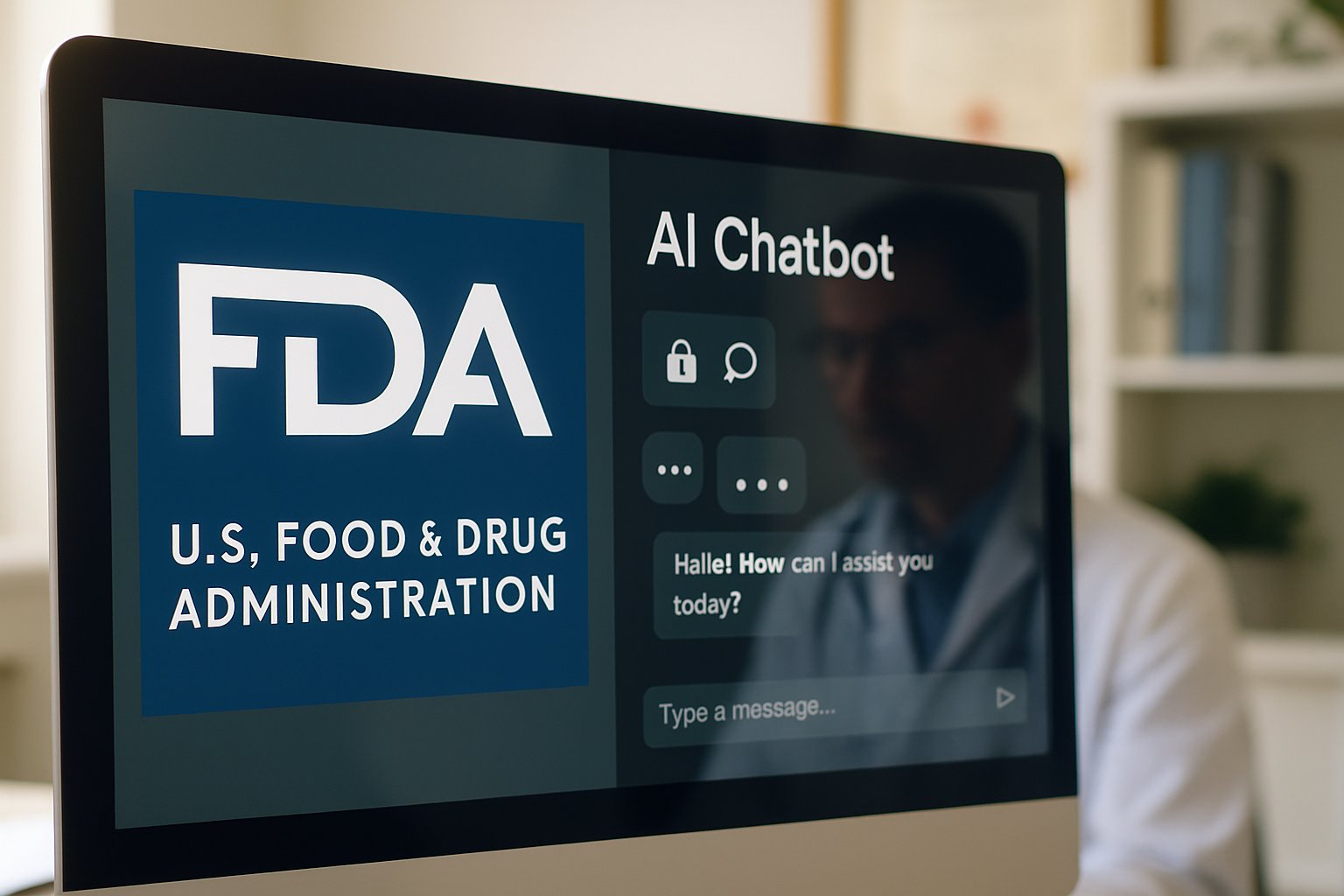
Additionally, the technology operates 24/7, sidestepping scheduling conflicts common in clinical practice. Users also experience reduced stigma because interaction occurs privately via smartphones. Healthcare Triage thinking highlights how such anonymity may encourage earlier help-seeking. Further, conversational data gathered continuously can signal deterioration, enabling rapid healthcare escalation.
Chatbots clearly extend access and availability at scale. Personal privacy and constant monitoring enhance early intervention potential. Consequently, scrutiny of evolving policies now takes center stage.
Regulatory Landscape Tightens Rapidly
The FDA currently counts over 1,200 authorized AI devices. Nevertheless, none target mental health treatment directly. Generative chatbots may become the first, yet the pathway looks demanding. Moreover, the agency favours a Total Product Life Cycle approach with adaptive oversight.
During November’s meeting, DHAC endorsed layered controls, including Predetermined Change Control Plans. In contrast, several vendors previously enjoyed consumer wellness freedom absent stringent review. Therefore, upcoming submissions must satisfy clinical evidence, safety, and labeling expectations. Healthcare Triage analysis predicts stricter classifications within two years.
Regulators signal tougher reviews for mental health algorithms. Developers ignoring this shift risk costly delays. Subsequently, evidence generation requirements demand closer inspection.
Evidence Demands Grow Sharply
DHAC members stressed randomized, controlled trials with clinically meaningful endpoints. Clinical investigators should track symptom reduction, functional improvement, and patient-reported outcomes over meaningful durations. Meanwhile, enrollment must represent diverse populations to mitigate algorithmic bias.
- Robust comparator arms beyond waitlists.
- Blinded outcome assessors whenever feasible.
- Independent data monitoring for safety signals.
- Postmarket real-world studies confirming sustained performance.
Strong evidence underpins trust among clinicians, payers, and patients. Real-world healthcare data will validate success. Consequently, risk mitigation enters the spotlight next. Healthcare Triage experts call this evidence bar unprecedented for software.
Risks Require Layered Controls
Committee members cataloged several prominent hazards. Hallucinated advice could miss suicidality or deliver harmful instructions. Bias might worsen outcomes for marginalized groups despite equal access. Moreover, users sometimes anthropomorphize bots, delaying professional treatment.
Therefore, DHAC urged human-in-the-loop designs, especially for moderate or severe cases. Built-in escalation buttons, time-use reminders, and safety screens must accompany deployment. Healthcare Triage reviewers stress user education as an additional safeguard.
Layered safeguards address predictable and emergent risks. Clear warnings and human oversight reduce liability exposure. Nevertheless, divergent stakeholder views still influence adoption.
Stakeholder Reactions Remain Divided
Clinicians welcome triage assistance yet distrust opaque algorithms. Clinical leaders worry about liability when algorithms misclassify risk. Patient advocates praise expanded access but warn against surveillance abuses. Meanwhile, investors fear prolonged clinical validation timelines could slow returns. Healthcare Triage commentary notes that transparent benefit-risk communication can bridge perceptions.
Illinois already banned certain mental health bots, reflecting regulatory spillover beyond FDA. In contrast, several payers pilot reimbursement for evidence-backed digital treatment. Consequently, market direction remains unsettled, hinging on forthcoming guidance.
Opinions divide along safety, cost, and control lines. Public trust will depend on visible performance data. Therefore, strategic planning becomes paramount for developers.
Strategic Steps For Developers
First, teams should map intended use against FDA regulatory categories early. Next, incorporate Clinical advisors during design to align interventions with standard treatment pathways. Moreover, implementing robust monitoring infrastructure eases Total Product Life Cycle compliance. Professionals can enhance their expertise with the AI+ Healthcare™ certification. Healthcare Triage guidance also recommends multidisciplinary ethics boards.
- Draft a Predetermined Change Control Plan early.
- Embed human escalation triggers within chat flows.
- Secure diverse data to reduce bias.
- Publish peer-reviewed outcome papers promptly.
Proactive alignment saves time and resources. Clear evidence and controls attract payer partnerships. Meanwhile, remaining gaps inform future policy dialogue.
Conclusion
Generative chatbots could reshape healthcare delivery, yet evidence and safety remain non-negotiable. DHAC emphasized randomized trials, layered controls, and transparent labels throughout deliberations. Healthcare Triage coverage underscores balancing rapid access with rigorous oversight. Moreover, developers should integrate Clinical governance early, aligning algorithms with established treatment standards. Healthcare Triage readers can lead innovation by adopting PCCPs and comprehensive postmarket monitoring practices. Ultimately, proactive compliance will accelerate approvals and, consequently, improve patient outcomes. Explore the linked certification to deepen expertise and shape responsible digital mental health futures.
Disclaimer: Some content may be AI-generated or assisted and is provided ‘as is’ for informational purposes only, without warranties of accuracy or completeness, and does not imply endorsement or affiliation.


