

AI CERTS
3 months ago
Micron Earnings Surge on AI Data Performance Momentum
Furthermore, we assess how tight supply and soaring demand may reshape the broader Memory landscape. Each section provides concise insights while adhering to strict readability rules. Therefore, readers gain actionable context for capital allocation and technical planning decisions. Let us examine the numbers behind Micron’s momentum and the signals for future quarters.
AI Data Performance Impact
Micron executives repeated one phrase throughout the call: AI Data Performance. Moreover, they stressed that generative workloads demand higher bandwidth and lower latency than legacy services. These technical requirements push customers toward HBM stacked components and advanced DRAM nodes. Consequently, Micron redirected fab capacity toward those premium segments.
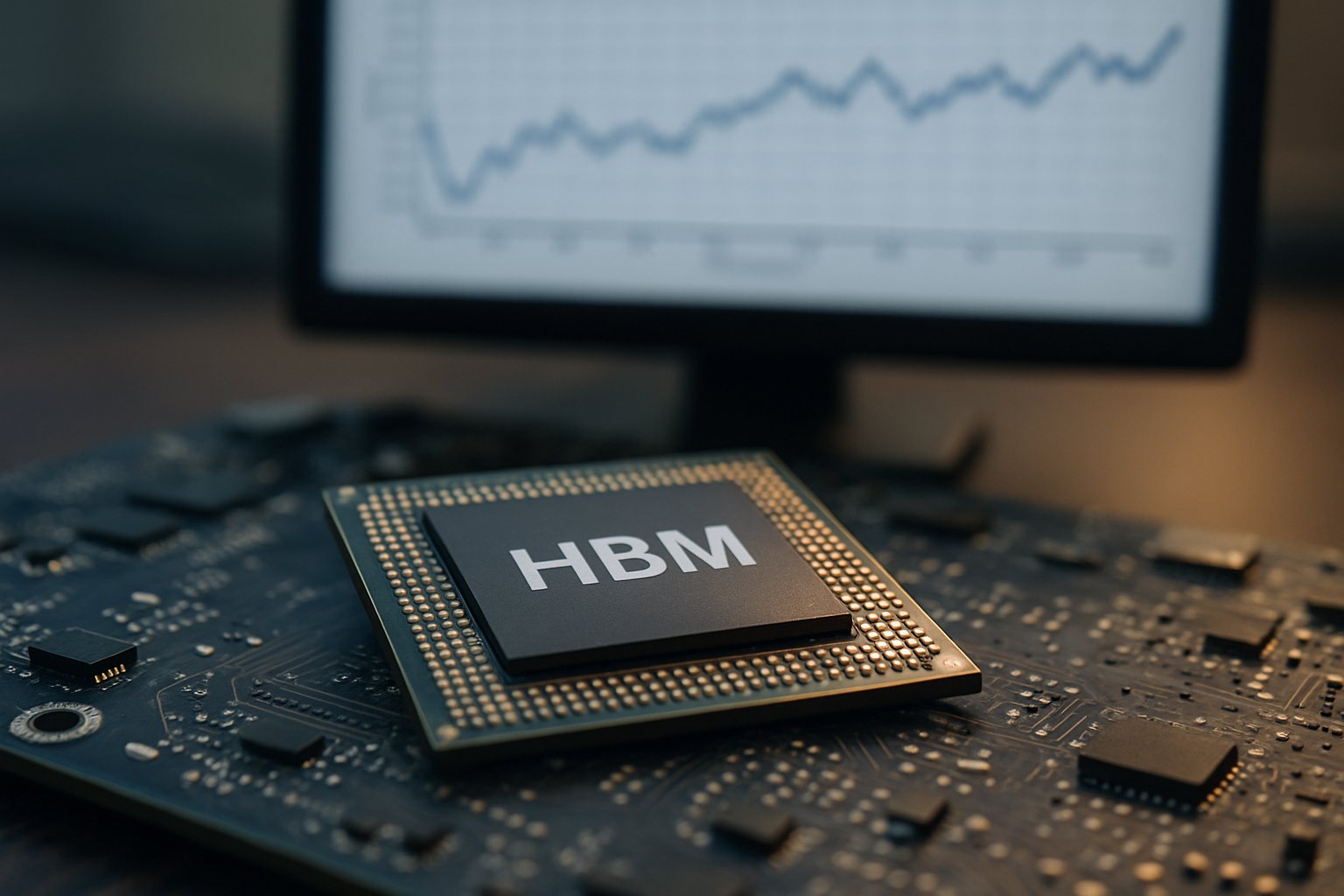
AI Data Performance also influences pricing power. In contrast, commodity smartphone demand remains volatile and price sensitive. Therefore, shifting mix toward data-center silicon raises average selling prices and margin profiles. Sanjay Mehrotra called Micron an "essential AI enabler" because of this differentiated positioning.
Analysts agree the pivot locks in multiyear contracts with cloud hyperscalers. Meanwhile, limited supply allows Micron to secure favorable terms through 2026. Subsequently, management believes AI Data Performance will drive sustainable double-digit bit growth across activities. That expectation underpins the upbeat guidance discussed next.
AI Data Performance now sits at the heart of Micron’s strategy. Consequently, the company must execute flawlessly to capture maximum upside in quarters ahead.
Micron Sets New Pace
Fiscal Q1 2026 blew past expectations on every major metric. Revenue reached $13.64 billion, up 57% year over year. GAAP net income hit $5.24 billion, delivering diluted EPS of $4.60. Non-GAAP EPS landed at $4.78, far above consensus.
Furthermore, key headline figures include:
- Revenue growth: 21% sequential, 57% YoY.
- Operating cash flow: $8.41 billion.
- Adjusted free cash flow: $3.906 billion.
- CapEx investments: ~$4.5 billion for the quarter.
Moreover, management guided FQ2 Revenue to $18.70 billion plus or minus $400 million. Non-GAAP EPS guidance of $8.42 stunned analysts who expected roughly $6.90. Additionally, gross margin is projected near 68%, reflecting strong pricing momentum.
Sell-side desks quickly reacted to the upside guide. Consequently, several firms raised price targets by 10% or more overnight. Mizuho cited AI Data Performance as the top driver of upward revisions. Meanwhile, UBS highlighted improving supply discipline among the three specialized DRAM vendors.
Market capitalization expanded roughly $16 billion within hours of the report. In contrast, semiconductor peers posted modest gains, underscoring Micron’s differentiated position. Deutsche Bank attributed relative strength to sustainable margin Acceleration rather than one-time pricing spikes.
Micron’s outsized Revenue and Earnings demonstrate operational execution at scale. However, these milestones invite new capacity challenges explored next.
Supply Constraints Shape Strategy
Demand for advanced nodes now exceeds Micron’s near-term manufacturing capacity. Therefore, management will prioritize high-value data-center orders over lower margin segments. This allocation choice means some hyperscalers may receive only two-thirds of requested volume during 2026. Nevertheless, limited supply underpins pricing strength across the entire Memory stack.
Sanjay Mehrotra disclosed that 2026 HBM volume is already fully contracted. Moreover, the stacked die trade ratio consumes multiple DRAM wafers, tightening broader supply. Consequently, Micron increased fiscal-2026 CapEx guidance to about $20 billion.
Supply discipline supports pricing yet amplifies customer allocation risks. In contrast, accelerated investment aims to resolve bottlenecks, as the next subsection explains.
HBM Drives Margin Gains
HBM devices command premium pricing due to stacked die complexity and scarce availability. Furthermore, each finished device uses more raw DRAM bits than standard modules. Therefore, every shipment delivers disproportionate Revenue while supporting gross margins near 70%.
Management forecasts the premium bandwidth segment reaching $100 billion by 2028, implying 40% CAGR. Additionally, tight supply allows Micron to negotiate multiyear take-or-pay contracts.
Margin gains depend on continued scarcity and technological leadership. However, expanding fabs appears essential, as discussed next.
CapEx Signals Bold Commitment
Micron plans to invest roughly $20 billion in fiscal 2026 capital expenditures. Moreover, the initiative targets Acceleration of 1-gamma DRAM and next-generation NAND timelines.
Management expects the spend to maintain technology cadence while alleviating supply shortages by late 2027. Nevertheless, front-loaded investment heightens execution risk if macro conditions soften.
Large CapEx commitments underscore Micron’s confidence in lasting AI Data Performance trends. Subsequently, investors will monitor ramp milestones and cost discipline closely.
Risks Remain Despite Tailwinds
Every memory upcycle eventually meets gravity. In contrast, unprecedented AI demand may extend the current phase yet cannot suspend cyclicality indefinitely. Competitors Samsung and SK Hynix are also expanding capacity, potentially easing scarcity by 2027. Consequently, pricing power could erode if inventory builds outpace data-center growth.
Customer concentration represents another concern because a handful of hyperscalers drive most volumes. Moreover, Micron acknowledged it might fulfill only 50-66% of certain orders during 2026. Such allocation gaps risk pushing customers toward alternative suppliers or in-house Memory solutions.
Finally, the $20 billion CapEx budget strains free cash flow if unit growth stalls. Nevertheless, strong AI Data Performance projections currently justify the aggressive blueprint.
Risks range from competitive supply responses to macro slowdowns. Therefore, continuous monitoring of demand indicators remains critical, which leads to actionable guidance below.
Market Outlook And Actions
TrendForce expects DRAM bit demand growth in the low-20% range during 2025. Meanwhile, Micron forecasts similar figures for 2026 yet cautions supply will stay tight. Analysts recommend selective positioning in suppliers showing durable AI Data Performance leadership.
Professionals can enhance their expertise with the AI Data Specialist™ certification.
Additionally, the curriculum covers advanced workload optimization, enabling teams to harness upcoming silicon architectures.
Staying informed and certified equips stakeholders to capture opportunities from the ongoing infrastructure buildout. Consequently, strategic education complements sound capital allocation.
Micron’s first fiscal quarter validated its pivot toward premium data-center silicon. Moreover, AI Data Performance demands emerged as the unifying theme across guidance, pricing, and capacity plans. Earnings and margin metrics shattered expectations, while strong free cash flow funded record CapEx. Nevertheless, cyclical risks and steep spending could challenge returns if supply normalizes quickly. Professionals should track production milestones, competitor expansions, and contract negotiations during 2026. For deeper expertise, explore the certification link and remain vigilant as the market evolves.


