

AI CERTS
3 months ago
Cloud Financing Shift: Blue Owl Exits Oracle Michigan Project
Consequently, analysts examined whether tougher lease terms are reshaping private equity appetite. In contrast, Oracle insisted an unnamed partner had already been chosen. Meanwhile, local leaders still expect ground-breaking in early 2026. The proposed Saline Township campus, nicknamed “The Barn,” would deliver one gigawatt of AI compute capacity. Additionally, developers tout 2,500 union construction roles and hundreds of permanent jobs. These high stakes explain the intense scrutiny. Therefore, understanding the shifting financing landscape is essential for technology executives and policy planners alike.
Michigan Project Shake-Up Details
Financial Times first reported that Blue Owl stepped away after lenders demanded stricter lease protections. Consequently, market watchers assumed the financing stack had fractured. Reuters subsequently quoted Oracle spokesperson Michael Egbert, who asserted negotiations stayed on schedule.
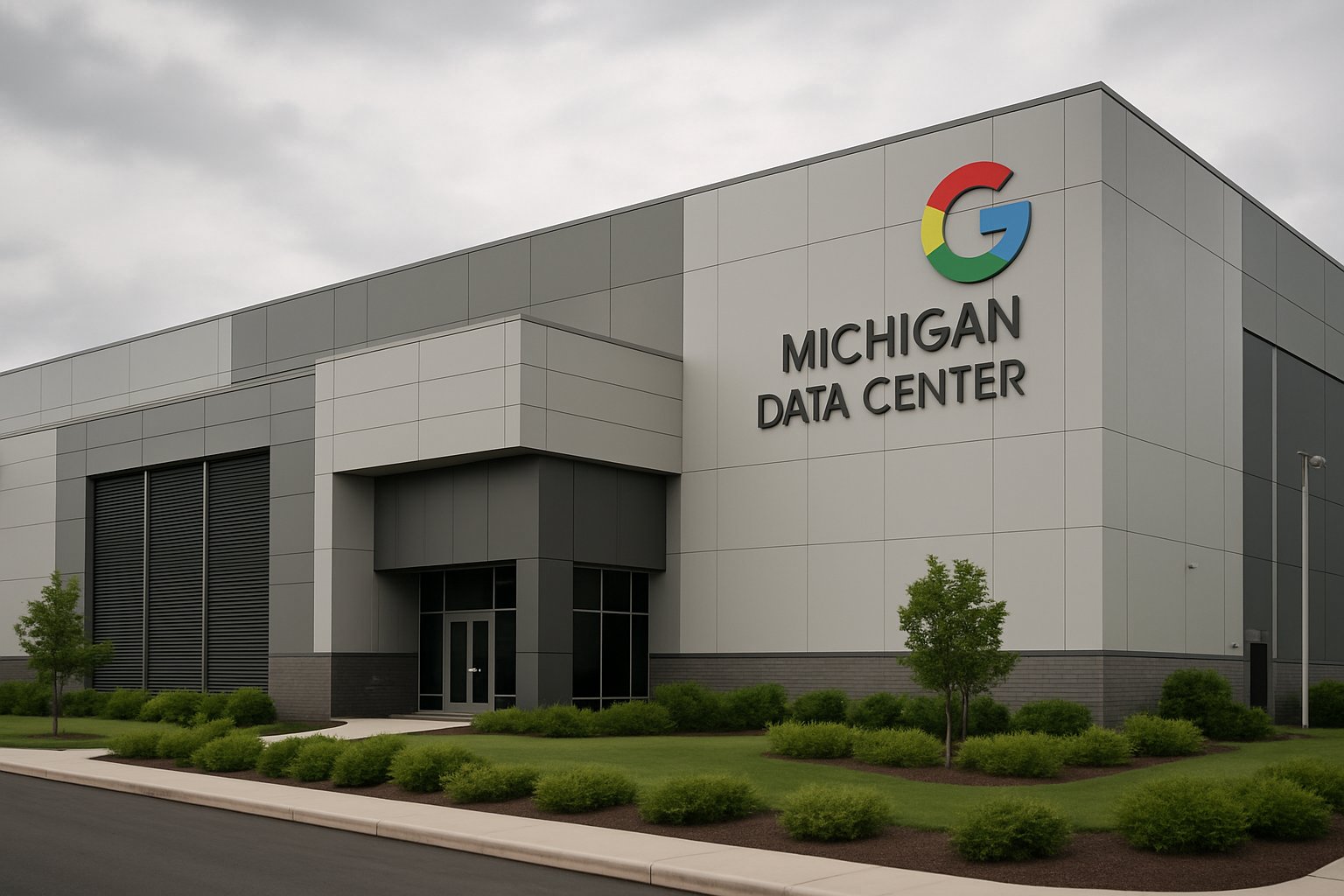
Related Digital echoed that stance, stating it “selected the best equity partner from a competitive group.” Nevertheless, the developer kept the new partner’s identity private. Blue Owl offered no public comment, leaving uncertainty.
The $10 billion project spans 250 acres and three buildings of 550,000 square feet each. Moreover, utility DTE Energy plans battery storage and closed-loop cooling to mute grid impact.
In summary, headlines implied turmoil, yet principals claim continuity. However, clarity over final equity names remains pending.
The broader financing structure underpins those claims, so the next section examines that model.
Financing Model Explained Simply
Hyperscale campuses rarely sit directly on a cloud provider’s balance sheet. Instead, developers create special purpose vehicles funded by private equity. Consequently, the SPV owns the facility and leases capacity back to the operator.
This structure typifies modern Cloud Financing, blending long-term leases with tax-efficient equity stakes. Moreover, rising interest rates compress returns, pushing investors to renegotiate terms.
Blue Owl previously financed multiple Oracle builds using that template. However, analysts suggest escalating Debt loads and larger lease backlogs have lowered margins.
SPVs often employ 60-40 debt-to-equity blends. Additionally, they issue private placement notes that mirror municipal bonds in tenor.
Understanding these mechanics clarifies why lenders possess leverage in negotiations. Therefore, investor sentiment becomes the next focal point.
Investor Sentiment Signals Shift
Oracle’s fiscal 2026 second-quarter results listed $523 billion of remaining performance obligations. Additionally, the company disclosed growing lease liabilities tied to rapid Infrastructure expansion.
Markets view those commitments as quasi-Debt that constrains future flexibility. Consequently, any perceived stumble in Cloud Financing magnifies risk assessments.
Blue Owl’s reported hesitation thus signaled potential repricing across the sector. In contrast, Oracle argued that competitive tension, not retreat, drove partner rotation.
Meanwhile, credit agencies monitor leverage ratios because multi-year leases resemble synthetic Debt obligations under new accounting standards. Consequently, rating outlooks can shift quickly.
In brief, sentiment remains cautious despite Oracle assurances. Moreover, local economic narratives attempt to counterbalance that caution.
The following section evaluates community impacts and concerns.
Local Economic Stakes Analyzed
State officials highlight 2,500 union construction jobs and 450 onsite roles once operations commence. Furthermore, another 1,500 indirect county jobs could emerge.
Saline Township leaders praise the Infrastructure investment, yet residents question water use and traffic volumes. Nevertheless, developers promise closed-loop cooling to reduce draw on municipal wells.
Local tax incentives hinge on project timelines, which depend on stable Cloud Financing commitments. Consequently, permit reviews track equity milestones closely.
Overall, economic hopes remain high, but environmental due diligence continues. Therefore, schedule certainty becomes paramount.
The next section outlines the project timeline and possible delays.
Timeline And Next Steps
Related Digital still targets an early 2026 construction start. Meanwhile, Walbridge prepares procurement schedules pending final equity documents.
Should Blue Owl’s departure require additional diligence, groundbreaking could slip. However, sources suggest Blackstone discussions advanced quickly, limiting delay risk.
Consequently, closing the Cloud Financing package by Q1 appears feasible, provided regulatory approvals align.
Regulators still must finalize environmental assessments. Additionally, township planners need detailed stormwater modeling before issuing full building permits.
To summarize, milestones remain ambitious yet plausible. Moreover, strategic lessons for the wider sector are already emerging.
The final section distills those lessons for decision-makers.
Strategic Cloud Financing Lessons
First, diversified equity pipelines reduce reliance on any single backer. Additionally, transparent Debt disclosures reassure wary lenders.
Second, aligning Infrastructure upgrades with renewable capacity attracts state support. Moreover, projects demonstrating sustainable Cloud Financing structures win faster approvals.
Third, contingency planning for rising capital costs should include floating-rate clauses within Cloud Financing agreements. Consequently, partners hedge interest volatility.
Professionals can enhance their expertise with the AI Cloud Architect™ certification, sharpening due-diligence and negotiation skills.
- Project cost: $10 billion
- Capacity: 1 GW across three buildings
- Site size: 250 acres
- Jobs: 2,500 construction, 450 onsite, 1,500 indirect
- Target groundbreaking: Q1 2026
Finally, cross-checking covenant headroom against projected AI workload growth prevents mid-term refinancing surprises. Consequently, sponsors avoid emergency capital calls.
These principles highlight adaptive funding strategies. Nevertheless, continuous monitoring of lender appetites remains essential.
The article now concludes with final insights for industry leaders.
Michigan’s “Barn” saga underscores shifting power dynamics between cloud operators and private capital. Consequently, deals now close only when Cloud Financing economics satisfy stricter covenants. Blue Owl’s caution, Oracle’s optimism, and community expectations reveal a delicate balance. Moreover, rising Debt burdens heighten investor vigilance. Infrastructure ambitions remain achievable, yet diversified capital channels appear vital. Therefore, executives must architect resilient Cloud Financing blueprints before announcing mega-campuses. Consequently, adopting scenario analysis within treasury teams strengthens project resilience. Moreover, early engagement with pension funds can diversify capital sources.


