

AI CERTS
4 months ago
Consumer Security Amid Festive Fraud Surge
Fortinet, the FBI, Action Fraud, and the ACCC each report alarming metrics. In contrast, many shoppers still prioritise convenience over caution, a trend the Mastercard survey confirms. Additionally, advanced criminal toolkits are cheaper than gift wrap. These combined dynamics create a perfect storm. Professionals focused on Consumer Security must prepare quickly.
Festive Holiday Fraud Threats
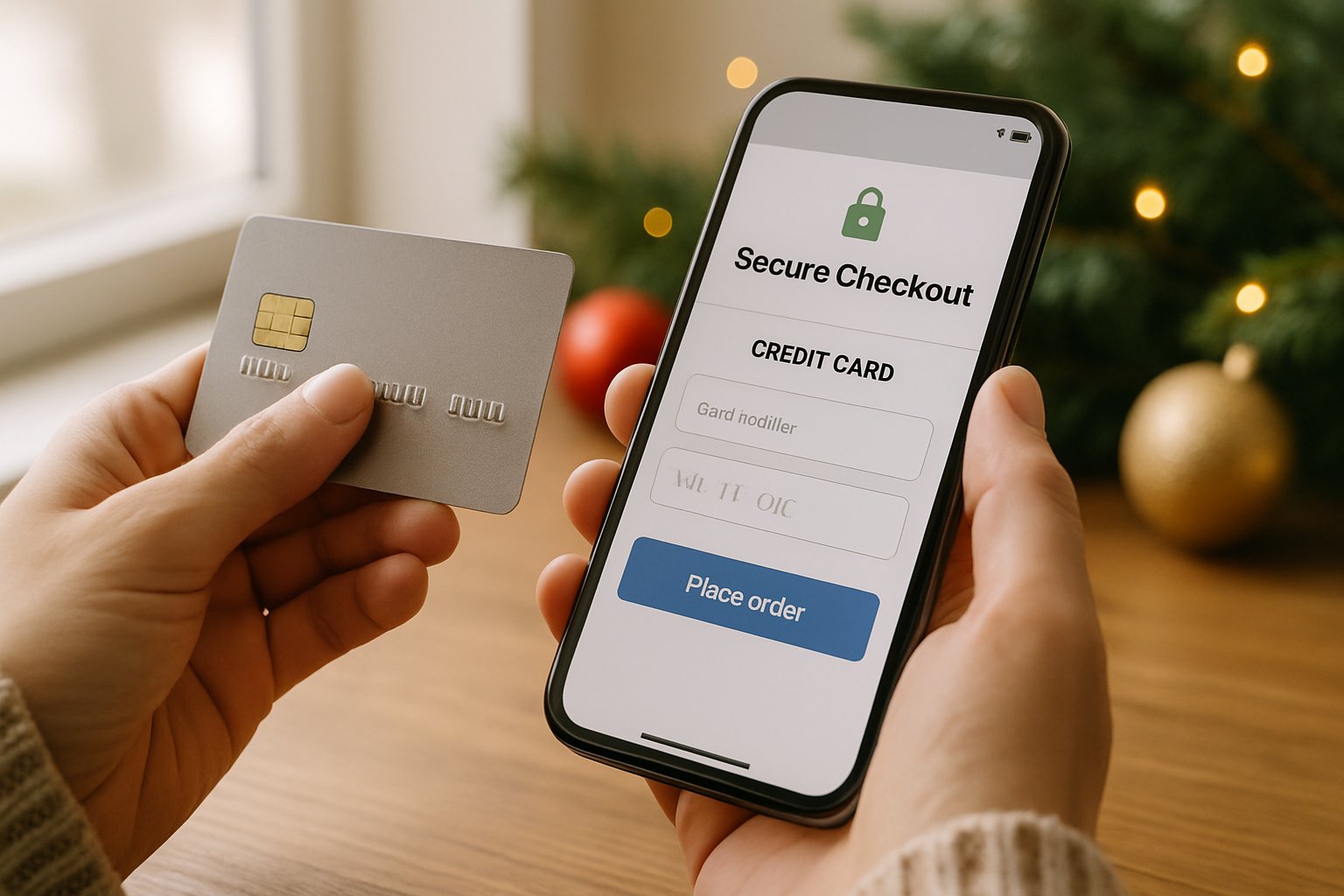
Researchers counted more than 18,000 holiday-themed domains in only three months. Furthermore, 750 of those proved malicious. The FBI’s 2024 data shows non-delivery and non-payment scams costing $785 million. Action Fraud recorded £16 million lost during the last Christmas window. Meanwhile, ACCC complaints against ghost stores exceeded 700 in 2025 alone.
Attackers time each wave to key sales days—Black Friday, Cyber Monday, and Christmas Eve. Consequently, pressure shopping amplifies risk because urgency clouds judgment. Fortinet stresses that criminals “move faster, automate more” during these windows. Consumer Security teams should therefore expect spikes in alerts.
These numbers highlight the seasonal danger. However, deeper inspection of infrastructure reveals even broader exposure.
Domain Surge Data Insights
Domain registrars witness a yearly tidal wave of suspicious registrations. FortiRecon flagged 19,000 e-commerce-style domains, with 2,900 confirmed malicious. Moreover, analysts observed 1.57 million stolen login credentials traded in underground markets. Consequently, attackers can bypass passwords and launch account takeover attacks with ease.
Magecart skimming scripts also reappear on poorly patched carts. Additionally, PhaaS vendors advertise holiday discounts on turnkey kits. Phishing links now redirect through QR codes, producing fresh “quishing” vectors. Consumer Security monitoring must therefore expand beyond email gateways.
These data points confirm industrialised infrastructure. The next section shows how criminals weaponise it through ghost stores.
Ghost Stores Explode Online
Ghost stores impersonate local retailers using AI-generated product pages. ACCC Deputy Chair Catriona Lowe notes their increasing sophistication. Furthermore, social-media ads funnel victims toward cloned checkouts accepting only debit or gift cards. Subsequently, purchasers either receive counterfeit goods or nothing at all.
Investigations reveal these sites vanish within weeks, resurfacing under new domains. Meanwhile, refund routes rarely exist. Consequently, victims scramble for bank chargebacks and police reports. Action Fraud urges UK residents to forward suspicious links to report@phishing.gov.uk. Consumer Security specialists should watch social-ad telemetry and sudden traffic spikes pointing to unfamiliar domains.
Ghost stores demonstrate fraud’s agility. However, phishing kits evolve just as quickly.
Phishing Kits Rapid Evolution
Phishing kits today bundle hosting, design templates, and even ad-buy automation. Moreover, criminals exploit generative AI to localise language instantly. Researchers observe kits sold as cheap as $50 on Telegram. Consequently, low-skill actors can launch high-volume campaigns targeting Online Shopping accounts.
Credential-stealing malware feeds stealer logs into the same economy. Additionally, stolen session cookies allow seamless checkout without triggering multifactor prompts. Therefore, Consumer Security policies must mandate session monitoring, not only password resets.
Kit commoditisation lowers entry barriers. The following section explains why human behaviour magnifies the threat.
Consumer Behavior Risk Factors
The Mastercard survey paints a worrying picture. Roughly 46% of shoppers ignore obvious red flags for discounts above 50%. Furthermore, 66% buy from unfamiliar websites during the Festive Season. Consequently, emotional drivers overpower technical warnings.
Fatigue also plays a role. After countless promotional emails, many users click instinctively. In contrast, criminals meticulously craft messages that avoid spelling errors, making detection harder. Action Fraud’s #FraudFreeXmas campaign therefore stresses slowing down before paying.
These behavioural gaps create exploitable openings. However, practical defensive actions can still reduce exposure.
Defensive Actions For Shoppers
Security leaders recommend layered controls alongside public education:
- Enable multifactor authentication on all Online Shopping accounts.
- Use credit cards that support chargebacks, never wire transfers.
- Verify seller contact details and physical addresses.
- Forward suspicious emails to phishing hotlines instantly.
- Monitor statements daily throughout the Festive Season.
Moreover, professionals can enhance their expertise with the AI Ethical Hacker certification. Consequently, teams gain skills to audit e-commerce stacks and locate Magecart scripts quickly. Consumer Security frameworks should integrate such continuous training.
These steps close many gaps. Yet forward-looking strategies remain vital as tactics evolve.
Future Outlook And Strategies
Experts anticipate even greater automation next year. Moreover, fraudsters will leverage large language models to create hyper-personalised lures. Consequently, defensive AI must match attacker speed. Fortinet recommends real-time domain intelligence sharing among retailers, banks, and ISPs.
Regulators also prepare stronger platform accountability rules. Meanwhile, Meta and Shopify claim improved detection models, though efficacy data remains scarce. Industry coalitions could standardise takedown metrics, boosting transparency. Therefore, Consumer Security governance should include vendor due diligence clauses.
These proposed measures signal progress. Nevertheless, holiday shoppers must stay vigilant until systemic improvements mature.
Key Takeaways Recap
• Seasonal domain surges fuel massive Fraud campaigns.
• Ghost stores and Phishing kits exploit shopper urgency.
• Behavioural lapses heighten Online Shopping risk.
• Layered defences and training strengthen Consumer Security.
Stronger collaboration now shapes safer holidays tomorrow.
Consequently, the path forward blends technology, regulation, and awareness.
Conclusion And Call-To-Action
Holiday bargains will always attract shoppers and criminals alike. Nevertheless, data-driven vigilance can keep wallets safe. Moreover, robust controls, informed consumers, and certified professionals form a resilient trio. Therefore, prioritise Consumer Security in every checkout flow this Festive Season. Explore advanced skills through the linked certification and safeguard customer trust year-round.


