

AI CERTS
3 months ago
Federal Preemption Clash Over New AI Order
Central to the debate is Federal Preemption, the constitutional doctrine allowing federal authority to override conflicting state measures. However, an executive order alone cannot create statutory supremacy. Therefore, the administration plans litigation, funding leverage, and new regulatory standards to advance its goals. Meanwhile, states prepare for an immediate court fight.
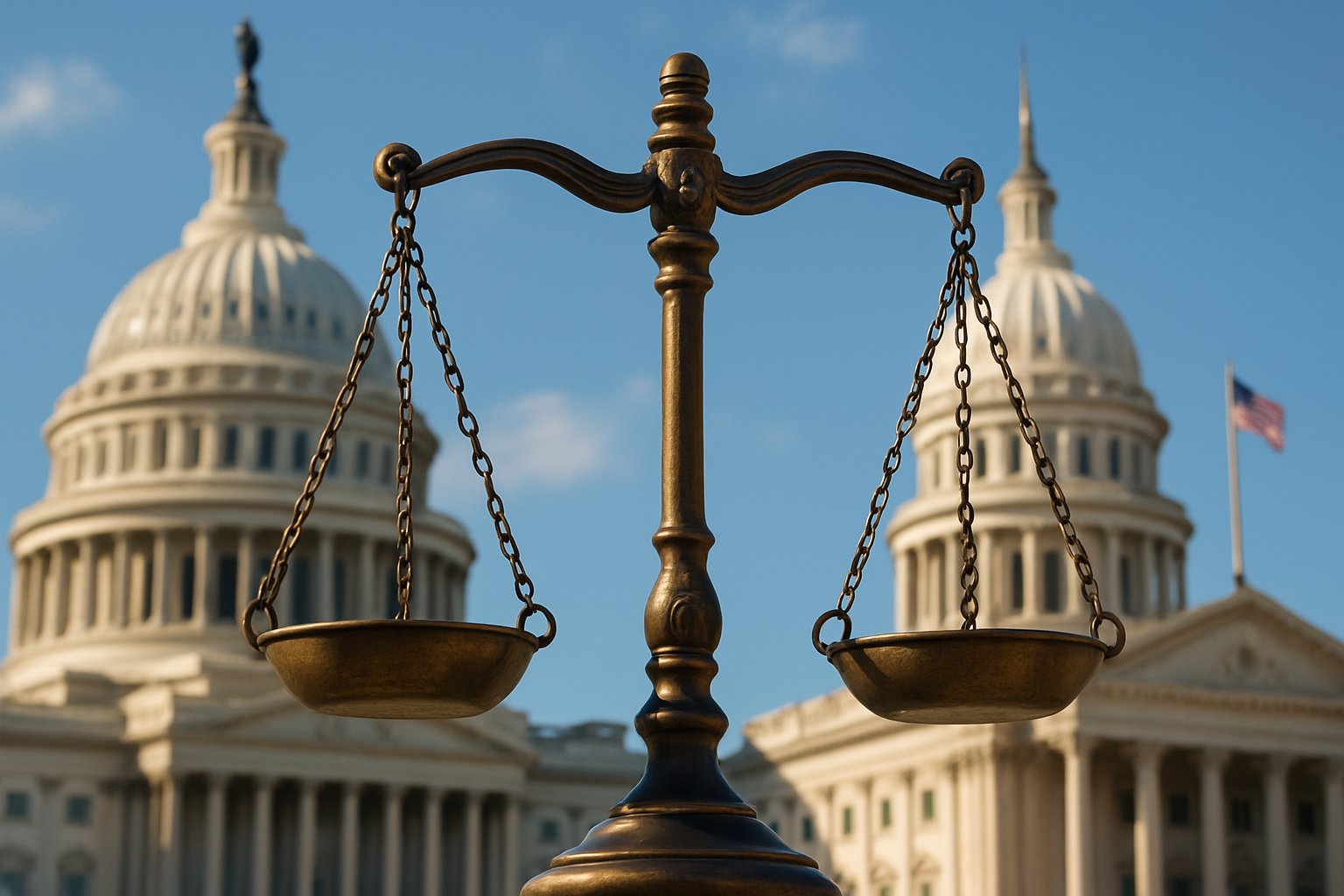
This article unpacks the order's mechanics, the planned DOJ Task Force, and potential industry and public impacts. Readers will gain a clear view of looming legal battles and political stakes.
Executive Order Overview Today
The Executive Order outlines multiple instruments designed to limit certain State Laws viewed as burdensome by the administration. Commerce, the FCC, and the FTC must craft unified standards within defined windows of 30 to 90 days.
- DOJ Task Force formation within 30 days;
- Commerce review identifying Algorithmic Discrimination statutes;
- Guidance tying BEAD funds to compliant Policy frameworks;
- Potential FCC disclosure standard overriding state requirements.
Importantly, agencies must publish progress reports every quarter under the order. Together, these levers seek accelerated Federal Preemption through agency action rather than waiting for Congress. The strategy centralizes AI governance nationally. However, each lever faces immediate political and legal scrutiny. Consequently, attention shifts to how agencies will operationalize the tools.
Key Federal Leverage Points
At the heart of enforcement sits the DOJ Task Force, expected to challenge select State Laws in federal courts. Moreover, Commerce can withhold remaining BEAD broadband funds from jurisdictions refusing the administration's preferred Policy direction. The FCC may publish a nationwide disclosure rule that would effectively nullify conflicting Algorithmic transparency mandates.
Meanwhile, the FTC plans a Section 5 statement clarifying when state mandates create deceptive conflicts warranting Federal challenge. Additionally, the Office of Management and Budget will coordinate interagency timelines for public comment. Each measure harnesses existing statutes yet pushes their boundaries. Nevertheless, opponents argue that Federal Preemption must come from Congress, not agencies. The administration, however, insists uniformity justifies aggressive tactics.
State Resistance Builds Quickly
Bipartisan coalitions of attorneys general immediately condemned the order, calling funding threats coercive. Colorado and New York promised lawsuits once the DOJ Task Force files its first complaint. In contrast, industry groups applauded a single framework, arguing that Algorithmic compliance costs hinder startups under divergent rules.
Civil liberties advocates counter that blank preemption could erode emerging protections against Discrimination, deepfakes, and biased hiring tools. Governors from coastal and heartland states held joint calls to discuss unified legal strategy. Early posturing shows entrenched camps preparing lengthy litigation. Therefore, courts will likely become the primary battleground for Federal Preemption debates. Legal theories guiding those clashes appear complex and untested.
Legal Theories In Play
The administration cites dormant commerce clause principles to argue certain State Laws burden interstate trade. Additionally, officials claim existing telecom and consumer protection statutes implicitly authorize unified rulemaking that overrides states. Nevertheless, experts note courts rarely grant sweeping Federal Preemption without explicit congressional language.
Relying on BEAD grants raises separate constitutional concerns over the spending clause limits and the coercion doctrine. Few precedents exist for invoking broadband grants to influence unrelated regulatory domains. Consequently, success may hinge on narrow, fact-specific challenges rather than broad ideological claims. Analysts therefore predict fragmented outcomes across different circuits. Such uncertainty complicates business planning despite the pursuit of clarity through Federal Preemption. Political dynamics around funding intensify those complexities.
Political Stakes And Funding
Tying broadband dollars to AI compliance places rural connectivity projects at immediate risk. Moreover, several Republican governors denounced the maneuver, warning it undercuts constituents and contradicts small-government Policy ideals. Conversely, tech lobbying groups argue that conditional funding accelerates convergence and reduces Algorithmic compliance confusion.
Subsequently, Congress faces dueling letters demanding either stronger Federal Preemption or absolute state autonomy. Rural internet cooperatives warn project delays could stretch timelines by several years. Funding leverage has elevated the debate from legal abstraction to hometown infrastructure. Consequently, bipartisan backlash could narrow the administration's negotiating room. Industry and citizens alike now weigh direct impacts on daily services.
Industry And Public Impact
Uniform rules could let national startups scale faster, avoiding fifty separate technical audits. However, erasing pioneering State Laws might strip residents of anti Discrimination protections in credit, housing, and employment. Consumers also fear weaker transparency when proprietary models remain untested by diverse jurisdictions.
Professionals can enhance their expertise with the AI+ UX Designer™ certification. Small businesses fear audit costs could grow if uncertainty lingers. Stakeholders thus confront a trade-off between speed and protection. Nevertheless, understanding Federal Preemption outcomes will shape long-term investment and trust. Upcoming deadlines therefore matter across supply chains and communities.
Forthcoming Steps And Timelines
Within 30 days, the DOJ Task Force must announce membership and first litigation targets. Commerce will simultaneously release its catalogue of Algorithmic Discrimination statutes deemed onerous. Moreover, agencies intend to propose draft Policy guidance by early spring 2026. Meanwhile, the FTC and FCC must consult each other to avoid overlapping guidance.
Federal Preemption Flashpoints Ahead
Courts could issue preliminary injunctions within weeks, potentially blocking BEAD funding conditions. In contrast, a favorable ruling would embolden further challenges against State Laws. Key milestones cluster in early 2026, keeping legal teams on alert. Therefore, monitoring docket filings and agency notices remains critical for assessing Federal Preemption momentum. A clear pattern should emerge by midyear.
Ultimately, the coming months will determine whether the Executive Order secures enduring Federal Preemption or stalls amid court setbacks. Consequently, businesses should track Task Force moves, grant conditions, and draft Policy notices as they appear. Meanwhile, states will refine defensive arguments around the dormant commerce clause and spending limits. Consequently, academic centers plan symposia to dissect emerging opinions across jurisdictions.
Professionals seeking an edge can deepen AI design skills through the linked certification and stay ready for rapid changes. Act now to upskill and follow our updates as the national AI landscape evolves.


