

AI CERTS
3 months ago
Forbes Nod to DaVinci Signals Industrial Automation Momentum
Consequently, executives must sift hype from reality while steering digital plants toward measurable Excellence. This article unpacks the recognition, market trends, risks, and Integration strategies behind the headline. It provides data, expert viewpoints, and practical steps for teams leading factory digitization. Meanwhile, we highlight certification paths that upskill professionals for upcoming demands. Let us examine how these forces converge on the factory floor today.
Recognition Fuels Market Growth
DaVinci captured media attention after joining Forbes India’s DGEMS 2025 Select 200. Moreover, the program honors firms driving smart Manufacturing momentum across Asia and beyond. Analysts view such lists as helpful early indicators, yet they caution against equating publicity with verified success. Nevertheless, visibility can accelerate partnerships, funding, and pilot projects.
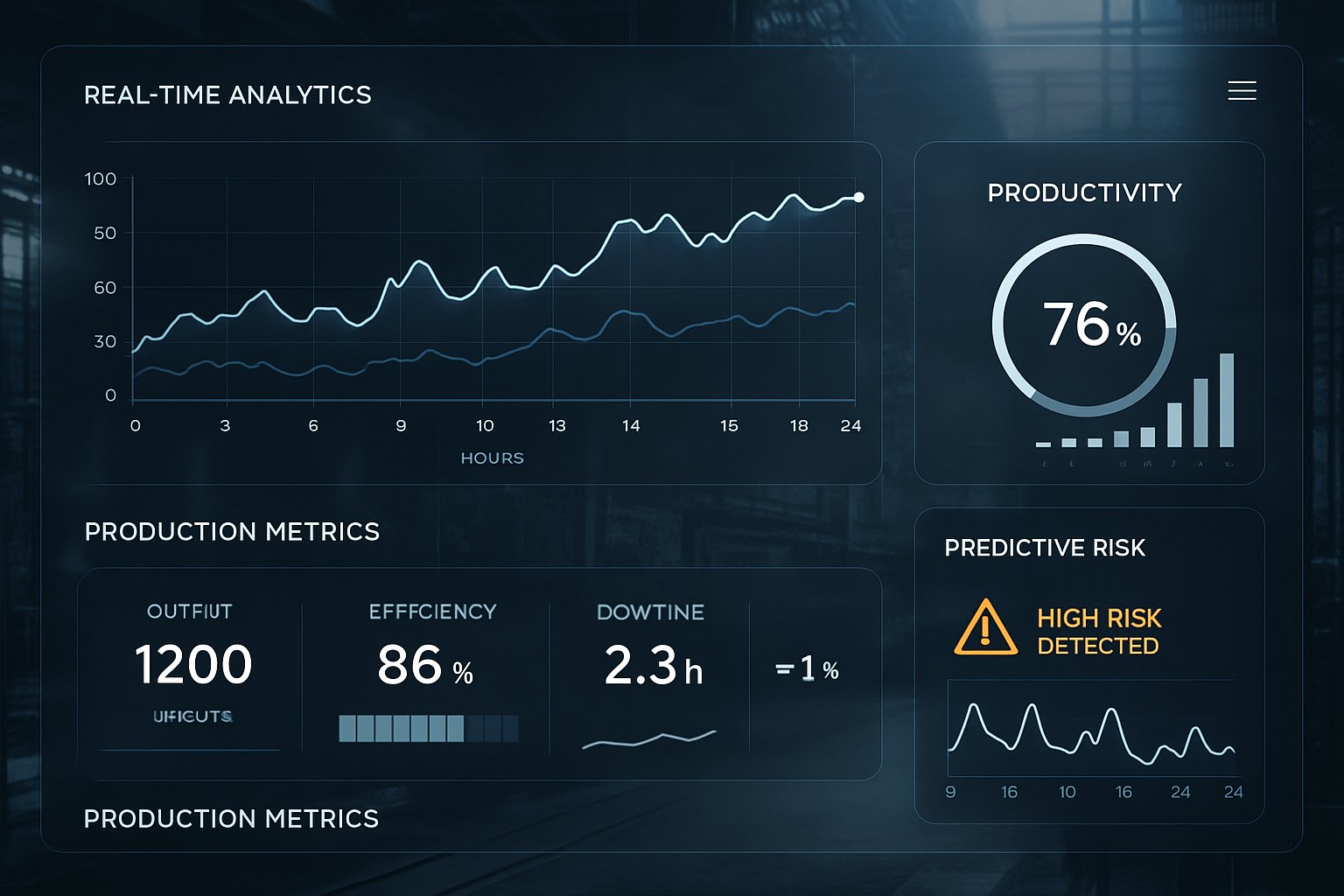
Grand View Research estimates the AI in Manufacturing market could hit 47.9 billion dollars by 2030. In contrast, wider Industrial Automation spend will approach hundreds of billions under several forecasts. Therefore, recognition days before budget cycles close may influence procurement calendars. Subsequently, vendors in this space benefit from boardroom validation when pitching Ignis AI.
DGEMS status raises credibility yet requires operational proof. However, proof depends on rigorous metrics, a theme explored next.
Smart Factory Value Drivers
Manufacturers pursue several quantifiable gains from Industrial Automation, according to McKinsey research. These include higher throughput, fewer defects, and reduced energy consumption. Additionally, predictive maintenance lowers costly downtime by using machine data rather than manual schedules. DaVinci claims its platform delivers 20–30 percent downtime reductions.
- Rockwell survey: 53% plants piloting AI on shop floors.
- Deloitte: 92% executives call smart Manufacturing central to competitiveness.
- Grand View: 46.5% CAGR for AI in factories through 2030.
- Vendor claims: 15–35% throughput boosts are possible.
Furthermore, IIoT sensors feed real-time models that optimize heat profiles within Ignis AI. Generative AI copilots also draft dynamic work instructions, trimming changeover times. Consequently, combined gains reinforce business cases.
Value creation depends on data fidelity and process maturity. Next, we detail the risks that threaten Integration success.
Operational Risks And Gaps
Rapid deployments expose factories to new cyberattack surfaces. Moreover, surveys show many teams lack automated controls for sensitive model inputs. In contrast, Industrial Automation traditionally isolated operational technology networks. Opening those networks for cloud analytics introduces governance complexity.
Deloitte reports leadership buy-in often stalls after pilot phases. Subsequently, pilots languish without cross-functional Integration and change management. Nevertheless, human-in-the-loop processes mitigate algorithmic drift and build trust. Security experts recommend continuous monitoring, zero-trust segmentation, and strict data lineage.
Risks span technology, talent, and policy domains. The following section explores how architecture choices address these hurdles.
Technology Stack And Integration
Successful rollouts balance edge inference with cloud orchestration. DaVinci positions Ignis AI as a zero-latency edge engine tied to a cloud MES. Meanwhile, IIoT gateways stream vibration, acoustic, and thermal data into lightweight models. Standard OPC UA adapters simplify Industrial Automation data extraction.
Moreover, open APIs allow fast Integration with ERP and quality systems. Professionals can enhance their expertise with the AI Architect™ certification. Consequently, certified staff bridge OT and IT silos. Dockerized deployments enable rapid version rollbacks, reducing downtime risk.
Architecture choices influence scalability and governance. Next, we compare DaVinci with competing solution providers.
Competitive Landscape Snapshot 2025
Incumbents like Siemens, Rockwell, and ABB embed AI into established control systems. Therefore, buyers evaluate whether startups offer differentiated value or niche features. DaVinci focuses on furnace optimization, while AVEVA excels in digital twin visualization. In contrast, cloud hyperscalers commoditize infrastructure, shifting competition toward application depth.
- Domain expertise and vertical algorithms
- Ecosystem partnerships for rapid Integration
- Cybersecurity certifications and track records
- Total cost of ownership over plant lifecycle
Moreover, Gartner’s MES Magic Quadrant shows market movement toward converged platforms. Consequently, vendor lock-in concerns drive preference for modular architectures.
Competition accelerates innovation and pricing pressure. However, human capital remains pivotal, as our next section explains.
Workforce Skills And Excellence
Automation does not erase jobs; rather, it elevates roles toward analytical decision making. Deloitte notes firms maintaining or growing headcount during AI adoption phases. Additionally, Excellence programs align upskilling with continuous improvement goals. Manufacturing technicians learn to interpret model outputs and adjust parameters proactively.
Nevertheless, talent shortages persist, especially in cybersecurity and data engineering. Therefore, structured learning paths and micro-credentials close capability gaps. The vendor offers workshops covering Ignis AI configuration and IIoT data mapping. Furthermore, cross-disciplinary teams accelerate Integration of new algorithms into standard operating procedures.
People remain the cornerstone of sustained Excellence. Finally, we look toward future adoption scenarios.
Future Outlook And Action
Market signals indicate continued double-digit growth for Industrial Automation solutions. Moreover, generative copilots may soon guide autonomous production scheduling. Consequently, security frameworks must mature in parallel.
Boards should demand verified ROI data before scaling pilots. In contrast, waiting too long risks competitive erosion. Manufacturing leaders can balance speed and rigor through phased roadmaps.
Industry consensus favors data governance, modular architectures, and steady workforce development. These priorities set the stage for our closing recommendations.
Conclusion And Next Steps
Industrial Automation momentum hinges on data quality, secure connectivity, and skilled people. Moreover, continuous benchmarking lets teams prove Industrial Automation return on investment across sites. Manufacturers that link Industrial Automation projects to strategic KPIs outperform reactive competitors. Consequently, directing capital toward scalable Industrial Automation platforms delivers compounding operational gains. Meanwhile, professionals should deepen AI architecture knowledge to lead these initiatives confidently. Therefore, consider earning the previously mentioned AI Architect™ credential to validate cloud, edge, and security fluency. Act now, review your roadmap, and position your factory for resilient growth.


