

AI CERTS
3 months ago
OpenAI Strategy Shift: Inside Altman’s Code Red
Altman wrote, “We are at a critical time for ChatGPT,” according to The Information. Consequently, side projects from ads to health agents are on hold. The radical pivot underscores the OpenAI Strategy Shift that analysts have long debated.
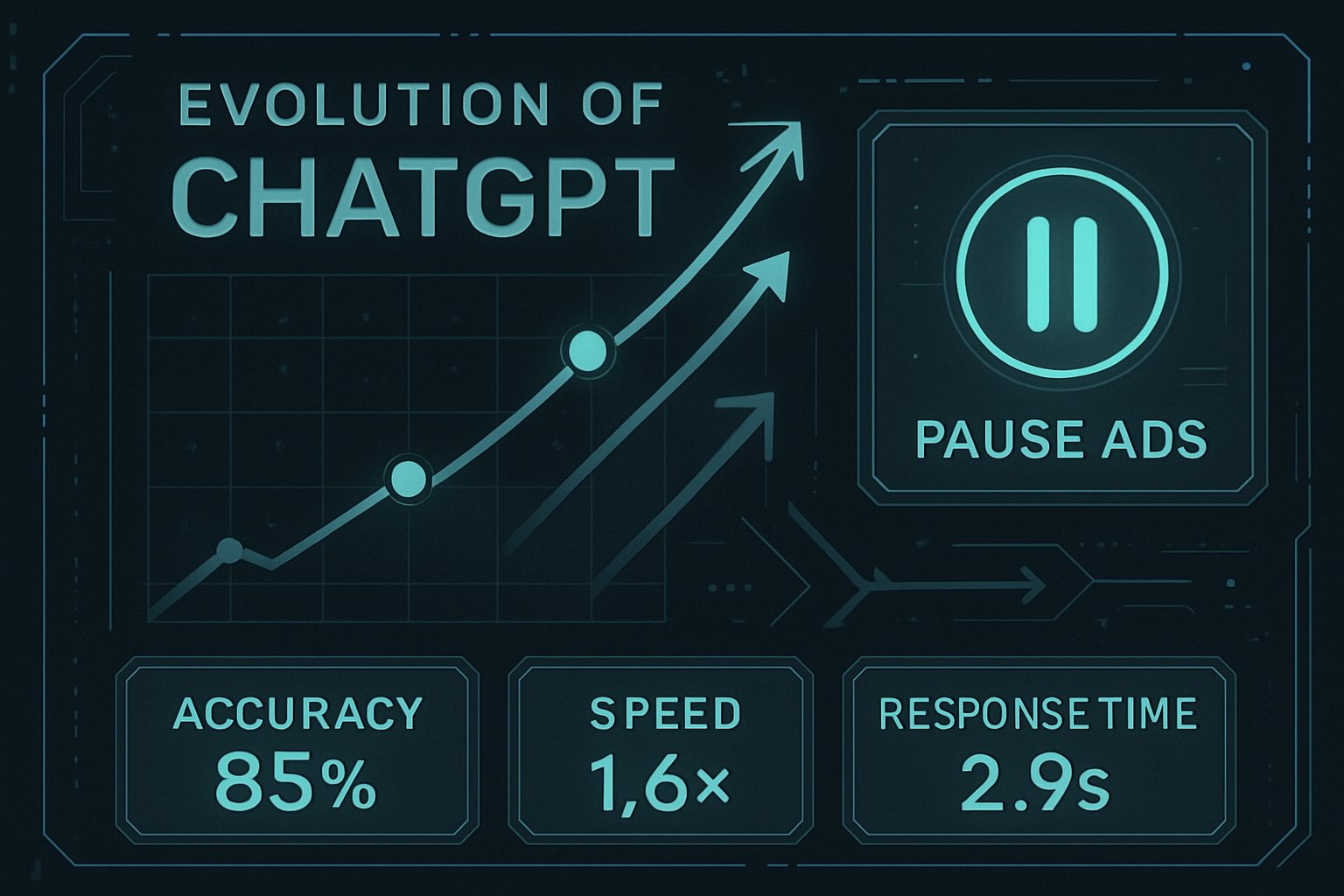
Furthermore, it arrives days after Google’s Gemini 3 dazzled early adopters. Industry veterans see echoes of classic crisis management playbooks in Altman’s urgency. Nevertheless, investors will judge success by user retention and future revenue traction.
Altman’s Urgent Code Red
Altman’s memo, first reported by The Information, frames the escalation in stark terms. In it he orders daily cross-team stand-ups and immediate resource reallocation. Furthermore, he pauses advertising, health agents and the Pulse assistant. The OpenAI Strategy Shift demands that staff optimize baseline ChatGPT performance before anything else.
Consequently, specialized research groups will temporarily embed inside product squads. Engineers must file progress updates every 24 hours, a cadence unheard of since GPT-4 launch. Meanwhile, product managers are tasked with explicit measurable goals for latency, refusal rates and image quality. These directives signal classic crisis management tactics rather than incremental tweaks. Analysts argue the OpenAI Strategy Shift mirrors wartime product sprints seen at Facebook and Google.
These challenges highlight critical gaps. However, emerging competitive moves set the stage for deeper analysis.
Competition Intensifies After Gemini
Google’s Gemini 3 launched in November and quickly set new benchmark records. Moreover, Salesforce CEO Marc Benioff publicly declared he was abandoning ChatGPT for Gemini. His praise ignited fresh competition across the enterprise customer base. In contrast, OpenAI still claims 800 million weekly users, outpacing Gemini’s 650 million monthly tally.
However, usage share can shift fast when product gaps remain visible. Analysts link the OpenAI Strategy Shift directly to this external competition surge. Furthermore, DeepMind’s Nano Banana Pro image model raises the bar for multimodal innovation. These dynamics explain why leadership felt justified in declaring code red and refocusing resources.
Competition threatens mindshare and revenue alike. Consequently, OpenAI must tighten operational focus before rivals widen the gap.
Operational Priorities Now Shift
Altman directed teams to concentrate on five core metrics. Firstly, latency must drop below one second for standard prompts. Secondly, refusal rates must fall without eroding safety guardrails. Additionally, personalization pipelines will expand to surface context for every returning user.
- Latency under one second
- Lower refusal rates
- Enhanced personalization layers
- Improved image generation
- Consistent model behavior
Image generation quality gets a dedicated sprint, mirroring breakthroughs seen in Nano Banana Pro. Moreover, a new reasoning model is scheduled for release within weeks. The OpenAI Strategy Shift reallocates research scientists into these production squads for rapid iteration. Meanwhile, leadership will track daily dashboards to evaluate success.
Such tight loops reflect disciplined crisis management rather than research exploration. These priorities aim to ship visible gains before January earnings discussions. Operational clarity can improve morale and output. However, deprioritizing longer-term innovation may carry future costs. Consequently, stakeholders will judge whether the OpenAI Strategy Shift delivers quick wins without stalling research.
Revenue Expansion Plans Paused
Pausing advertising removes a near-term monetization pillar. Therefore, OpenAI continues to rely on subscriptions, enterprise licensing and Microsoft credits. Reuters Breakingviews warns the move may unsettle investors expecting faster cash generation. Moreover, infrastructure costs keep climbing as user numbers grow.
Nick Turley claims ChatGPT handles 10% of global search activity, yet revenue lags that scale. In contrast, Google monetizes Gemini traffic through established advertising networks. The OpenAI Strategy Shift postpones diversification until core performance concerns resolve. Consequently, finance teams face intensified pressure to control spend during the surge.
These realities raise questions about crisis management discipline versus growth ambitions. Delayed ads buy engineering time at the expense of income. Nevertheless, protecting users may safeguard long-term brand equity before renewed innovation resumes.
Market Reactions Rapidly Vary
Investors offered mixed signals after the news broke. OpenAI’s secondary-market valuation stayed near $500 billion, according to FT sources. However, some funds trimmed exposure, citing mounting competition risks. Meanwhile, developers welcomed the focus on speed and reliability.
Enterprise customers echoed that sentiment in community forums. Marc Benioff’s viral Gemini endorsement still looms large in procurement conversations. Consequently, the OpenAI Strategy Shift must deliver perceptible gains to counter his critique. Reuters quoted analysts warning that constant “code red” messaging can desensitize staff over time.
Nevertheless, others framed the memo as a healthy urgency signal. These divergent takes illustrate the information vacuum surrounding internal KPIs. Perception hinges on timely product wins. Therefore, execution speed will decide whether sentiment swings positive.
Strategic Outlook Moving Ahead
Altman’s leadership team now faces a delicate balancing act. Innovation must continue even while immediate fires are extinguished. However, the OpenAI Strategy Shift concentrates resources, leaving fewer engineers on speculative research.
Google will keep integrating Gemini into every surface, intensifying competition on distribution. Moreover, Anthropic’s Claude Opus update targets enterprise contracts where reliability matters most. Regulatory attention also grows as generative models penetrate health and finance workflows.
Consequently, proactive crisis management frameworks may become permanent fixtures inside OpenAI. Meanwhile, the original memo set a 60-day timeline, suggesting leadership expects quick measurable wins. Professionals can deepen their understanding through the AI Foundation™ certification. These programs build strategic thinking essential for navigating future AI turbulence.
OpenAI’s next earnings call will reveal early outcomes. Therefore, observers will soon learn if the OpenAI Strategy Shift met its ambitious targets.
Final Thoughts
Altman’s code red underscores how quickly AI leadership can shift. Moreover, competitive breakthroughs can trigger rapid organizational overhauls. OpenAI paused monetization, concentrated its engineers, and promised faster, smarter outputs. However, investors still expect revenue growth and sustained innovation.
Success depends on meeting the new performance metrics before users wander. Consequently, the coming weeks will test both technical stamina and management discipline. Meanwhile, professionals tracking the sector can prepare through advanced certifications. Explore the linked AI Foundation™ path to strengthen decision-making in this volatile field.


