

AI CERTS
5 months ago
OpenAI’s Monetization Strategy Pause Reshapes Ad Ambitions
Meanwhile, leaked Android beta strings had already hinted at sponsored content experiments. In contrast, official spokespeople offered no detailed timeline. Moreover, the global digital ad market nears a trillion dollars, so shelving ads carries tangible opportunity costs. Nevertheless, OpenAI insists that refining core chat quality remains paramount. The next sections unpack the decision, industry context, and possible paths forward.
Internal Code Red Context
Altman’s “code red” surfaced December 2 after reports by The Information and Reuters. Subsequently, engineers reallocated resources toward latency reductions and personalized prompts. This re-focus anchors the second usage of the term Monetization Strategy Pause. Furthermore, Head of ChatGPT Nick Turley publicly stressed product polish over quick commercialization. He claimed ChatGPT already drives ten percent of worldwide search activity.
Analysts linked the urgency to Google’s Gemini 3 surge and Anthropic’s rapid updates. Therefore, management feared reputational damage if ChatGPT appeared slower or less accurate. Additionally, high operating costs make efficiency essential. These realities justified a temporary freeze on nascent ad tooling. The section shows why leadership viewed ads as distracting.
These priorities underscore intense competitive pressure. However, pausing ads also delays diversified income.
Ad Experiments Revealed Early
Evidence for ad work emerged November 29 when engineer Tibor Blaho dissected Android beta 1.2025.329. Strings such as “search ads carousel” and “bazaar content” appeared. Consequently, media outlets speculated about imminent placements inside chat responses.
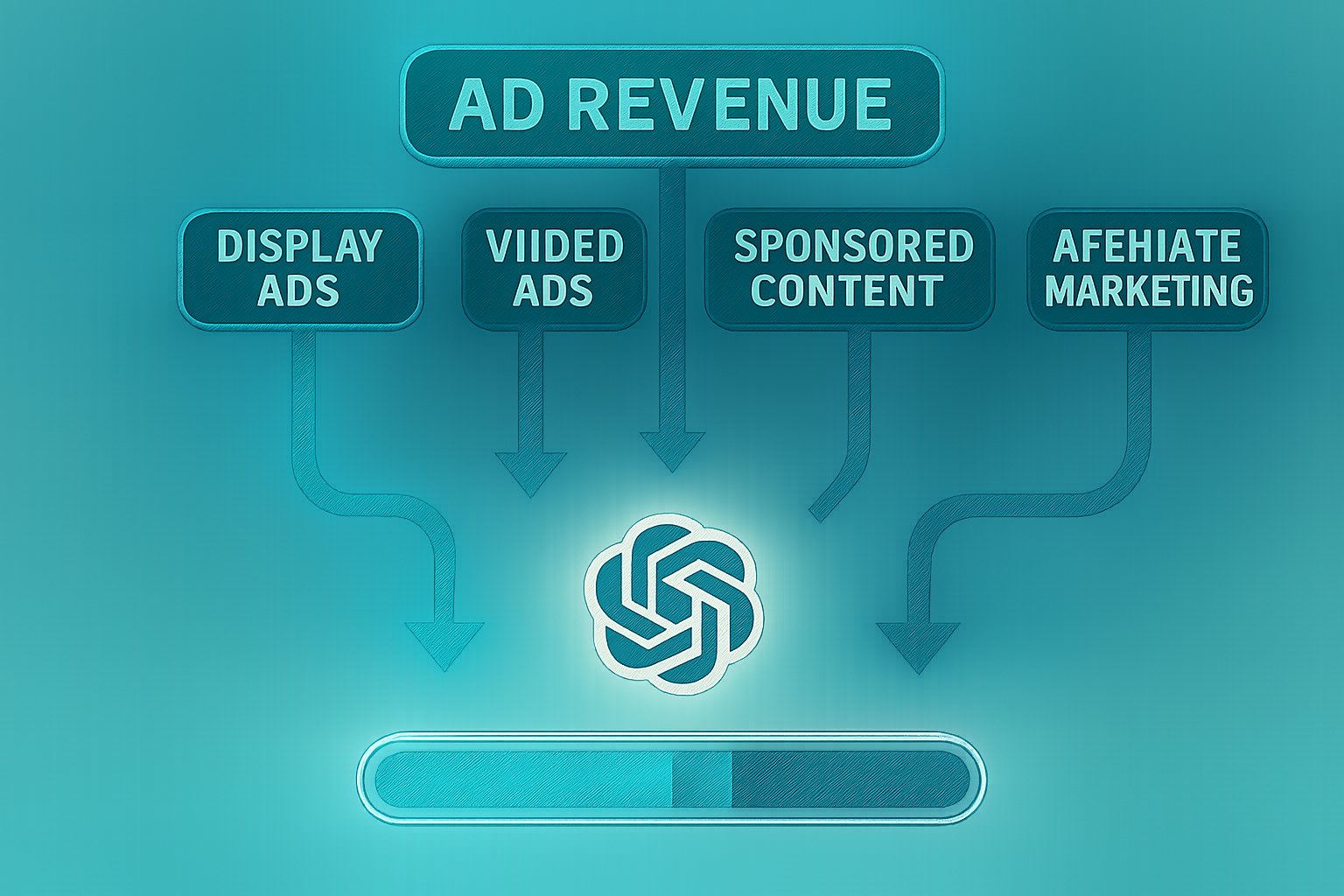
Altman never confirmed a launch schedule. Nevertheless, developers outlined potential formats:
- Contextual search ads embedded within generated answers
- Sponsor cards displayed as horizontally scrollable carousels
- Affiliate links linked to transaction agents
Moreover, each format blends paid content with authoritative text, unlike banner ads beside blue links. Therefore, critics questioned neutrality. Here appears our third Monetization Strategy Pause mention, highlighting stakeholder concern.
These discoveries raised excitement among marketers. However, limited transparency fueled skepticism.
Competitive Market Forces Pressure
The broader market adds context to the fourth Monetization Strategy Pause. Global ad spend will surpass one trillion dollars by 2026, according to GroupM forecasts. Consequently, every platform chases advertiser budgets.
In contrast, OpenAI still relies heavily on subscription and enterprise plans. Diverse revenue models matter because large-scale inference requires costly GPUs. Additionally, investors value predictable income streams when assessing massive valuations.
Gemini 3’s fast growth intensified urgency. Moreover, Perplexity’s search chat blends ads already. Therefore, postponing ads risks ceding ground. Nevertheless, management decided product excellence outweighs near-term commercialization.
These dynamics underline external pressure. Yet the company still owns unparalleled mindshare.
Impact On User Experience
Integrating promotions into generative output could distort perceived objectivity. Furthermore, privacy advocates warn that targeting requires extra data retention, harming user experience. Fifth usage of Monetization Strategy Pause signals a user-centric rationale.
OpenAI’s models synthesize single answers rather than rank lists. Therefore, paid placement could replace the “best” suggestion without clear labeling. Additionally, ads might slow response times if retrieval systems fetch sponsor metadata.
Nick Turley said the team will “make ChatGPT feel even more personal.” Consequently, intrusive ads conflict with that promise. In contrast, transparent disclosure may mitigate erosion of trust.
These tensions emphasize why polishing speed and clarity remains essential. However, advertising revenue still tempts product leaders.
Trust And Privacy Risks
Regulators already scrutinize generative AI. Moreover, the EU’s AI Act demands explicit explanation when content is sponsored. Sixth reference to Monetization Strategy Pause emerges within this compliance lens.
In addition, privacy frameworks like GDPR limit behavioral profiling. Consequently, advertisers might receive limited measurement, reducing campaign appeal. Nevertheless, lawyers say careful design could balance personalization and safety.
OpenAI must also assure clients that proprietary data stays isolated. Furthermore, any ad model must avoid hallucinating brand claims. Therefore, a phased approach appears prudent.
These legal complexities validate delaying ad launches. However, delaying forever sacrifices large income streams.
Alternative Revenue Model Paths
Seventh Monetization Strategy Pause instance leads naturally to substitute income ideas. OpenAI already sells ChatGPT Plus, Team, and Enterprise tiers. Additionally, it licenses APIs to developers building vertical services.
Analysts outline other promising revenue models:
- Transaction commissions from shopping or travel agents
- Premium personalization add-ons for enhanced user experience
- Domain-specific models fine-tuned for regulated industries
Furthermore, professionals can strengthen strategic planning skills through the AI + Human Resources™ certification. The course covers ethical commercialization frameworks.
Consequently, OpenAI enjoys multiple monetization levers without ads. Nevertheless, diversified income enhances resilience.
These paths demonstrate flexibility. Yet scaling each path will demand sustained innovation.
Strategic Roadmap Lies Ahead
Eighth appearance of Monetization Strategy Pause sets the stage for forecasting. Reuters Breakingviews suggested the pause may last quarters, not weeks. Meanwhile, product teams will measure gains in latency, factuality, and personalization.
Subsequently, management could re-evaluate ad experiments if metrics improve. Moreover, hybrid solutions—such as labeled affiliate links—might meet trust thresholds. In contrast, a full auction marketplace seems distant.
OpenAI must also consider partner ecosystems. Advertisers seek robust analytics, while agencies demand brand safety. Consequently, early pilots will likely involve curated categories.
These steps outline a cautious roadmap. However, investor expectations will remain high.
OpenAI’s decision illustrates product-first culture. Ninth mention of Monetization Strategy Pause highlights that ethos.
Key Takeaways Recap
• OpenAI paused ad features despite trillion-dollar market allure.
• Competitive pressure from Google and Anthropic spurred the decision.
• Trust, privacy, and user experience risks dominated internal debates.
• Alternative revenue models can offset delayed commercialization.
Consequently, industry stakeholders watch carefully. Future ad rollouts remain possible if performance targets land.
These insights set expectations for 2026. Nevertheless, rapid AI evolution could upend timelines again.
Conclusion And Next Steps
The tenth and final use of Monetization Strategy Pause frames the conclusion. OpenAI prioritized reliability, latency, and personalization over swift ad income. Furthermore, leaked beta code confirmed serious experimentation, yet competitive realities forced reflection. Consequently, trust and privacy concerns will shape eventual ad designs.
Meanwhile, subscription tiers, enterprise APIs, and transactional agents offer viable revenue models. Moreover, refined user experience can strengthen loyalty while leadership reconsiders commercialization tactics. Professionals aiming to navigate similar pivots should explore the AI + Human Resources™ credential for strategic insights.
Stay alert for future roadmap signals, and prepare your chat strategies accordingly. Act now to deepen expertise before the next monetization wave arrives.
Disclaimer: Some content may be AI-generated or assisted and is provided ‘as is’ for informational purposes only, without warranties of accuracy or completeness, and does not imply endorsement or affiliation.


