

AI CERTS
3 months ago
Amazon Security Lake: Cyber Security AI Powers Modern SOC
Analysts ask plain questions and receive actionable charts within seconds. However, hallucination and privacy risks remain significant. This article maps the technology, ecosystem, and safeguards driving adoption. It also examines market impact and practical best practices.
Security Lake Primer
Amazon Security Lake centralizes CloudTrail, VPC flow, and partner feeds into one data lake. OCSF formatting ensures every event shares consistent field names and timestamps. Therefore, downstream analytics engines require fewer parsers, and security ops accelerate onboarding. When fused with Cyber Security AI, the lake turns raw telemetry into guided insights.
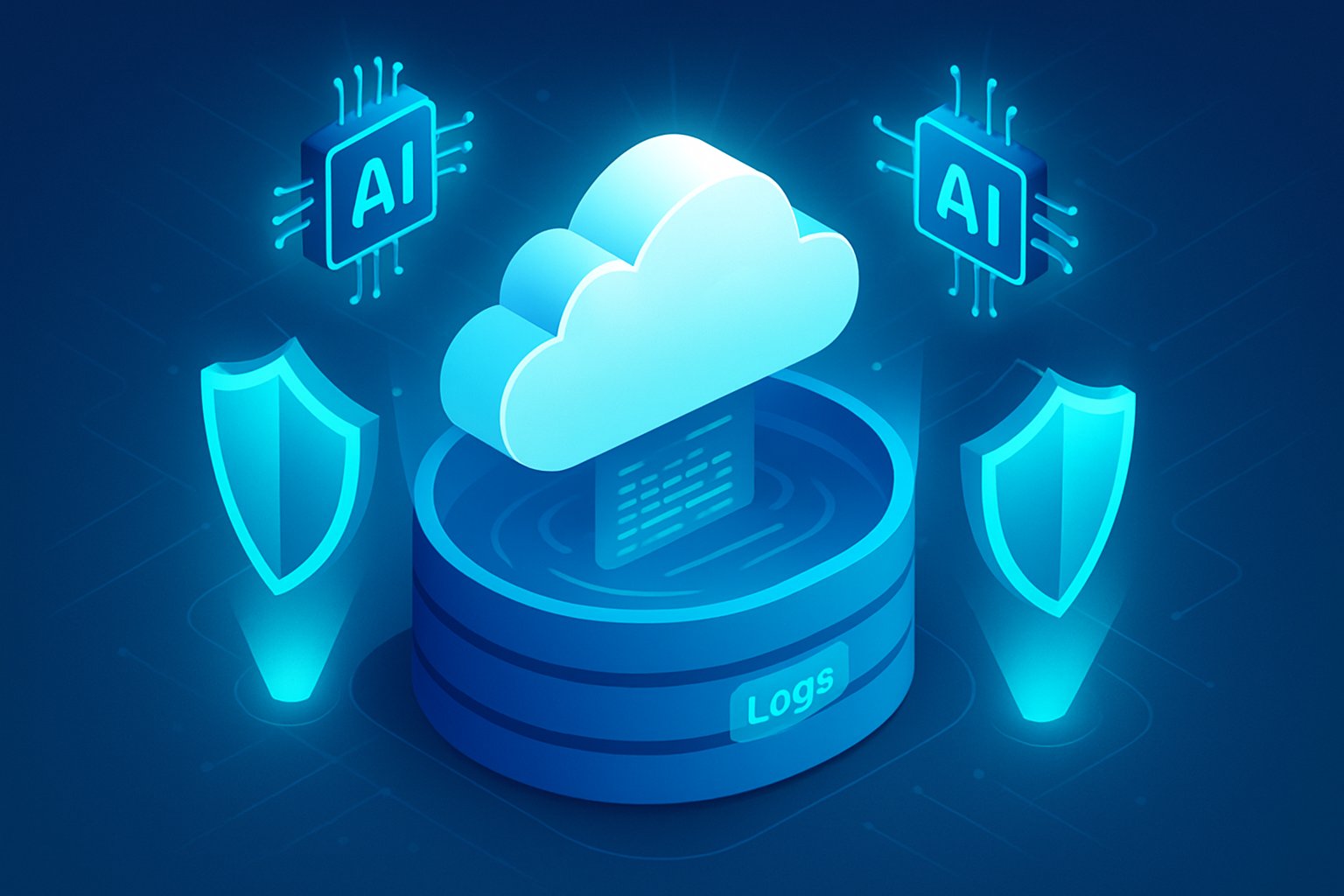
In short, Security Lake provides a canonical telemetry foundation. Consequently, later AI layers inherit reliable and timely data. Meanwhile, the partner program validates integrations for faster rollouts.
Growing AI Ecosystem
AWS launched the Security Lake Ready specialization in December 2024. Moreover, vendors like Orca Security and Observo AI immediately joined. These partners embed Cyber Security AI features for remediation and enrichment. Additionally, governance specialists integrate key management and policy controls. Consequently, customers gain a vetted marketplace for analytics, ingestion, and ops automation.
Today, more than a dozen providers stream OCSF logs or consume lake views. Furthermore, Bedrock foundation models extend conversational layers across the stack. These developments accelerate threat detection pipelines while reducing manual effort.
The ecosystem expands monthly. Nevertheless, buyers should compare pricing, coverage, and model safety claims. These considerations lead directly into concrete use cases.
Key Use Cases
Security teams apply the platform across investigation, response, and compliance. The following list shows popular scenarios:
- Natural language queries for rapid log analysis
- AI-generated remediation steps that cut mean time to resolution
- Automated enrichment that removes duplicates and highlights risky patterns
- Cost-optimized routing that archives cold data while keeping hot streams active
- Reporting dashboards that blend lake data with business ops metrics
Each workflow benefits from quick access to normalized events. Furthermore, models learn consistent field names, which improves threat detection accuracy. Consequently, analysts maintain faster pace without constant schema corrections.
Natural Language Queries
The AWS reference notebook links Security Lake, Athena, and Bedrock. Analysts ask, “Which account owns the most Security Hub findings?” Bedrock then generates SQL, executes it, and visualizes results. Moreover, the loop refines queries using previous answers, boosting log analysis depth. These flows showcase Cyber Security AI lowering skill barriers.
Such capabilities accelerate investigations. However, they also demand validation, which brings governance into focus.
Guardrails And Governance
Bedrock Guardrails add content filters and Automated Reasoning checks. Consequently, hallucinations are flagged before misleading the SOC. Additionally, KMS keys encrypt guardrail policies for regulated workloads. Vendors further mask user context to protect privacy. Therefore, threat detection remains accurate while sensitive data stays shielded.
Adopting these controls reduces risk exposure. Nevertheless, teams must still review generated remediation code before deployment.
These use cases demonstrate tangible productivity gains. However, understanding risk mitigation steps is equally important.
Risk Mitigation Steps
AWS and partners recommend layered defense when deploying Cyber Security AI. Firstly, grant least-privilege access across SageMaker, Athena, and Lake Formation. Secondly, enable Guardrails with topic restrictions and profanity filters. Moreover, activate Automated Reasoning to detect invalid SQL. Thirdly, mask secrets before sending prompts to Bedrock.
Cost governance also matters. Therefore, model token limits and notebook shutdown automation should be configured. Additionally, track Athena scan sizes to avoid billing surprises. These controls integrate smoothly with existing ops playbooks.
Following these steps curbs major adoption risks. Consequently, organizations can pursue innovation with confidence. Meanwhile, market forces continue to shape adoption curves.
Market Impact Outlook
MarketsandMarkets projects security analytics spending will reach USD 25.4 billion by 2026. In contrast, Mordor Intelligence estimates USD 19.4 billion during 2025. Regardless of forecast, double-digit growth is clear. Cyber Security AI and centralized data lake designs fuel this expansion. Furthermore, Security Lake Ready validations ease procurement cycles.
Independent analysts note the importance of OCSF standardization. Consequently, cross-vendor log analysis becomes simpler, and multi-cloud strategies gain traction. Moreover, vendors claim faster threat detection and reduced MTTR by 30-50 percent.
Professionals can enhance expertise with the AI Ethics certification. Such credentials help teams evaluate model behavior and policy alignment.
The market indicators suggest ongoing investment momentum. Therefore, preparing talent and governance now delivers long-term advantage.
Conclusion And Action
Amazon Security Lake pairs normalized telemetry with powerful Cyber Security AI workflows. Consequently, teams achieve faster threat detection, richer log analysis, and streamlined ops. Moreover, Bedrock Guardrails and least-privilege design curb hallucination and privacy risks. However, disciplined cost management and validation remain essential. Organizations that integrate certifications and governance will lead the next wave. Explore the linked AI Ethics credential today and strengthen your strategic posture.


