

AI CERTS
6 months ago
TikTok Avatars and Social Media AI Boost Marketing
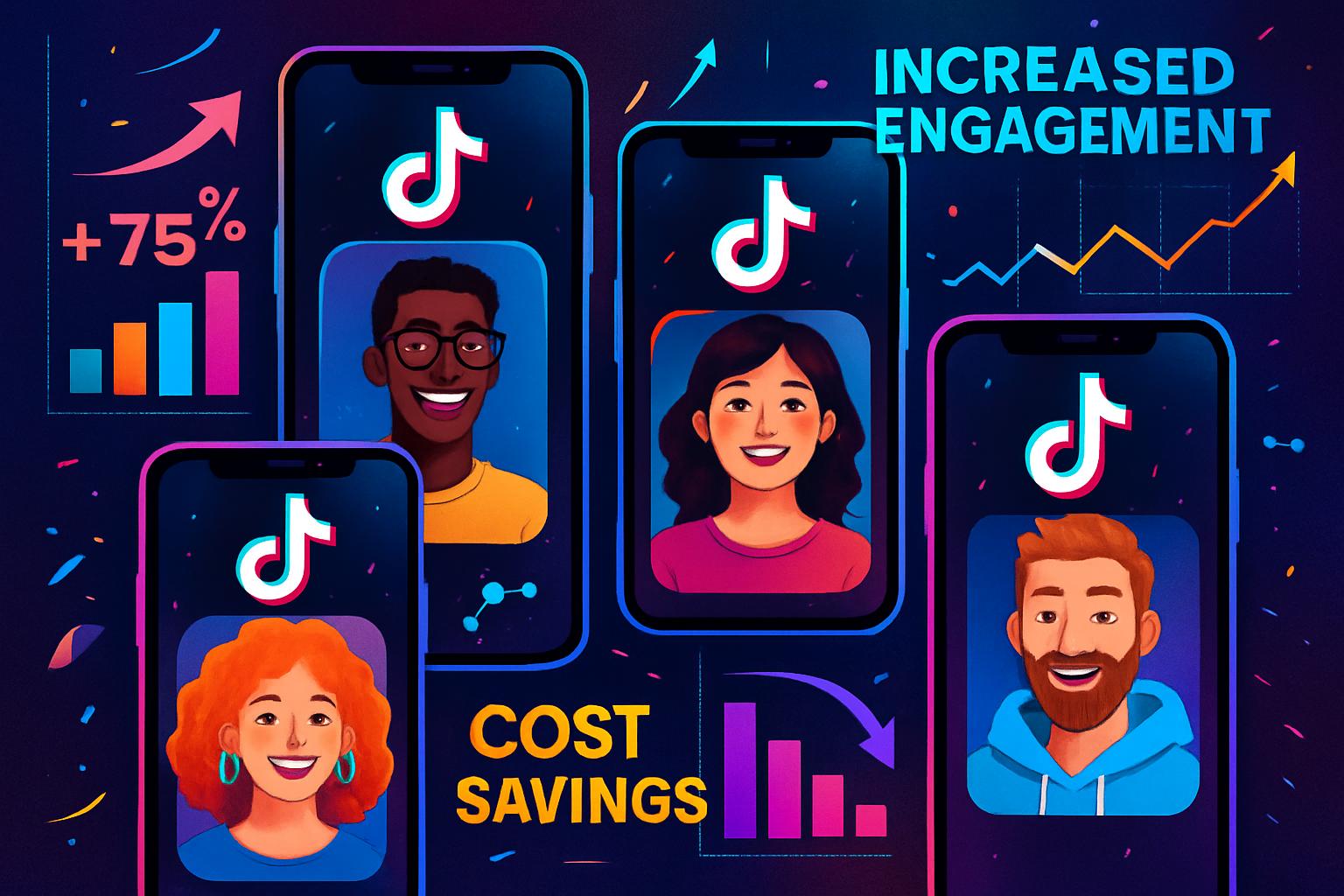
Consequently, brands can spin up photoreal spokespeople who speak 30 languages without boarding a plane.
However, journalists and regulators warn that synthetic charm can morph into harmful deception. Therefore, transparency measures have become essential.
This article unpacks the tools, data, risks, and next steps shaping TikTok’s avatar charge.
Professionals will gain action-ready insight for campaigns, policy discussions, and career development.
Avatar Tools Transform Ads
Symphony Digital Avatars sit atop TikTok’s original in-app avatar effect. The suite offers stock or custom characters built through cloud based synthesis.
Moreover, stock avatars rely on licensed actors. Custom options clone a creator’s likeness, preserving their digital identity across markets.
Consequently, brands script a message, upload an image, and receive a ready-to-publish video within minutes. Meanwhile, Social Media AI aligns facial micro-movements with speech in real time.
These tools collapse production cycles and localization hurdles. Costs fall while creative control widens. Next, data shows whether the promises materialize.
Performance Data Highlights Uptick
Independent audits remain sparse, yet platform statistics illustrate notable lifts. For example, TikTok cites a 37% purchase intent surge for TikTok-first ads.
- Keyzar holiday campaign: +88% click-through rate, −40% cost per add-to-cart, +21% ROAS.
- Brand favorability rose 38% in controlled Kantar studies, according to TikTok Marketing Science.
- 79% of surveyed users prefer platform-crafted creative over repurposed assets.
- Average video view time increased 15%.
- Some creators report higher residual earnings after avatar adoption.
Furthermore, advertisers credit Social Media AI for unlocking multilingual testing impossible under traditional budgets. Nevertheless, these figures come from TikTok, not neutral researchers.
Early data indicates meaningful efficiency and engagement gains. Skeptics still demand third-party validation. The potential benefits, however, entice global brands to experiment. Let’s examine why those brands jump in.
Driving Benefits For Brands
Language barriers disappear because avatars auto-dub scripts into 30 tongues while matching lip movements. Moreover, the same virtual host keeps brand tone consistent across markets.
SMBs gain Hollywood-grade production without hiring crews. Consequently, internal teams iterate creative daily, not quarterly. Each new video maintains the brand’s digital identity because the underlying synthesis model stays fixed.
Additionally, creators profit when custom avatars let them appear in sponsored spots while they sleep. Royalties accrue even during offline hours. Therefore, Social Media AI supplies localized voiceovers without extra studio time.
Scale, speed, and personalization combine into a persuasive trio. Brands therefore perceive high return potential. Yet opportunities coexist with serious risks we must explore next.
Risks Spark Regulatory Scrutiny
Nevertheless, synthetic spokespeople can erode authenticity and audience trust. Viewers may believe a human endorsed a product when only an algorithm spoke.
Misuse worries regulators because realistic deepfakes facilitate misinformation and scams. In contrast, TikTok pledges mandatory AI-generated labels on Symphony output.
Job displacement also looms as brands favor inexpensive avatars over human presenters. Consequently, creators fear losing bargaining power over their likeness.
Authenticity gaps could violate FTC endorsement rules. False claims may hijack a public figure’s digital identity. Complex synthesis pipelines hide bias that can amplify stereotypes. Regional policies are tightening synthetic media disclosure worldwide.
Moreover, responsible Social Media AI governance requires clear consent workflows and auditable content provenance.
Regulatory pressure will intensify as adoption grows. Firms need proactive safeguards and contracts. Competitive forces further complicate the landscape, as the next section shows.
Competitive Landscape Rapidly Shifts
TikTok faces rivals such as Meta, Snap, and independent avatar vendors. Meanwhile, Synthesia and D-ID license similar synthesis engines to enterprises.
OpenAI’s Sora demoed text-to-video generation that could integrate with future feeds. Consequently, platform differentiation hinges on user base scale and content tools.
Industry forecasts place the virtual human market in multi-billion territory by 2030. Therefore, investors continue to fund avatar startups aggressively.
In contrast, TikTok controls content graph data that fuels Social Media AI personalization algorithms.
Competitive intensity accelerates innovation and risk simultaneously. Marketers must navigate options with strategic discipline. The following guidance outlines practical steps.
Strategic Steps For Marketers
Begin with a clear objective and success metric before generating a single avatar video. Subsequently, secure written consent from any creators providing likeness data.
Moreover, demand transparent labeling and audit logs from platform partners. Establish a rapid content removal protocol for mislabeled or malicious synthesis output.
- Run A/B tests with neutral measurement partners.
- Cap avatar frequency to avoid audience fatigue.
- Update disclosures alongside FTC guidelines.
- Upskill teams through formal learning.
Professionals can deepen skills with the AI Marketing Certification. Consequently, teams align technical literacy with governance demands.
Finally, integrate Social Media AI insights into cross-functional dashboards for ongoing optimization.
Structured planning, controls, and education convert promise into repeatable performance. These tactics ready marketers for forthcoming shifts. We conclude with a quick outlook.
Future Outlook
Social Media AI is already redefining production velocity and personalization. TikTok’s avatars demonstrate that transparent design can amplify engagement without sacrificing digital identity.
However, unchecked deployment of Social Media AI invites regulatory and reputational backlash. Therefore, marketers should pair Social Media AI experiments with strict audits, creator consent, and continuous user feedback.
Act now, test responsibly, and revisit this playbook as tools evolve. Secure skills upgrades through the linked certification and lead your team into accountable innovation.
Disclaimer: Some content may be AI-generated or assisted and is provided ‘as is’ for informational purposes only, without warranties of accuracy or completeness, and does not imply endorsement or affiliation.


