

AI CERTS
5 months ago
Amazon’s AI Shopping Assistant Rufus Boosts Holiday Conversions
These numbers position the tool as a defining force in modern e-commerce. Stakeholders across retail, advertising, and cloud infrastructure are watching closely.
Rufus Holiday Sales Impact
Amazon launched Rufus broadly ahead of the peak shopping season. Consequently, engagement surged during Black Friday and Cyber Monday. Company data shows interactions rose 210% year over year. Furthermore, shoppers who chatted with the assistant were 60% more likely to complete purchases. The mobile app push mattered because 70% of holiday traffic now originates from phones. In contrast, desktop growth was modest. Thus, the assistant became a prime driver of impulse buys and streamlined deal hunting.
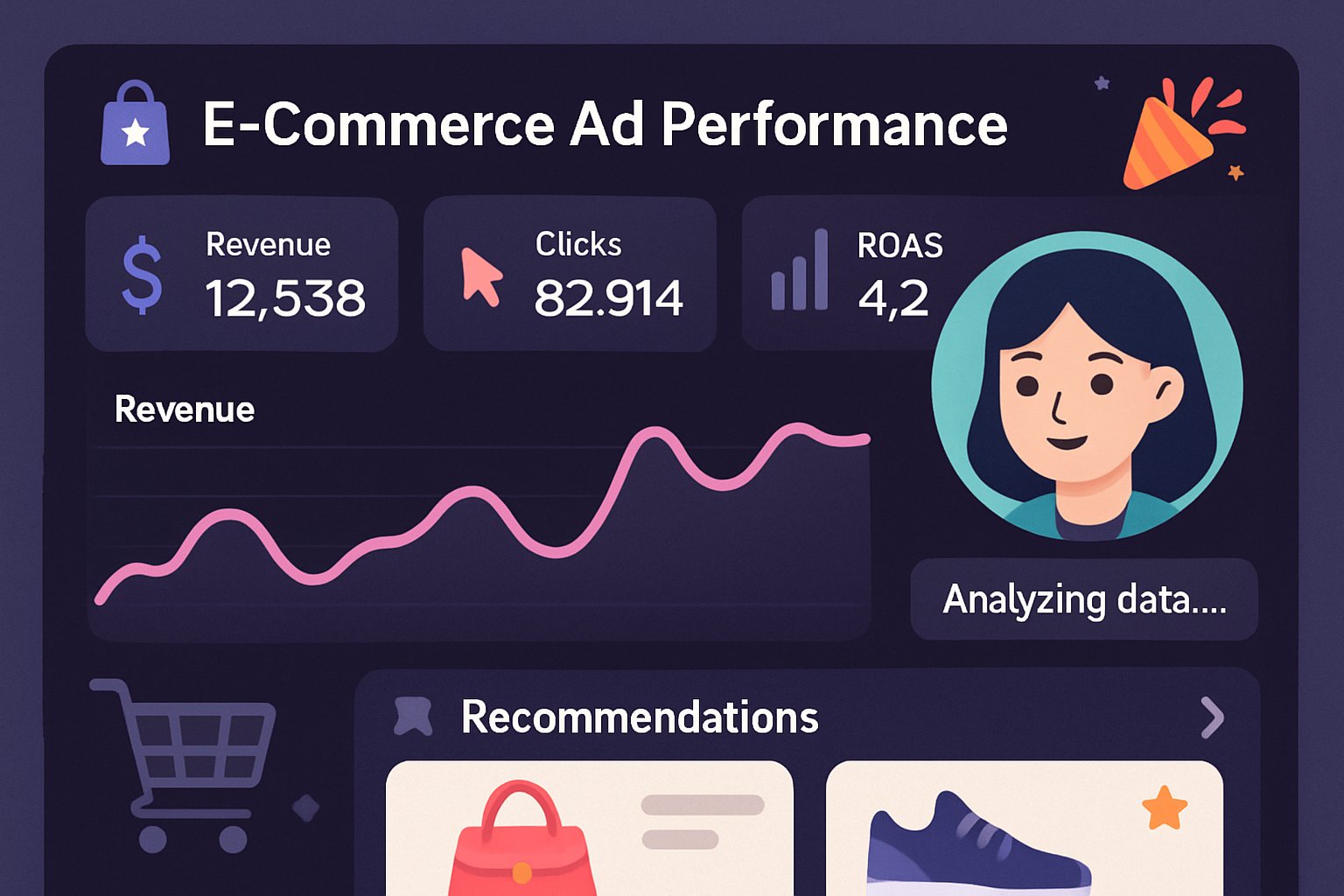
Rufus’ holiday performance highlights shifting consumer expectations. Additionally, conversational search compresses the classic funnel, saving research time. These outcomes underscore Amazon’s bid to anchor loyalty around the AI layer. However, questions linger about long-term sustainability once promotional intensity fades.
Holiday conversion gains illustrate immediate value. Nevertheless, further quarters must confirm repeat behavior.
Conversion Lift And Data
Amazon credits Rufus with a major uplift in measurable outcomes. Internal “downstream impact” modeling attributes sales occurring within seven days of each chat. Moreover, the company disclosed a 60% conversion lift among engaged shoppers. Analysts emphasize that such uplift, if sustained, can materially boost gross merchandise value within e-commerce operations.
Key reported metrics include:
- 250 million users interacted with the AI Shopping Assistant in 2025.
- Monthly active users rose 140% year over year.
- Projected incremental revenue surpasses $10 billion annually.
Furthermore, Amazon’s attribution window may inflate headline numbers. Independent verification is limited because the company controls data access. Nevertheless, the lift aligns with broader industry findings around conversational guidance and personalized recommendations.
These statistics suggest strong potential upside. However, transparency will decide investor and advertiser confidence going forward.
Ad Monetization Pivot Explained
During 2025, Amazon embedded sponsored prompts directly within Rufus chats. Consequently, ad revenue growth accelerated to roughly 22% year over year in Q3. Marketers can now buy conversational placements adjacent to organic recommendations. Moreover, Amazon Ads unveiled new tools that automate bid optimization across formats.
Advertisers cite early beta results:
- Sponsored prompts delivered 18% higher click-through rates.
- Video creatives inside chat drove 12% higher add-to-cart actions.
- Full-funnel reporting unified search, display, and conversational units.
Consequently, brands view Rufus as both discovery engine and paid channel. Meanwhile, sellers fear rising dependence on ad spend to secure visibility. Regulatory experts also question disclosure clarity, because conversational replies blur lines between content and promotion.
The pivot boosts Amazon’s margins today. Nevertheless, insufficient labeling could draw scrutiny from regulators tomorrow.
Seller Community Mixed Reactions
Third-party merchants power more than half of Amazon’s physical goods sales. In contrast to brand advertisers, many independent sellers voice concern. Forum posts describe unpredictable ranking shifts when the AI Shopping Assistant surfaces paid prompts. Moreover, some sellers report lower organic impressions during the holiday rush.
However, others praise easier discovery when Rufus highlights niche inventory through personalized recommendations. Additionally, new listing-optimization tools built on the same language models promise better copy and automated translation. Sellers also note faster customer Q&A cycles, reducing support burdens.
Mixed outcomes reveal uneven benefit distribution. Consequently, advocacy groups urge Amazon to publish detailed guidance on how paid and organic factors interact inside chat.
Sellers remain crucial to Amazon’s catalog depth. Therefore, sustained trust will depend on transparent ranking logic.
Competitive Retail AI Landscape
Amazon’s rivals respond vigorously. Walmart launched Sparky, its own conversational agent, inside the mobile app. Moreover, Walmart tests similar sponsored prompts, signaling a platform shift across U.S. retail. OpenAI also partners with retailers to embed ChatGPT-power shopping flows.
In contrast, Amazon restricts some third-party agents, notably Perplexity, from scraping site data. The company argues external bots degrade experience accuracy. Consequently, the ecosystem fractures between open and closed commerce agents.
Competitors match features quickly. However, Amazon holds scale advantages in data volume, AWS infrastructure, and entrenched Prime membership. Additionally, the assistant’s global expansion leverages Bedrock and Trainium chips for cost-efficient inference.
Rival moves validate conversational commerce momentum. Nevertheless, differentiation will hinge on user trust and advertising ethics.
Technology Stack Underpinning Rufus
Rufus relies on a model router that selects Bedrock-hosted models, including Anthropic’s Claude and proprietary Amazon LLMs. Retrieval-Augmented Generation pulls live catalog data, star ratings, and editorial guides. Furthermore, Project Rainier capex ensures custom silicon lowers inference cost per query.
Additionally, the assistant integrates natively with the Amazon Shopping mobile app and website. This architecture delivers sub-second latency during peak traffic. Meanwhile, AWS commercial clients can access similar pipelines, extending Amazon’s advantage beyond first-party retail.
Professionals can enhance their expertise with the AI+ Educator™ certification, gaining structured insight into conversational AI deployment.
The stack shows Amazon’s vertical control. Consequently, few competitors can match investment depth.
Future Outlook And Risks
Management forecasts continued growth as the AI Shopping Assistant expands internationally and adds voice features. Moreover, auto-buy actions could close the loop from discovery to checkout. Conversely, regulatory attention may intensify around ad disclosure, data usage, and algorithmic fairness.
Key watchpoints include:
- Verification of the $10 billion attribution figure.
- Seller impacts on margins and visibility.
- Global rollout performance across diverse e-commerce cultures.
- Competitive feature gaps with Walmart and OpenAI partnerships.
Furthermore, consumer trust will depend on answer accuracy and privacy safeguards. Meanwhile, potential antitrust probes could challenge Amazon’s tight integration of commerce and advertising.
Rufus presents immense upside. Nevertheless, execution missteps or policy shifts could dampen momentum quickly.
These emerging risks warrant close monitoring. However, the assistant’s trajectory currently tilts decidedly upward.
Conclusion And Call-To-Action
Rufus has transformed holiday shopping by merging personalized recommendations, conversational search, and integrated ads. Moreover, Amazon reports significant conversion uplift and multi-billion-dollar revenue gains. Competitors scramble to replicate the model, while sellers navigate evolving visibility dynamics. Consequently, future success depends on transparency, fair attribution, and regulatory compliance. Professionals aiming to lead in conversational commerce should pursue continuous learning. Therefore, consider strengthening your credentials through the linked certification and stay ahead in this fast-moving ecosystem.
Disclaimer: Some content may be AI-generated or assisted and is provided ‘as is’ for informational purposes only, without warranties of accuracy or completeness, and does not imply endorsement or affiliation.


