

AI CERTS
3 months ago
Karnataka Judge Warns On Legal AI Ethics
Courts Signal AI Caution
Karnataka’s judiciary leads the regional debate. Furthermore, Justice Joshi stated that AI may streamline scheduling, translation, and transcription. Nevertheless, he insisted that human oversight must remain. Visiting Supreme Court judges echoed this sentiment, citing rising global sanctions for AI errors. Meanwhile, a July 2025 Karnataka High Court case showed an AI-generated video impersonating a judge. Therefore, confidence in digital evidence weakened. These events underscore Legal AI Ethics as a governance priority.
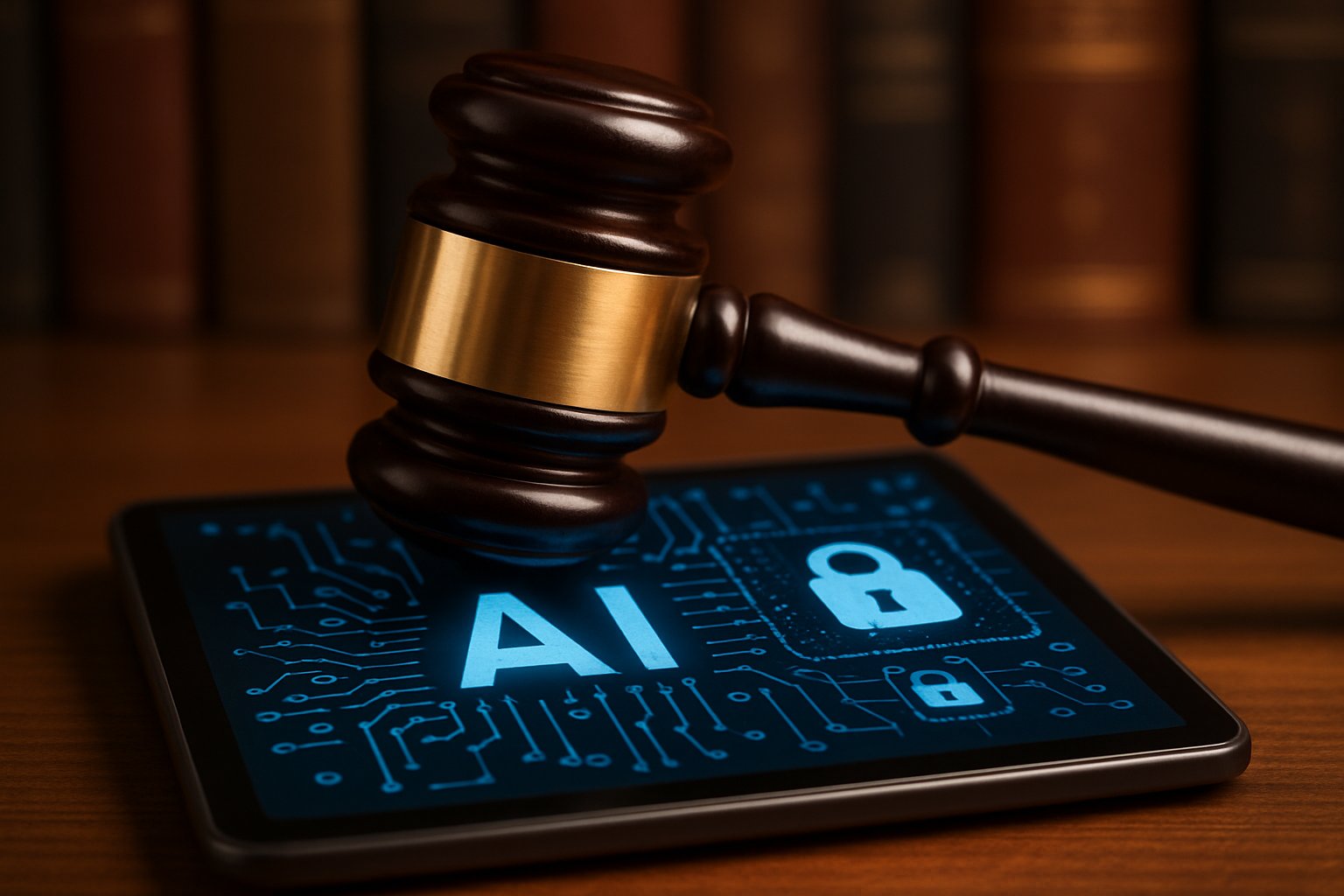
Indian courts accept incremental innovation. Consequently, training programs now teach judges prompt engineering and result validation. The National Judicial Academy will deploy sandbox pilots that restrict external data calls. These initiatives close the section. However, risks extend beyond courtroom efficiency, leading to deeper conversations ahead.
Key AI Risks Identified
Speakers listed multiple hazards threatening data accuracy and procedural fairness. Hallucinations remain the most cited danger because they fabricate rulings and citations. Additionally, opaque model logic raises bias concerns. In contrast, synthetic media jeopardises evidentiary trust. Collectively, these issues demand strict oversight frameworks and robust audit trails under a strong Legal AI Ethics regime.
Court Hallucination Case Studies
A Washington Post tally documented 95 hallucinations inside U.S. filings during 2025 alone. Similarly, Karnataka judges observed false precedents slipped into petitions. Moreover, attorneys abroad faced fines for such errors. Consequently, firms now deploy retrieval-augmented generation to ground outputs in verified law. These cases remind every judiciary that vigilance is non-negotiable.
Recommended AI Verification Tools
Experts propose layered defences: citation checkers, chain-of-thought logs, and cryptographic evidence seals. Moreover, specialised legal databases limit model drift and improve data accuracy. Professionals can enhance their expertise with the AI+ UX Designer™ certification. Such upskilling supports trustworthy user interfaces that highlight AI confidence scores. These tools reduce hallucinations while retaining efficiency. Hence, technologists and lawyers collaborate to embed Legal AI Ethics into system architecture.
These safeguards tackle immediate pitfalls. However, global accountability trends reveal additional forces shaping compliance.
Global Disciplinary AI Trends
International courts increasingly punish negligent AI use. For example, U.S. judges now issue public reprimands alongside monetary fines. Additionally, some benches demand educational workshops for violators. Reuters reports creative deterrents such as mandatory corrective reading lists. Consequently, law firms craft internal policies emphasising data accuracy verification.
Indian regulators watch these precedents closely. Moreover, bar associations draft disclosure rules for AI assisted filings. The judiciary benefits because transparent declarations simplify oversight. Nevertheless, harmonising standards across states remains challenging. Therefore, coordinated national guidelines anchored in Legal AI Ethics appear inevitable.
Disciplinary momentum strengthens cautionary messages. However, policy makers still seek proactive design solutions before mass deployment.
Proposed AI Guardrail Framework
Judicial speakers outlined a "cyborg judge" model blending human reasoning and machine assistance. Furthermore, they recommended tiered permissioning: low-risk tasks like translation receive broad approval; high-risk predictive analytics demand senior review. Additionally, periodic audits will track data accuracy and model drift. Consequently, oversight responsibilities distribute across clerks, technologists, and judges.
The framework stresses explainability. Therefore, vendors must expose decision paths or provide surrogate explanations. Moreover, privacy controls must align with constitutional protections. Such multilayered governance embodies Legal AI Ethics by design. These proposals close the section. However, technology economics also influence adoption pace.
Technology And Market Context
Verified Market Reports valued LegalTech AI at USD 9.8 billion in 2024. Moreover, analysts project double-digit growth through the decade. Consequently, vendors rush to integrate generative modules. Meanwhile, courts balance innovation with public trust. Deepfake detection startups now pitch solutions tailored for judiciary workflows.
Key market drivers include backlog reduction and multilingual accessibility. Additionally, retrieval-augmented generation promises fewer hallucinations and higher data accuracy. Nevertheless, integration costs and skills shortages stall some pilots. Therefore, strategic investment in training can unlock benefits while protecting Legal AI Ethics expectations.
Economic signals encourage experimentation. However, skills gaps present the next critical barrier.
Upskilling For Ethical Adoption
Human capacity building anchors every successful rollout. Furthermore, the National Judicial Academy plans modular courses on prompt design, bias mitigation, and oversight protocols. Lawyers gain similar exposure through bar council seminars. Additionally, interdisciplinary hackathons foster collaboration between coders and the judiciary.
Professionals also pursue recognised credentials. Consequently, demand rises for programmes like the AI+ UX Designer™ certification, which embeds usability and Legal AI Ethics principles. Graduates learn to surface confidence scores and data provenance within court dashboards. Moreover, continuing education builds a culture where hallucinations become exceptions, not norms.
- Four essential skills now top training agendas: ethical prompt writing, source validation, bias testing, and transparency reporting.
- Judiciary workshops emphasise transition words and plain language to improve citizen comprehension.
Capacity growth shrinks technology risk. Nevertheless, ongoing evaluation remains vital as models evolve.
Conclusion And Next Steps
Karnataka’s judges have reframed the debate by centring Legal AI Ethics in every modernization plan. Moreover, their warnings about hallucinations, data accuracy, and oversight echo worldwide trends. Consequently, structured guardrails, disciplined upskilling, and transparent vendor practices now define responsible innovation. Judiciary leaders must finalise national guidelines, while technologists refine verification tools. Therefore, readers should monitor policy drafts and invest in relevant certifications to stay ahead. Explore the linked programmes today and join the movement for trustworthy AI in law.


