

AI CERTS
3 months ago
Dell Signals Rising Server Hardware Pricing Amid AI Boom
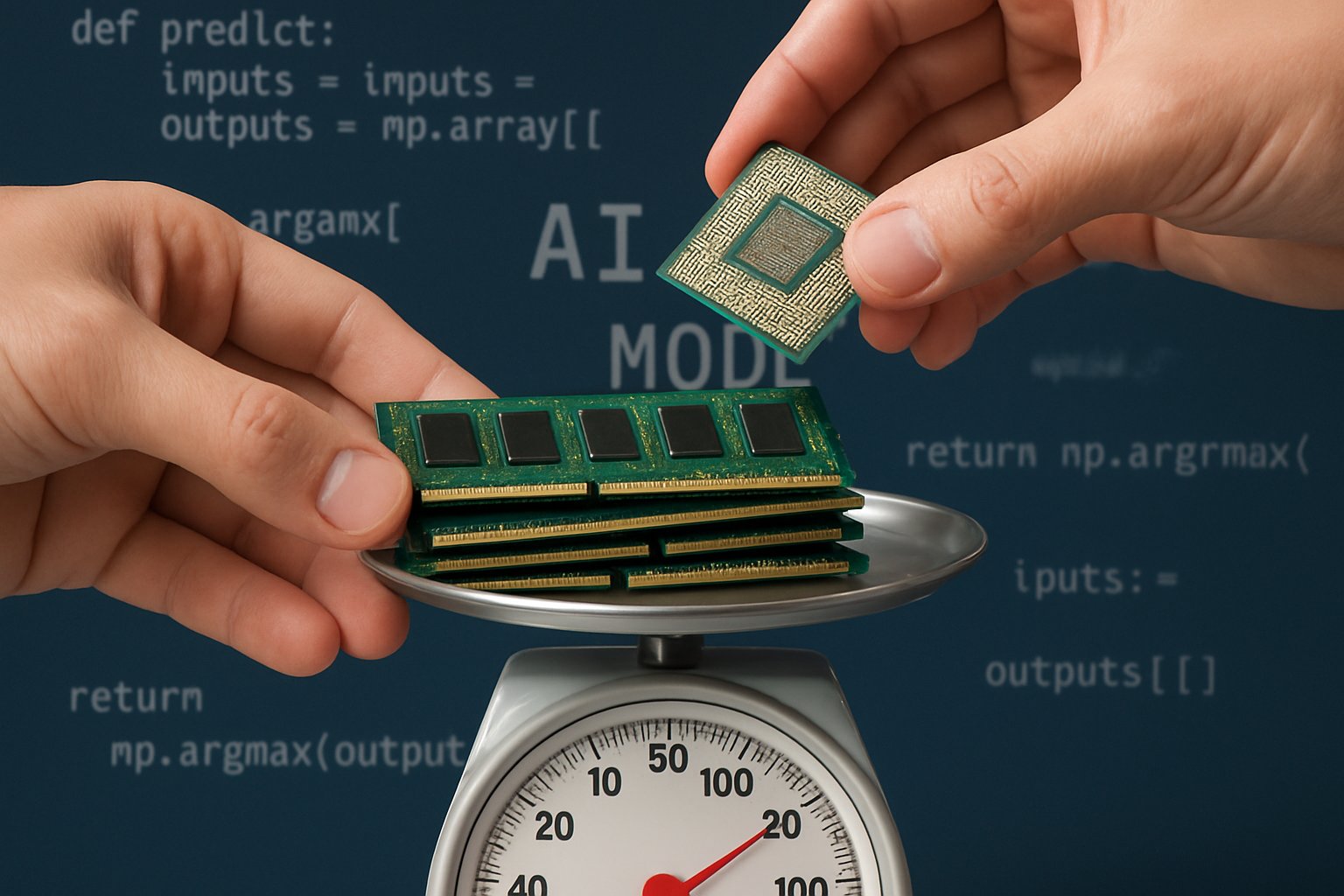
This article unpacks the numbers, risks, and mitigation options underpinning Dell’s cost warning.
AI Demand Fuels Growth
First, the demand story looks extraordinary.
Dell booked $12.3 billion in AI server orders during fiscal Q3 FY26.
Moreover, the AI server backlog ballooned to $18.4 billion, reflecting hyperscaler and public-sector enthusiasm.
Shipments reached $5.6 billion, while full-year AI server guidance jumped to roughly $25 billion.
Server Hardware Pricing remained secondary during the call, yet investor questions still surfaced.
These figures illustrate sustained top-line momentum.
However, the growth narrative quickly meets a cost reality explored next.
Server Hardware Pricing Trends
Pricing dynamics for AI-optimized boxes have stiffened throughout 2025.
In contrast, Server Hardware Pricing now reflects memory costs that jumped up to 300 percent.
Morgan Stanley called the move a “memory supercycle” and downgraded several OEMs, including Dell.
Key cost flashpoints include:
- DRAM spot prices adding over 50 percent quarter-on-quarter.
- NAND contract quotes doubling for high-density enterprise SSDs.
- GPU-ready chassis requiring larger power delivery components.
- Longer lead times inflating logistics and financing expenses.
Therefore, vendor quotes shifted weekly, complicating budget approvals as Server Hardware Pricing volatility eroded predictability.
Together, these elements push final invoices higher.
Consequently, component trends feed relentless margin pressure discussed below.
Memory Prices Surge Up
DRAM demand from GPU clusters intensified during large-language-model training cycles.
Meanwhile, memory shortages widened because suppliers cut production earlier in 2025.
TrendForce data indicates DRAM contract prices rising 40 percent since July.
Additionally, NAND pricing followed similar curves, and inventory buffers evaporated at hyperscalers.
Such moves make Server Hardware Pricing unpredictable.
Therefore, Dell warned that fast cost escalation could reach customers within months.
Margin Pressures Intensify Now
Higher bill-of-materials costs flow straight into gross margins.
Jeff Clarke admitted cost velocity was “unprecedented” during the earnings call.
Furthermore, Morgan Stanley models suggest 150 basis-point compression if DRAM inflation persists.
In contrast, Dell returned $1.6 billion to shareholders in Q3, underscoring cash flexibility.
Margins face a tug-of-war between pricing power and component inflation.
Subsequently, customer impacts deserve closer inspection.
Customer Cost Pass-Through Impact
Dell may shift higher memory costs to hyperscaler contracts.
Nevertheless, start-ups without scale could feel acute sticker shock.
Server Hardware Pricing for small enterprise buyers already rose during summer quoting cycles.
Melissa Otto believes tight demand gives vendors some latitude to raise list prices.
Consequently, procurement leaders must hedge supply chain exposure with longer commitments or alternative vendors.
For large enterprise buyers, Server Hardware Pricing escalations could alter total cost of ownership models.
Buyer leverage varies widely across customer tiers.
The competitive arena illustrates that variance.
Competitive Landscape Shifts Fast
Supermicro and HPE chase Dell using agile configurations.
However, their smaller scale increases vulnerability to memory shortages.
Server Hardware Pricing strategies diverge; Supermicro often bundles DRAM at contract quotes.
Meanwhile, memory suppliers like Micron benefit as OEMs scramble for capacity.
Competitive differentiation now hinges on procurement sophistication and supply chain partnerships.
Enterprises therefore need proactive roadmaps.
Enterprise Strategy Roadmap Guide
Enterprises deploying private AI clusters must revisit cost baselines quarterly.
Additionally, multi-sourcing DRAM and storage mitigates abrupt vendor price swings.
IT leaders should lock memory allocations early, avoiding next-quarter memory shortages.
Moreover, capacity planning tools should integrate real-time supply chain indicators.
Professionals can deepen skills via the AI Prompt Engineer™ certification.
A disciplined roadmap cushions future budget shocks.
Conclusion underscores the broader implications.
Strong demand, volatile input costs, and tightening supply define today’s AI server market.
Consequently, Dell’s warning resonates across OEMs and buyers alike.
Server Hardware Pricing now sits alongside performance as a strategic metric.
Meanwhile, memory shortages and DRAM inflation present persistent risks.
Therefore, enterprises must sharpen procurement playbooks, diversify suppliers, and track component indices weekly.
Finally, seize learning opportunities and refine architectures to stay competitive in 2026.
Explore certifications, market dashboards, and expert briefings to navigate the changing hardware landscape.


