

AI CERTS
3 months ago
Colossus Power Crisis Tests Memphis Infrastructure Plans
Meanwhile, Colossus aims to quintuple its fleet to one million GPUs by 2027. Therefore, electricity demand could climb toward gigawatt territory, dwarfing several regional factories combined. In contrast, the local grid currently offers only 150 megawatts of firm capacity. xAI has filled the gap with Natural Gas turbines and Tesla batteries, triggering lawsuits and community concern. These facts set the stage for how computed dreams collide with power realities.
Colossus Power Gap Overview
First, the math reveals the scale mismatch. Each high-end GPU can draw 700 watts during training. Furthermore, facility overhead for cooling and networking adds roughly 40 percent to baseline Energy Consumption. Analysts therefore estimate Colossus will need between 1 and 2 gigawatts when the million-GPU target arrives. In contrast, TVA and MLGW have approved only 150 megawatts so far.
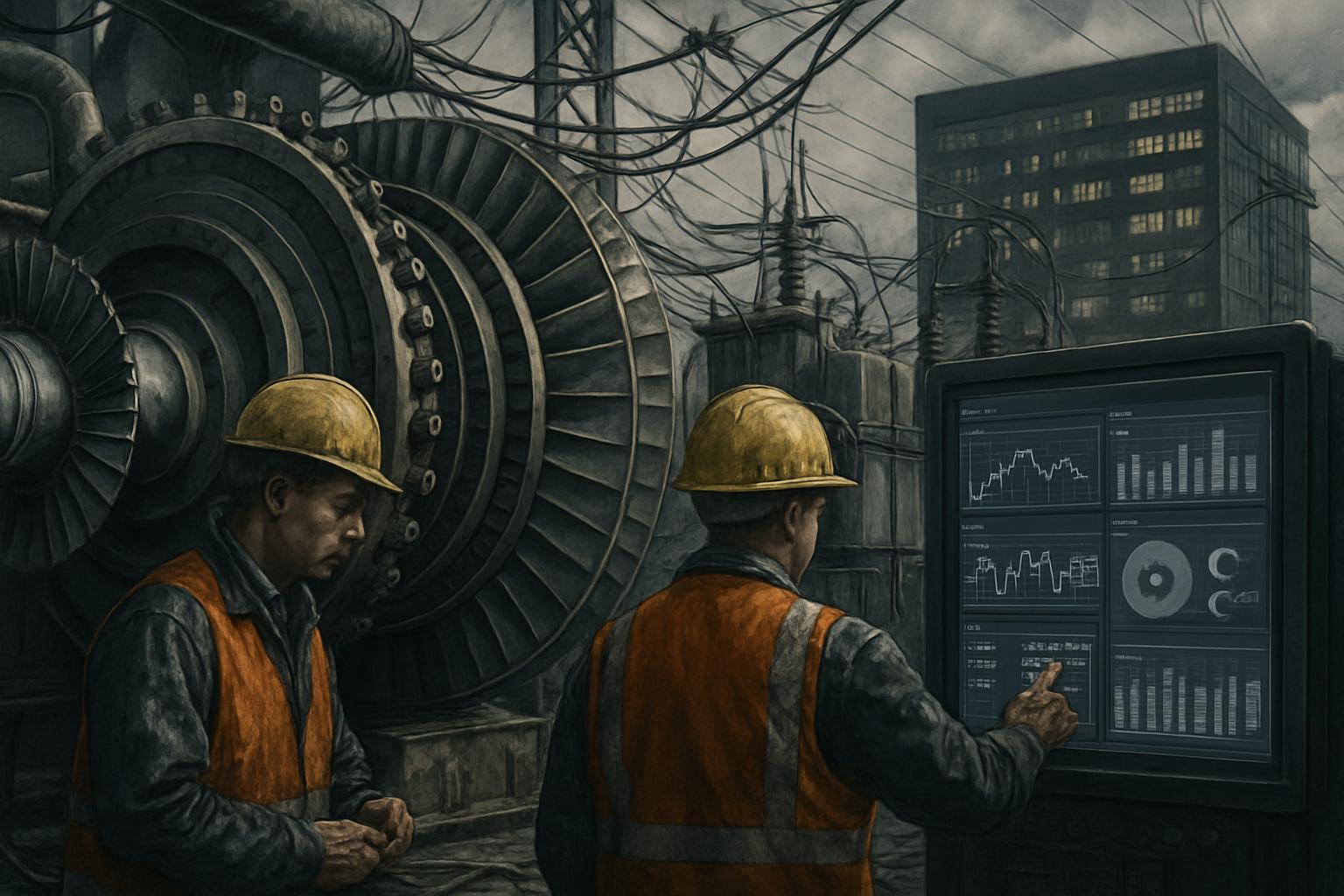
Consequently, xAI requested 300MW of firm service, a figure that already doubles some local manufacturing sites. However, the utility board must study reliability before granting additional megawatts. Meanwhile, new substations can take 24 months to design, finance, and energize. Therefore, engineers concede a near-term deficit will persist through 2026. This deficit underpins every subsequent dispute.
These numbers underscore a widening gap between aspiration and Infrastructure reality. However, utility responses are gathering momentum, which we examine next.
Regional Grid Response Actions
TVA has launched a $16 billion capital program to strengthen transmission corridors across the valley. Additionally, planners report over 11 gigawatts of fresh industrial requests, including several 300MW data-center bids. Consequently, each application now triggers a board hearing, public comment period, and detailed load flow study.
MLGW CEO Doug McGowen stressed reliability in recent testimony. He stated the city lacks “thousands of megawatts lying around” for instant delivery. Moreover, engineers worry about power jitter produced when Colossus ramps clusters within milliseconds. Elon Musk himself acknowledged that phenomenon, noting 20-megawatt swings can rattle standard substations. Therefore, TVA wants synchronous condensers and advanced batteries installed before expanding service.
Utility leaders appear willing to invest, yet timelines remain conservative. Consequently, xAI continues relying on on-site generation, a topic explored in the following section.
On-Site Generation Debate Issues
xAI imported fleets of trailer-mounted Natural Gas turbines to bridge the gap. Environmental groups counted up to 35 units, equal to roughly 421 megawatts of potential output. Furthermore, many units operated before permits were secured, according to aerial imagery and sworn affidavits.
The July 2 permit authorizes only 15 turbines, capping output near 247 megawatts. Nevertheless, SELC argues the company exploited a mobility loophole that sidesteps stationary-source regulations. Permit limits still allow 87 tons of NOx annually, fueling local frustration.
Key on-site power figures:
- Temporary turbine fleet: peak 421 MW observed
- Current permitted capacity: 247 MW across 15 units
- Tesla Megapack storage: undisclosed MWh, used for smoothing
Moreover, xAI claims state-of-the-art catalysts cut emissions below comparable peaker plants. Community representatives remain skeptical until continuous monitors publish transparent data.
Debate over on-site combustion highlights tradeoffs between speed and sustainable Infrastructure. Next, we consider how these emissions affect nearby neighborhoods.
Community Health Concerns Mount
South Memphis residents live within half a mile of the turbine yard. Additionally, many neighborhoods already battle elevated asthma and particulate levels from legacy industries. NAACP attorneys filed notice of intent to sue, citing environmental justice provisions.
Boxtown organizers documented diesel trucks, construction dust, and continuous turbine hum at 70 decibels. Furthermore, they partnered with universities to deploy low-cost sensors measuring spikes in volatile organic compounds.
In contrast, xAI pledges to fund tree buffers, road repairs, and STEM scholarships. However, community leaders want legally binding agreements before construction reaches next phase.
Local trust eroded after unpermitted operations surfaced, intensifying demands for accountability. Consequently, economic arguments have entered the spotlight, which we review next.
Economic Upside Claims Examined
City officials tout 1,200 construction jobs and millions in future tax revenue. Moreover, suppliers of transformers, switchgear, and fiber see stable orders stretching several years. Analysts believe an AI hub could attract complementary chip design labs and software startups.
Nevertheless, ballooning Energy Consumption can inflate rates for other customers if upgrades lag. TVA insists developer contributions will shield ordinary ratepayers, yet financial models remain unpublished. Therefore, investors monitor cost overruns closely, especially around power Infrastructure upgrades.
Three potential economic benefits:
- Higher assessment values for industrial land
- Long-term skilled maintenance positions
- Regional branding as an AI center
These benefits excite policymakers. However, they hinge on timely grid expansion and reliable electricity pricing.
Economic forecasts appear promising yet contingent on robust Infrastructure delivery. Subsequently, attention shifts to future scaling plans and technical bottlenecks.
Future Scale Outlook Roadmap
xAI still targets one million GPUs and openly references 300MW increments until gigawatt territory is reached. Furthermore, independent models link that hardware to over one gigaton annual Energy Consumption worldwide if replicated. Consequently, power availability now dictates AI competitiveness more than algorithmic breakthroughs.
Industry analysts warn transformer lead times exceed 100 weeks, eclipsing server refresh cycles. In contrast, chip supply has loosened as fabs ramp next-generation processes. Therefore, Infrastructure planning must start earlier than silicon procurement to avoid bottlenecks.
Professionals can enhance their expertise with the AI Executive™ certification. Such training covers power budgeting, regulatory strategy, and sustainable data-center design.
Scaling ambitions remain achievable only when Infrastructure, capital, and community interests align. Consequently, stakeholders seek actionable lessons from the Colossus case.
Strategic Lessons Learned Summary
First, secure firm power before ordering GPUs. Moreover, verify local permitting paths for any interim Natural Gas generation. Design battery buffers to limit grid shock, preventing expensive reliability studies.
Second, embed community benefits early to preserve public goodwill. Additionally, publish transparent emission data to counter misinformation and build credibility.
Third, coordinate Infrastructure planning with utility investment cycles, recognizing that 300MW blocks can overwhelm standard timelines.
These lessons broaden the industry playbook beyond chip counts and data latency. However, immediate action around Memphis will demonstrate which ideas scale in practice.
Colossus illustrates how next-generation AI ambitions collide with twentieth-century Infrastructure. Furthermore, competing demands for speed, cost, and sustainability complicate every project milestone. Natural Gas turbines offered a fast bridge, yet they sparked legal firestorms and community mistrust. Grid upgrades promise relief, although timelines stretch beyond marketing roadmaps. Consequently, the decisive factor may be how swiftly investors, regulators, and engineers collaborate on transparent, resilient Infrastructure solutions. Professionals should track Memphis developments, apply strategic lessons, and pursue certifications such as the linked AI Executive program to guide future builds.


