

AI CERTS
3 hours ago
Apple WWDC and AI Product Credibility Shift
In contrast, analysts suggested that believable delivery may now be as valuable as technical advancement. Therefore, companies with global scale must recalibrate communication, verification, and interface design together. This article explains how Apple marketing responded, how the rebuilt assistant works, and why AI Product Credibility drives revenue. Professionals will also find actionable guidance, certification paths, and quantifiable signals to monitor.
Settlement Shapes User Perception
Context around the litigation amplifies current AI Product Credibility stakes. On May 5, 2026, Apple agreed to a $250 million payout, resolving the Landsheft class over delayed Siri abilities. Moreover, counsel called the arrangement one of the largest "false ad settlement" results in technology history. Approximately 37 million U.S. devices qualify, with individual checks expected between $25 and $95. Consequently, user perception now merges courtroom facts with keynote promises. Analyst Dipanjan Chatterjee notes that credibility losses anywhere ripple across the entire ecosystem.
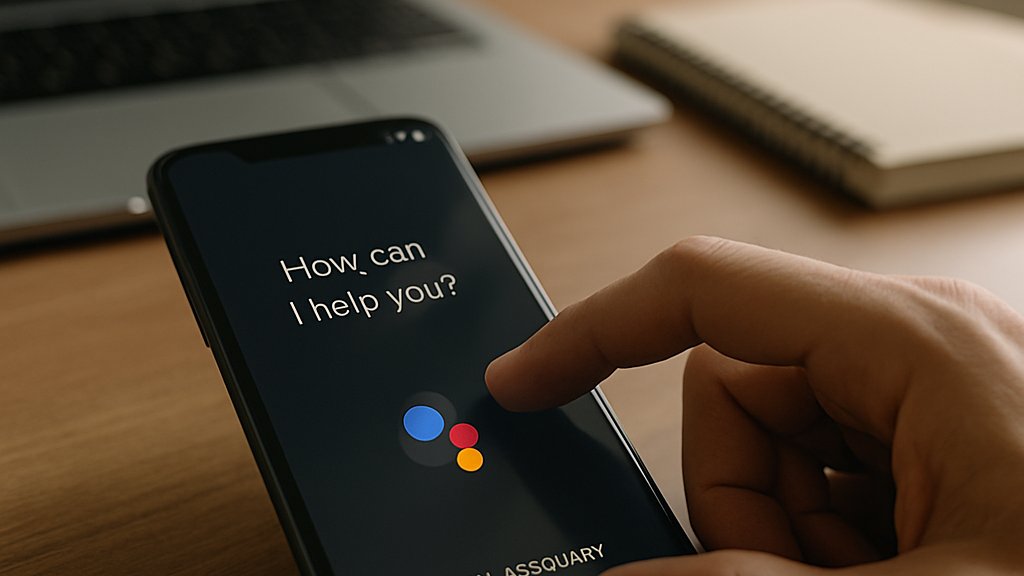
These numbers illustrate tangible financial accountability. However, the broader narrative hinges on how Apple retold its story onstage.
Demos Adopt Real Style
TechCrunch reporters said the WWDC demos resembled genuine taps rather than camera-tracked simulations. Furthermore, presenters held unlocked devices and completed tasks in single takes, enhancing AI Product Credibility again. Visual pauses, microphone hiss, and slight delays conveyed authentic latency. In contrast, WWDC 2024 featured briskly cut sequences that felt like aspirational ads. Moreover, viewers share clips on social media, analyzing frame drops and notification banners as reality markers. Such collective sleuthing nurtures communal trust while quickly exposing staged segments. Consequently, marketing teams worldwide monitor reception metrics during every developer keynote.
Realistic filming narrowed expectation gaps. Subsequently, attention shifted toward the technical foundation enabling that confidence.
Technical Shifts Underneath Siri
Behind the scenes, Apple Intelligence now delegates heavy reasoning to Google’s Gemini models through a negotiated partnership. However, initial intent processing still occurs on device to protect privacy and reduce network lag. Engineers also widened the API, letting third-party developers swap models for specialized domains. Consequently, Apple can disclaim responsibility for niche errors, softening potential product claims disputes. Moreover, Forrester predicts the assistant will become the primary interaction layer for all hardware categories. This architectural pivot signals expanding AI Product Credibility beyond mobile boundaries. Developers welcomed open model choice yet remained wary of latency variance. Nevertheless, the extent of control will determine sustained trust and platform loyalty.
These engineering moves illustrate Apple’s bid for scale and resilience. However, spotlight soon returned to communication strategy and updated guardrails.
Marketing Adjusts To Scrutiny
Apple marketing crews now storyboard demos with compliance officers sitting nearby. Additionally, every spoken promise maps to a shipping-date spreadsheet shared with legal counsel. The method intends to avoid fresh false ad settlement headlines. In contrast, previous campaigns relied on aspirational slogans that sometimes blurred readiness levels. Moreover, revised style guides instruct presenters to mention regional limitations explicitly. Consequently, AI Product Credibility becomes a measurable marketing objective alongside reach and sentiment. Teams track viewer retention inside the first 45 seconds of WWDC demos to gauge believability.
These process tweaks foreground accountability during storytelling. Subsequently, financial metrics reveal whether improved trust converts into hardware upgrades.
Metrics And Payout Math
Hard figures contextualize the narrative. For quick reference, examine the settlement and keynote data below.
- Proposed settlement amount: $250 million, motion filed May 5, 2026.
- Eligible devices: roughly 37 million bought between June 2024 and March 2025.
- Estimated per-device payout: $25 minimum, possible $95 upper bound.
- WWDC demos date: June 8, 2026, unveiling iOS 27 and rebuilt Siri.
Moreover, Apple Intelligence appears in developer beta today, with public release scheduled for autumn. These milestones supply analysts with early adoption signals. Therefore, they feed valuation models and competitive forecasts. Concise metrics strengthen AI Product Credibility discussions during earnings calls. Consequently, we shift from numbers to end-user privacy concerns.
Balancing Privacy And Reach
Craig Federighi emphasized that data leaves devices only when essential. However, global language support demands cloud scale, creating tension between convenience and confidentiality. Apple Intelligence splits workloads, executing summaries locally while sending heavy reasoning requests to Gemini. Moreover, users may soon choose among several foundation models, increasing flexibility yet complicating accountability. In contrast, Google’s Pixel AI remains a single-vendor stack, trading openness for simpler risk management. Consequently, vendors will measure success by sustained trust levels, not first-week download spikes. Privacy architecture therefore reinforces AI Product Credibility while addressing regional regulations. Next, professionals must decide how to leverage this shifting landscape.
Next Steps For Professionals
Enterprise leaders should benchmark real Siri latency before committing integration resources. Moreover, procurement teams can draft clauses referencing recent false ad settlement learnings to protect deliverable timelines. Developers ought to monitor WWDC demos replays for subtle API usage cues. Additionally, content strategists can study Apple marketing adjustments when framing their own product claims. Professionals can enhance storytelling expertise through the AI Writer™ certification. Such credentials further bolster AI Product Credibility inside boardroom discussions. Consequently, early movers may convert reputational gains into faster go-to-market cycles.
These recommendations fortify readiness against shifting consumer expectations. Meanwhile, the narrative continues evolving with each software beta.
Apple’s latest chapter shows that believable features, not superlatives, now anchor AI Product Credibility. However, financial liabilities, shifting architectures, and disputed product claims underscore persistent complexity. Moreover, stakeholders who measure latency, verify claims, and pursue certifications can navigate the turbulence confidently. Therefore, act now by auditing internal messaging, testing the iOS 27 beta, and securing specialized credentials. Such proactive steps transform risk into market advantage. Explore the linked AI Writer™ certification today and lead future conversations on responsible innovation.
Disclaimer: Some content may be AI-generated or assisted and is provided ‘as is’ for informational purposes only, without warranties of accuracy or completeness, and does not imply endorsement or affiliation.


