

AI CERTS
3 hours ago
AI Household Automation and the New Domestic Work Reality
Consequently, investors laud the shift while unions question algorithmic oversight. This report unpacks how marketing gloss intersects with wages, gender equity, and global policy momentum. Moreover, it explores where tools like ChatGPT and caregiving prompts genuinely lighten unpaid workloads. Readers will gain data-driven insight, balanced perspectives, and actionable next steps. Therefore, professionals can forecast market directions and shape ethical product roadmaps.
Rebranding Domestic Work Narratives
Urban Company’s March 2025 pivot from Insta Maids to Insta Help set the tone. In contrast, executives framed the swap as dignity for workers, not crisis management. Yet union organizers highlighted unchanged commission rates and unstable hours.
Additionally, similar tweaks appear across the creator economy, where influencers film cleaning hacks to monetise attention. Scholars argue these narratives recast centuries of feminised labour as subscription services driven by AI Household Automation. Early adopters tout AI Household Automation as an image upgrade for domestic service. Consequently, language shifts can obscure structural inequities.
A recent ILO estimate counts 75.6 million domestic workers, most informal and female. Therefore, symbolic upgrades alone cannot deliver fair pay.
Rebrands capture headlines yet rarely change working conditions. However, platform logics embedded in apps dictate the real value chain, steering us to platforms themselves.
Platforms Shape New Norm
On-demand platforms expanded eightfold during the last decade, according to ILO tracking. Meanwhile, algorithmic matching, surge pricing, and rating penalties reshape everyday service flows.
For households, AI Household Automation promises instant bookings and smart scheduling. Yet domestic workers report effective wages sometimes dropping below statutory minimums. Human Rights Watch documented punitive account suspensions linked to opaque metrics during 2025 inquiries.
Moreover, women at work often juggle platform gigs with unpaid family care. Such double shifts intensify fatigue even when apps advertise flexibility.
- Global domestic workers: 75.6 million; industry equals 2.3% of all employment.
- Unpaid care values near 9% of global GDP, several trillion dollars.
- Algorithmic underpayments sometimes reach 30% below promised rates.
Consequently, metrics clarify why labour advocates demand regulatory guardrails.
Platforms deliver convenience yet embed hidden costs for workers and households. In contrast, algorithmic governance now receives sharper scrutiny, opening space for reform.
Algorithmic Risks And Remedies
Algorithmic management assigns tasks, calculates pay, and disciplines performance within milliseconds. However, opacity leaves workers guessing about rating logic.
ChatGPT style dispute bots occasionally handle appeals but rarely overturn penalties. Labels promising AI Household Automation efficiency often mask suspended accounts and reduced pay.
Worker Voices Reveal Precarity
Interviews show cleaners refreshing apps hundreds of times to secure nearby jobs. Moreover, babysitters describe sudden downgrades after one late-night arrival.
Women at work face extra safety fears when entering unfamiliar homes at algorithmic whim. Nevertheless, emerging remedies surface.
Some unions negotiate transparency clauses, while governments draft rating audit mandates. Professionals can deepen understanding through the AI Human Resources™ certification.
Furthermore, results from pilot audits restored pay for 2,000 gig cleaners.
Algorithmic systems can erode wages, yet targeted audits improve accountability. Therefore, attention now turns to robotic tools marketed as complementary solutions.
Robotics Enter Everyday Homes
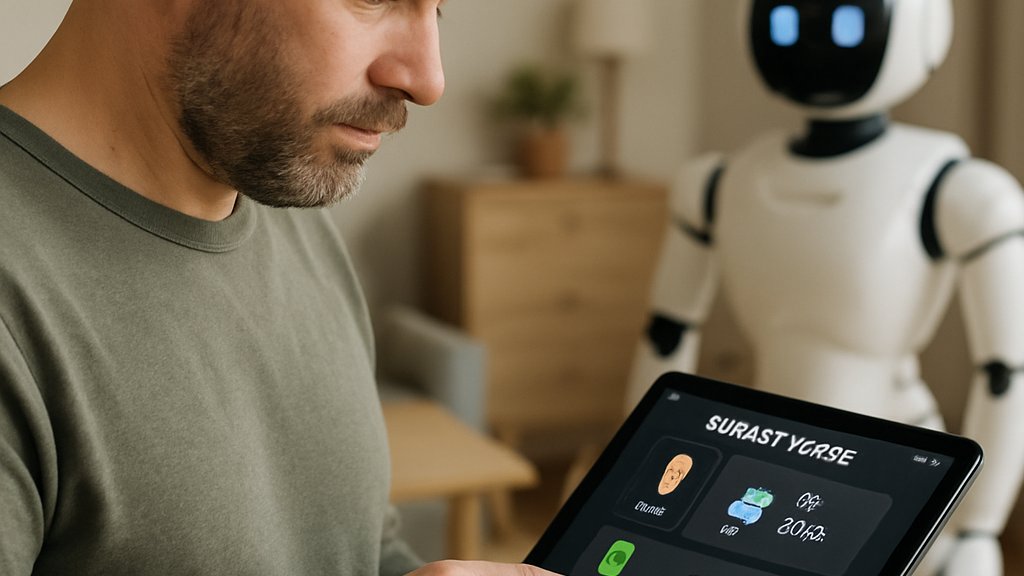
Vacuum robots, voice assistants, and social companions now package AI Household Automation as tangible hardware. iRobot integrated on-device vision to map clutter efficiently.
Intuition Robotics secured Medicaid approval for ElliQ, supporting older adults with medication reminders.
Partial Home Automation Limits
Despite marketing, robots handle narrow, repetitive tasks. Consequently, childcare, cooking, and emotional care remain human intensive.
Caregivers still perform household planning around robot limitations. However, caregiving prompts delivered through ElliQ nudge hydration and social engagement.
ChatGPT inspired language models personalise these prompts, increasing adherence among pilot participants. Moreover, some families label ElliQ their digital coparent, though responsibilities remain uneven.
Women at work sometimes feel devices add troubleshooting chores, not relief. Nevertheless, pilot data reports loneliness declines of 20% among seniors.
Consumers equate spotless floors with successful AI Household Automation rollouts.
Robotics ease routine surfaces yet cannot replace empathetic labour. Subsequently, policymakers acknowledge limits and invest in broader care infrastructure.
Policy Momentum Around Care
Governments and multilaterals now frame care as economic infrastructure. The ILO’s 5R agenda urges states to recognise, reduce, redistribute, reward, and represent care tasks.
Consequently, AI Household Automation features in debates on public investment. Washington State’s ElliQ procurement exemplifies technology subsidies aimed at reducing long-term costs.
In contrast, European regulators prepare directives covering platform transparency and minimum pay. Furthermore, tax credits encourage household planning apps that integrate caregiving prompts.
These shifts create demand for professionals skilled in ethical algorithm design. Creators emerging from the creator economy now consult on inclusive voice interfaces.
Moreover, digital coparent tools enter public benefits discussions.
Policy levers can amplify equitable tech adoption while deterring exploitation. However, workforce skills must evolve to operationalise these standards.
Upskilling For Future Households
Employers seek talent blending data science, sociology, and care expertise. Therefore, AI Household Automation strategy roles appear across startups and governments.
Professionals upskill through micro credentials, hackathons, and peer forums. Additionally, ChatGPT workshops train designers to craft culturally sensitive caregiving prompts.
Women at work benefit when training includes safety analytics and scheduling autonomy principles. Graduates often pivot into digital coparent product teams, supporting inclusive household planning.
Meanwhile, influencer engineers translate know-how into creator economy revenue streams. Learners can validate expertise with the AI Human Resources™ credential.
Consequently, the labour market gradually rewards transparent, worker-centric automation.
Upskilling closes capability gaps and empowers more equitable system design. Subsequently, stakeholders can advance responsible automation agendas.
Domestic labour is transforming through marketing spins, platform algorithms, and emerging robots. However, inequities persist despite AI Household Automation promises.
Data shows wages lag, tasks remain gendered, and automation solves only narrow chores. Yet policy momentum, audit tools, and professional certifications present viable remedies.
Moreover, ChatGPT driven caregiving prompts and digital coparent models offer incremental relief. Consequently, leaders must pair design creativity with labour standards.
Explore advanced courses like the linked AI Human Resources™ certification to steer ethical innovation. Act now to shape fair, inclusive household technology.
Disclaimer: Some content may be AI-generated or assisted and is provided ‘as is’ for informational purposes only, without warranties of accuracy or completeness, and does not imply endorsement or affiliation.


