

AI CERTs
4 hours ago
AI Receptionists and Labor Displacement Crisis in Offices
Phones ring nonstop, yet many offices struggle to answer every caller. Consequently, vendors now market voice AI that promises perfect coverage and lower costs. This shift sparks concern about a looming Labor Displacement Crisis for traditional receptionists. Moreover, analysts debate whether the technology will augment human roles or replace them completely. Our report examines trends, statistics, risks, and best practices shaping AI answering services. We also highlight Missed Call Efficiency gains, 24/7 Availability benefits, and CRM Integration requirements. Additionally, we assess Automation Adoption trajectories across enterprises and small businesses. By the end, readers will understand opportunities, threats, and certification pathways in this transforming space. Nevertheless, compliance obligations and caller experience expectations demand careful deployment. Therefore, leaders must balance innovation with accountability before scaling voice AI receptionists.
Market Momentum Overview Stats
Demand for conversational voice AI has accelerated during the past eighteen months. Meanwhile, major collaboration vendors launched production offerings rather than isolated pilots. Grand View Research expects double-digit CAGR for voice agents through 2030. Consequently, the market already spans low double-digit billions in annual revenue. Gartner reports most customer-service leaders are piloting agentic voice systems today. Moreover, companies seek Missed Call Efficiency to capture every lead. 24/7 Availability is rated critical by 67% of surveyed clinics. CRM Integration also appears on most procurement checklists. Rapid deployment therefore seems inevitable across verticals.
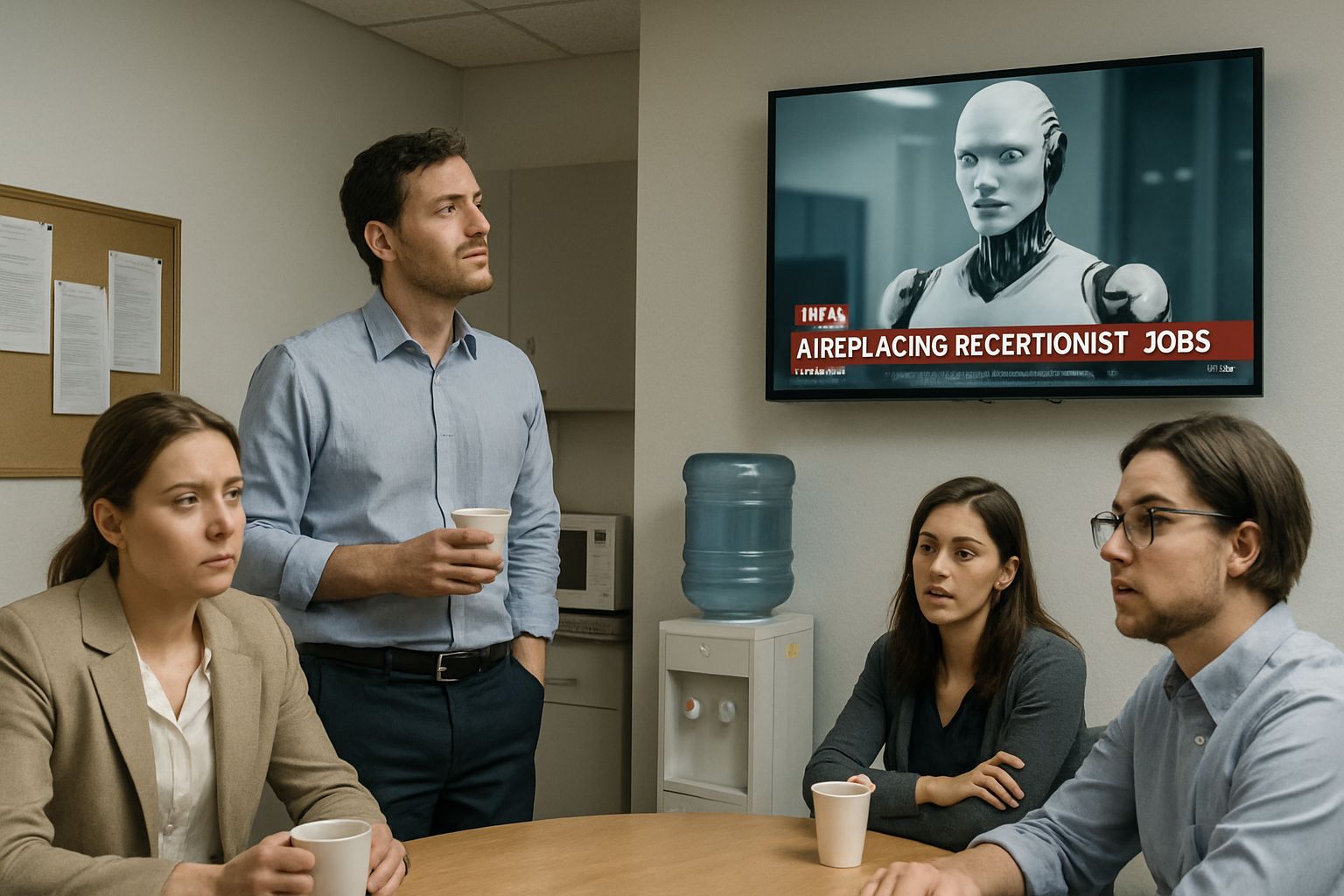
- Zoom, Cisco, and RingCentral all shipped AI receptionist products in 2025.
- BLS lists more than one million U.S. receptionist roles vulnerable to automation.
- RingCentral investor slides cite 15% fewer missed calls within three months.
- Early pilots show 30% scheduling lift during overnight hours.
These statistics confirm strong momentum despite early stage maturity. However, technology capabilities underpinning the surge deserve closer inspection. The Labor Displacement Crisis could intensify if this growth continues unchecked.
Technology Stack Advances Today
AI receptionists combine automatic speech recognition, natural language understanding, dialog management, and text-to-speech. Additionally, modern stacks incorporate action APIs that let agents schedule meetings or update records automatically. Zoom’s Virtual Agent for Voice ties into Zoom Phone and electronic health records through secure connectors. In contrast, Cisco plans Webex Calling AI Receptionist with dashboard supervision and confidence thresholds. RingCentral’s AIR suite embeds custom prompt engineering tools for brand voice consistency.
Deepgram, AssemblyAI, and ElevenLabs supply modular speech components under HIPAA-eligible agreements. Consequently, healthcare providers can address privacy while achieving 24/7 Availability for patients. However, inaccurate recognition of names or symptoms still risks misrouting sensitive calls. Therefore, hybrid human takeover remains a recommended safeguard. Strong CRM Integration further reduces context loss during escalations.
The stack is maturing quickly, yet deployment success depends on perceived business value. Subsequently, organizations evaluate tangible drivers before funding large rollouts. Ignoring such due diligence can worsen the Labor Displacement Crisis narrative.
Business Value Drivers Explored
Boards authorize voice AI when financial and experiential gains outweigh switching costs. Moreover, Missed Call Efficiency translates directly into captured revenue, especially for appointment-driven practices. Zoom says clinics reduced abandoned calls by 25% during nights and weekends. 24/7 Availability also improves Net Promoter Scores among impatient digital consumers. Simultaneously, CRM Integration eliminates double entry and ensures marketing attribution accuracy.
- Lower cost per answered call versus human coverage.
- Consistent greeting and compliance scripting across locations.
- Scalable multilingual support without incremental headcount.
- Automatic analytics for continuous optimization.
Consequently, CFOs see rapid payback periods, often under one year. However, reputational damage from poor voice quality could erase those gains. Therefore, Automation Adoption must include robust monitoring and retraining plans. Otherwise, the Labor Displacement Crisis conversation will overshadow efficiency narratives.
Risk And Mitigation Strategies
Not every call suits automated handling. Nevertheless, many risks can be mitigated through policy and architecture choices. Misrecognition, privacy violations, and brand tone inconsistencies top the threat list. Moreover, state recording laws require explicit consent before capturing audio. Healthcare deployments demand HIPAA Business Associate Agreements and encrypted storage.
Hybrid handoff thresholds address uncertain intent or emotional distress. Supervisors can monitor live transcripts and take control within seconds. Consequently, caller trust improves while systems learn from human resolutions. Meanwhile, detailed QA dashboards surface systemic weaknesses for rapid remediation. Regular audits prevent drift and protect data fidelity.
Proactive governance minimizes backlash and financial exposure. Subsequently, leaders can discuss efficiency gains without neglecting Labor Displacement Crisis sensitivities. Sustained Missed Call Efficiency hinges on high recognition accuracy. Round-the-clock coverage loses value if after-hours compliance fails.
Workforce Impact Debate Now
Unions warn that AI receptionists threaten entry-level administrative positions. In contrast, vendors frame their tools as productivity enablers rather than layoffs. BLS projects flat receptionist employment, yet micro trends show shifts toward client tasks. Moreover, some companies reskill staff into customer success or AI supervision roles. These redeployments could soften the headline Labor Displacement Crisis effects.
Independent economists, however, predict faster displacement in small retail and hospitality firms. Consequently, policymakers discuss upskilling grants and portable benefits for affected workers. Organizations can support transitions through funded training on conversational design and QA. Professionals can validate skills via the AI Data Robotics™ certification. AI rollout therefore creates new technical roles even while reducing clerical openings.
The human story remains evolving and nuanced. Nevertheless, transparent change management reduces cultural resistance. Clear communication also reframes the Labor Displacement Crisis as workforce evolution.
Implementation Best Practices Guide
Successful pilots begin with narrow, well documented call intents. Therefore, teams map high volume FAQs and schedule requests first. Subsequently, they define immediate escalation rules for emergencies and legal topics. Comprehensive CRM Integration ensures data flows seamlessly between voice AI and agents. Continuous optimization uses transcript sampling, A/B routing, and supervised retraining.
Additionally, managers compare Missed Call Efficiency metrics before and after deployment. 24/7 Availability figures should correlate with higher booked appointments overnight. Moreover, Automation Adoption KPIs may include reduction in average wait time. Regular security reviews validate encryption, retention limits, and vendor subprocessor disclosures. Consequently, compliance teams remain comfortable scaling the solution enterprise-wide.
These practices deliver sustainable results without compromising customer trust. Therefore, expanded rollouts can proceed despite ongoing Labor Displacement Crisis debates.
Voice AI receptionists are no longer experimental; they operate in thousands of phone workflows today. Higher call efficiency, 24/7 Availability, and CRM Integration gains motivate continued Automation Adoption. However, leaders must anticipate the Labor Displacement Crisis and invest in reskilling programs. Consequently, rigorous governance and hybrid escalation policies shelter brands from customer backlash. Professionals can future-proof careers and bridge the Labor Displacement Crisis by securing specialized certifications. Explore the linked AI Data Robotics™ course and begin mastering conversational AI oversight today.


