

AI CERTS
3 hours ago
Mercor Security Incident: Lessons from LiteLLM Supply-Chain Hack
Meanwhile, threat analysts still investigate how far stolen credentials traveled. Nevertheless, early evidence already signals widespread risk across cloud workloads. Therefore, decision makers must understand the sequence before redesigning defences. This introduction sets the stage for that critical discussion. Subsequently, we dive into the full attack timeline. In contrast, many earlier supply-chain incidents lingered undetected for months. Here, the malicious code lived online only hours, yet damage still emerged. Consequently, automation in CI pipelines amplified exposure within minutes of release.
Full Attack Timeline Overview
On March 19, the TeamPCP hacking crew compromised defensive tooling pipelines. Subsequently, they harvested publishing tokens from Aqua’s Trivy GitHub Action. Four days later, the attackers struck again. They pushed two malicious LiteLLM builds to PyPI within fifteen minutes. Moreover, version 1.82.8 included a .pth startup hook for persistence. PyPI maintainers detected anomalies and quarantined both files later that day. Despite the short window, the Mercor Security Incident occurred during that period. Consequently, thousands of automated builds likely fetched backdoored code.
Analysts fear large-scale data theft, though evidence remains sparse. Researchers from Snyk later reconstructed exact upload timestamps. Meanwhile, Endor Labs traced the supply-chain chain linking Trivy to the gateway. In contrast, earlier campaign nodes targeted Checkmarx actions. Therefore, the timeline evidences deliberate lateral movement across DevSecOps infrastructure. These dates illustrate rapid escalation. However, understanding code behavior matters even more.
Malicious Package Mechanics Explained
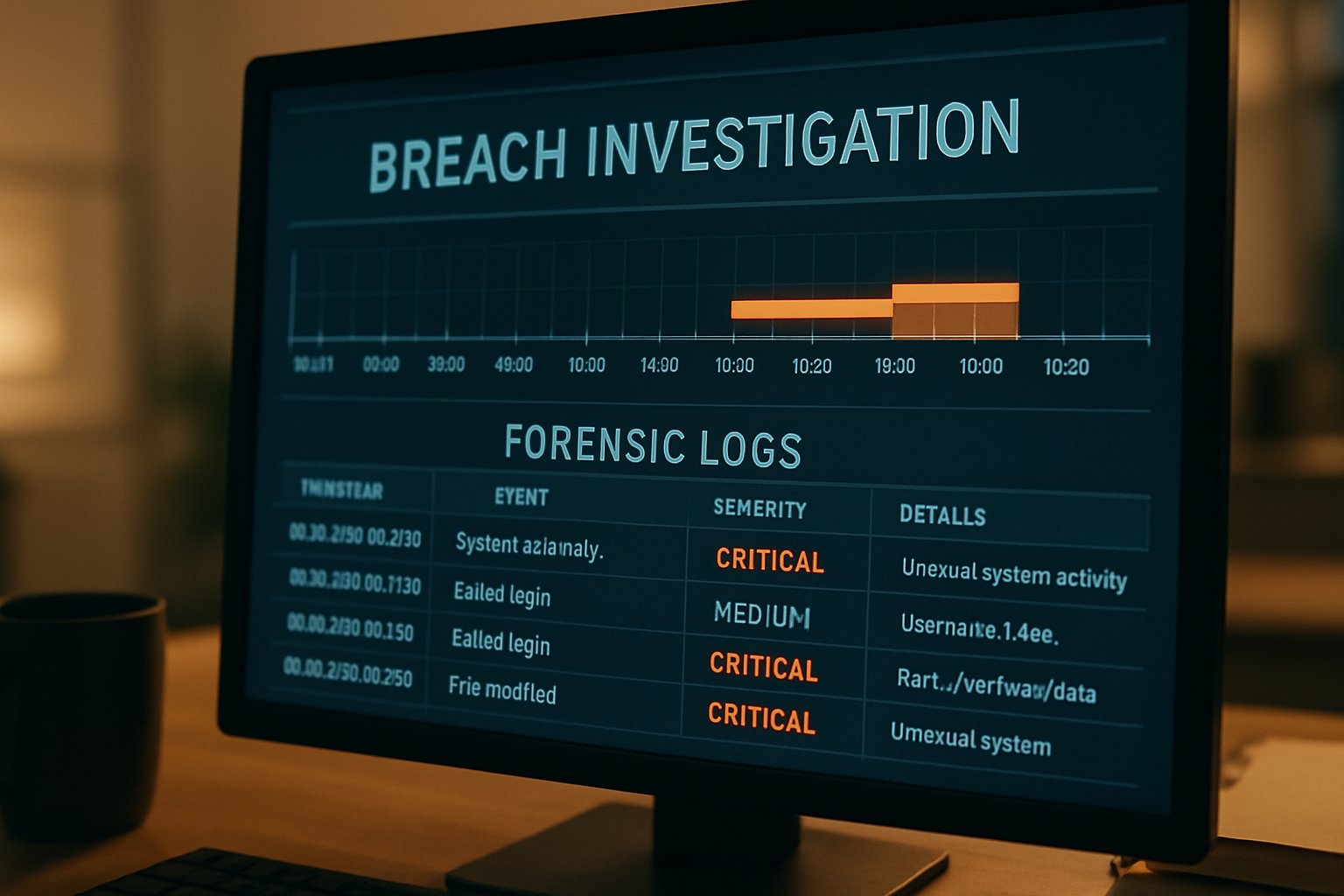
Security analysts decompiled the poisoned source to reveal multi-stage loaders. Firstly, litellm_init.pth executed at every Python interpreter launch. Consequently, no import statement was required for compromise. The loader decoded embedded blobs that scanned for SSH keys and cloud tokens. Moreover, it attempted lateral movement via privileged Kubernetes pods. The hacking crew embedded fallback domains to evade takedowns. Encrypted archives then streamed outbound over HTTPS to attacker servers.
During analysis of the Mercor Security Incident, forensics teams recovered identical payloads. Researchers saw the same hash present in version 1.82.7. Subsequently, ARMO confirmed both variants harvested .env configuration files. Therefore, tooling weaknesses directly precipitated another Mercor Security Incident risk vector. Furthermore, Endor Labs noted the absence of corresponding GitHub release tags. These mechanics demonstrate stealthy yet simple design. Next, we examine Mercor’s containment strategy.
Mercor Immediate Response Steps
Mercor learned of compromise within hours of PyPI quarantine. Consequently, engineers isolated affected CI runners and developer laptops. They rolled back LiteLLM to version 1.82.6 across all environments. Furthermore, every secret potentially exposed underwent forced rotation. Official statements stressed that the Mercor Security Incident was quickly contained. Nevertheless, a Lapsus$ extortion note soon appeared online. Attackers claimed possession of proprietary training data. However, those data theft claims remain unverified.
Meanwhile, Mercor hired a top digital forensics firm to audit logs. Subsequently, regulators were briefed about the Mercor Security Incident and possible customer exposure. Mercor’s swift moves limited immediate blast radius. However, broader ecosystem lessons demand attention.
Broader Ecosystem Risk Lessons
AI development stacks rely on thousands of transitive dependencies. Consequently, one poisoned library can endanger entire production fleets. ARMO telemetry records roughly 95 million LiteLLM downloads each month. Therefore, even a four-hour exposure endangers significant workloads. In contrast, SolarWinds attackers lingered for weeks before detection. Moreover, the TeamPCP hacking crew chained multiple scanners before reaching the gateway. That approach bypasses traditional perimeter monitoring. Subsequently, security teams advocate artifact signing and short-lived publish tokens.
Widespread data theft would trigger regulatory fines and customer attrition. However, open-source maintainers worry about added friction. The Mercor Security Incident reignites debate over balance between speed and control. Nevertheless, consensus favors stronger provenance checks. These lessons extend beyond one package. Next, we outline concrete remediation.
Detection And Remediation Checklist
Responders should begin with inventory discovery. Firstly, search all systems for litellm versions 1.82.7 or 1.82.8. Roll back or remove when found. Moreover, rotate every credential accessible from those hosts. Consequently, cloud accounts regain integrity quickly.
- Look for sysmon.service and tpcp.tar.gz artifacts.
- Audit Kubernetes clusters for unexpected privileged pods.
- Inspect ~/.config/sysmon directories on developer machines.
- Enable artifact signing in CI workflows.
Key Compromise Indicators Found
Investigators shared several high-fidelity indicators. For example, SHA256 hash f6a… appears in both malicious wheels. Additionally, outbound traffic to api.tpcp[.]io merits attention. In contrast, legitimate LiteLLM versions contact only provider endpoints. Therefore, network telemetry offers quick triage opportunities.
Professionals can enhance defensive expertise with the AI Learning Development™ certification. Moreover, structured training supports faster incident recovery. Completing such programs prepares teams for the next Mercor Security Incident scale event. These tasks restore trust quickly. Finally, we consider future strategy.
Future Supply-Chain Security Outlook
Supply-chain visibility will dominate audit agendas during 2026. Consequently, vendors will adopt Sigstore and similar attestation frameworks. Moreover, application gateways like LiteLLM may move to reproducible builds. In contrast, attackers will continue targeting unpinned dependency chains. Therefore, governance must enforce mandatory version pinning and expiration-based tokens. Attack methods will evolve as each hacking crew tests new CI exploits. Adopting these controls reduces Mercor Security Incident style exposures. Proactive change beats reactive firefighting. We now close with key takeaways.
The LiteLLM compromise proves that modern software supply chains remain brittle. Nevertheless, rapid discovery and disciplined response limited chaos for Mercor. Stakeholders following the checklist above can replicate that containment playbook. Furthermore, executives should resource sustained provenance initiatives, not episodic audits. Therefore, teams avoid repeat incidents and costly data theft. Professionals pursuing structured upskilling reinforce organisational resilience. Consequently, consider enrolling in the linked certification to deepen skills. Together, these efforts ensure the Mercor Security Incident remains a cautionary, not recurring, story. Stay vigilant, learn continuously, and safeguard the future of AI innovation.


