

AI CERTS
3 hours ago
Meta’s Gas Bet Reshapes Data Center Energy Strategy
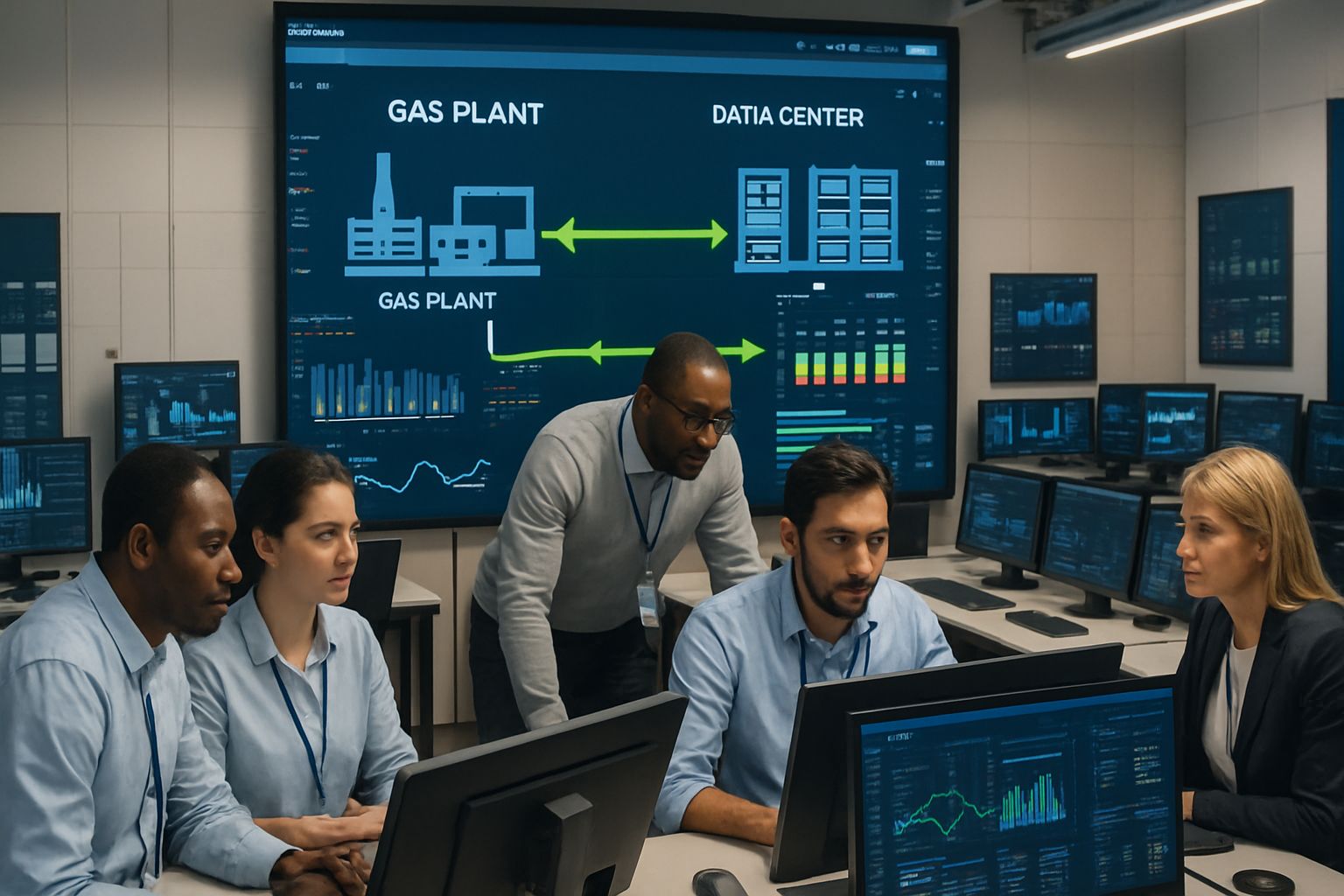
Meanwhile, parallels emerge in states such as South Dakota, where smaller projects test similar models. Nevertheless, Hyperion’s sheer size sets a new benchmark for digital growth.
Hyperion Deal Overview Details
The Hyperion campus already spanned 2,250 acres. Additionally, Meta quietly bought another 1,400 acres, raising the footprint to 3,650 acres. Entergy’s latest filing adds seven units to three earlier-approved stations, totaling 10 plants and roughly 7.5 GW of capacity.
Combined-cycle technology boosts efficiency by reusing exhaust heat. Consequently, Meta expects dispatchable power that aligns with round-the-clock AI workloads. Entergy says Meta will fund every gas asset, shielding other customers from cost risk.
Furthermore, the project bundles 240 miles of 500 kV transmission, battery storage, and a pledge to examine nuclear and renewables. These measures, Entergy argues, create durable infrastructure benefits for Louisiana’s grid.
These fundamentals outline the transaction’s breadth. However, the finer financing details warrant closer scrutiny ahead.
Gas Expansion Numbers Explained
Scale defines Hyperion’s next phase. Consequently, numbers tell the clearest story:
- 10 plants deliver 7,462 MW of new capacity.
- Estimated spend reaches nearly $11 billion for generation alone.
- The wider campus could cost $27 billion, according to JV filings.
- Meta targets up to 5 GW of IT load once complete.
Moreover, EPRI modeling projects U.S. data centers could consume up to 9 percent of national electricity by 2030. Hyperion therefore illustrates a macro trend where Data Center Energy demands shape utility planning.
Entergy cites local economic upside. Meanwhile, critics worry the gas commitment locks emissions for decades. These statistics frame the debate. Therefore, observers weigh reliability against climate risk before the next regulatory round.
Regulatory And Financing Steps
Louisiana’s Public Service Commission approved the first three stations in August 2025. Subsequently, Meta formed a joint venture with Blue Owl Capital, assigning 80 percent ownership to the fund manager. The JV issued bonds backed by Meta’s lease and residual value guarantees.
However, advocacy groups—led by Earthjustice, Alliance for Affordable Energy, and UCS—filed motions seeking a prudence review. They argue evolving terms might expose ratepayers once the initial lease expires.
Additionally, LPSC Docket U-37425 now includes calls for full contract disclosure. In contrast, Entergy claims customer protections already exist. The financing architecture therefore remains under commission microscope.
These legal steps could reshape timelines. Nevertheless, Meta continues site work while proceedings unfold.
Stakeholder Perspectives Diverge Widely
Rachel Peterson, Meta’s data-center chief, stresses reliability first. Meanwhile, Entergy CEO Phillip May touts customer savings and modernized infrastructure. Local officials applaud thousands of construction jobs and 500 permanent roles.
Conversely, Jessica Hendricks from Alliance for Affordable Energy warns of potential bill shocks. Moreover, environmental advocates fear long-term fossil dependence despite talk of future carbon capture.
Comparative cases in South Dakota show smaller utilities negotiating shorter contracts for hyperscale loads. However, none match Hyperion’s 10 plants scale.
These diverging views spotlight risk allocation. Consequently, policymakers face pressure to balance growth and sustainability.
Grid Impact Context Analysis
EPRI researchers estimate AI-driven facilities could equal the load of several mid-sized states by 2030. Therefore, planners must secure firm generation while building renewables.
Hyperion’s gas fleet offers immediate capacity. Nevertheless, it challenges Meta’s public carbon goals. Furthermore, transmission upgrades may unlock regional renewable imports, including projects in South Dakota.
Industry peers like Google and Microsoft pursue nuclear pilots instead of large gas arrays. In contrast, Meta argues mixed portfolios lower risk. As a result, the company integrates nuclear contracts alongside natural gas.
These dynamics illustrate evolving Data Center Energy strategies. However, open questions persist about lifecycle emissions.
Mitigation And Future Options
Meta pledges to evaluate hydrogen co-firing and carbon capture retrofits. Additionally, the utility partnership sets aside land for potential small modular reactors.
Professionals can deepen expertise through the AI Cloud Architect™ credential. Consequently, leaders gain tools to benchmark emerging power technologies.
Moreover, Entergy will procure 300 MW of battery storage to buffer renewable variability. Similar pilots in South Dakota inform design choices.
These measures could trim operational emissions. Nevertheless, success hinges on regulatory support and capital availability.
Data Center Energy pathways remain fluid. Therefore, adaptive planning becomes essential for long-term competitiveness.
Conclusion And Next Steps
Meta’s Hyperion build underscores rising Data Center Energy imperatives. Furthermore, the commitment to 10 plants highlights how hyperscale ambitions can reshape regional grids.
Regulatory reviews, financing transparency, and advanced infrastructure deployment will dictate outcomes. Meanwhile, lessons from South Dakota and other markets inform broader policy.
Consequently, professionals must track evolving requirements, technology costs, and stakeholder expectations. Mastery of these factors will differentiate future leaders.
Nevertheless, opportunity abounds. Equip your team, explore certifications, and engage decision-makers to drive sustainable Data Center Energy strategies today.


