

AI CERTS
3 hours ago
Shaklee Canada at 50: Nutrition Innovation Growth Story
However, direct-selling economics and clinical evidence remain under close scrutiny from regulators and academics. This article examines how Shaklee’s strategies, acquisitions, and community model intersect to drive the milestone. Readers will gain data, context, and balanced insight for strategic decisions.
Fifty-Year Canadian Market Milestone
Shaklee Canada started operations in 1976 from a small warehouse in Georgetown, ON. Today, the subsidiary reports its strongest fiscal performance in decades. April’s release confirmed 58% product sales growth during the last twelve months. Additionally, more than 17,000 new Ambassadors joined, lifting the network by 38%. General Manager Jackie McClements stated, “Our growth comes from loyal customers and fresh audiences discovering Shaklee.” Therefore, Nutrition Innovation Growth appears woven into both customer and distributor metrics.
Independent market data reinforces the narrative. Mordor Intelligence values Canada’s natural health market at USD 8.96 billion in 2025 with 7.7% CAGR. Meanwhile, Grand View Research pegs dietary supplements at USD 4.02 billion in 2024, growing 9.5% annually. Consequently, Shaklee’s 58% surge outpaces macro trends severalfold. However, absolute revenue figures were not disclosed, leaving outsiders to estimate material scale.
Shaklee’s headline numbers eclipse sector averages and spotlight Georgetown, ON once again. However, missing base figures warrant additional verification before drawing definitive conclusions. The next section explores how a strategic acquisition fueled this expansion.
Collagen Deal Drives Surge
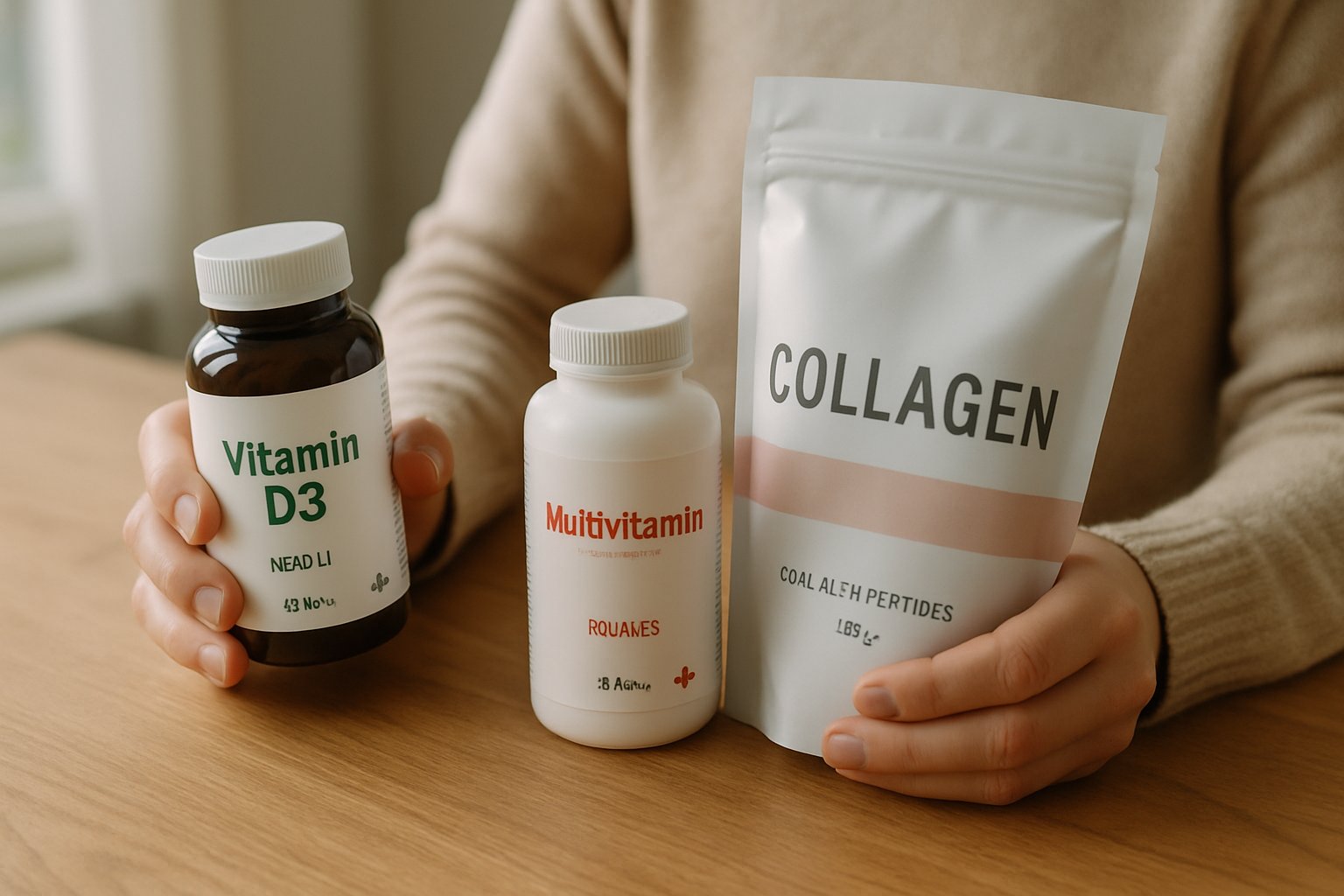
In May 2025, Shaklee acquired Modere assets, securing exclusive Liquid BioCell collagen rights. Roger Barnett called the transaction “a new home for former Modere marketers” during the announcement. Subsequently, Shaklee branded Liquid BioCell iterations for the Canadian market and bundled launch promotions. Moreover, collagen now anchors the firm’s longevity wellness positioning. Clinical studies cited by BioCell Technology suggest improved skin hydration and joint function, yet sample sizes remain small. Nevertheless, Shaklee markets the formulation as a science-backed solution aligned with Nutrition Innovation Growth.
Key deal results reported over twelve months include:
- 58% year-over-year product sales growth in Canada.
- 38% increase in Ambassador community.
- 17,000+ new community members, many migrating from Modere lists.
- Liquid BioCell launches accounting for a significant share of incremental revenue, according to management.
The Liquid BioCell acquisition clearly accelerated Nutrition Innovation Growth across product and people metrics. However, integrating assets brings operational complexity, prompting careful supply-chain management. Understanding the direct selling engine behind these numbers is therefore essential.
Direct Selling Model Analysis
Shaklee relies on a multilevel Ambassador framework to reach consumers nationwide. Consequently, distributors purchase inventory at wholesale, resell, and recruit others for overrides. This approach amplifies word-of-mouth but attracts regulatory scrutiny regarding income claims. Canadian press outlets caution that many participants earn little despite marketing hype. In contrast, Shaklee cites community support, training, and a sustainability mission as differentiators. Georgetown, ON events showcase peer coaching and science-backed product demonstrations.
Available data shows earnings skewed toward upper tiers, a common pattern in direct selling. Therefore, new Ambassadors should evaluate starter costs, expected sales velocity, and compliance resources. Professionals can enhance their expertise with the AI+ Cloud Strategist™ certification. Such external learning supports objective assessment of digital commerce tactics and Nutrition Innovation Growth.
The Ambassador model magnifies Shaklee’s reach yet raises income distribution questions. Consequently, potential joiners must weigh upside against well-documented risks before committing. Market context further clarifies competitive dynamics.
Supplement Market Outlook Canada
Analysts forecast robust demand for supplements as aging populations seek longevity wellness solutions. Mordor Intelligence projects the nutraceutical segment to hit USD 13.87 billion by 2031. Grand View Research forecasts almost 10% annual growth for dietary supplements through 2030. Therefore, companies displaying Nutrition Innovation Growth patterns may capture disproportionate value. However, Health Canada categorizes supplements under Natural Health Products, requiring NPN numbers for each formula.
Compliance, labeling, and adverse event reporting remain critical as product portfolios expand. Moreover, third-party labs occasionally detect contaminants in collagen supplements, underscoring ongoing safety vigilance. Shaklee claims rigorous quality controls and over 120 clinical or science-backed validations. Independent verification of Canadian lots would strengthen stakeholder confidence.
Overall, macro tailwinds favor Shaklee, yet regulatory diligence cannot lapse. Consequently, operational excellence will distinguish winners in Georgetown, ON and beyond. Examining emerging opportunities and challenges provides deeper perspective.
Opportunities And Emerging Challenges
Shaklee enjoys several strategic advantages. Firstly, brand heritage spanning seven decades bolsters credibility among older consumers. Secondly, the sustainability narrative resonates with environmentally conscious buyers. Thirdly, Nutrition Innovation Growth around collagen capitalizes on the longevity wellness megatrend. Additionally, digital tools enable Ambassadors to manage inventory and outreach efficiently.
Nevertheless, risks accompany the upside. Earnings disparity within multilevel systems invites media and regulator attention. Scientific uncertainty persists because collagen trial sizes remain modest despite science-backed branding. Integration of Modere systems could strain logistics if demand spikes faster than forecasts.
Prospects appear bright yet depend on disciplined execution and transparent communication. Therefore, leadership must balance ambition with evidence-based stewardship. Executives and Ambassadors alike can benefit from clear strategic guidance.
Strategic Takeaways Moving Forward
Several actionable insights emerge from the Shaklee case. Brands pursuing Nutrition Innovation Growth should anchor messaging in credible, peer-reviewed science. Moreover, scalable community infrastructure and fair revenue sharing foster sustainable momentum. Companies operating from small hubs, including Georgetown, ON, can leverage digital reach for national impact. Consequently, acquiring complementary intellectual property accelerates portfolio relevance inside crowded supplement aisles.
Investors should request absolute revenue and earnings data before extrapolating growth headlines. Regulators and academics must continue monitoring health claims, especially within longevity wellness marketing. Meanwhile, distributor candidates should analyze cost structures against average earnings tables.
Transparent numbers and validated science convert buzz into durable market share. Subsequently, these pillars will decide Shaklee’s trajectory beyond the anniversary halo. A concise recap underscores the narrative arc.
Shaklee Canada’s 50th birthday illustrates how disciplined strategy can convert heritage into Nutrition Innovation Growth. Collagen acquisitions, Ambassador engagement, and sustainability pledges each reinforce this Nutrition Innovation Growth theme. However, earnings transparency and evidence depth will determine credibility among regulators and science-backed critics. Consequently, independent studies, NPN compliance, and fair distributor policies remain mission-critical checkpoints. Stakeholders seeking competitive advantage should track execution metrics and emerging guidance from Health Canada. For deeper commercial insight, professionals can explore advanced frameworks or pursue the highlighted certification to sharpen strategy.


