

AI CERTS
4 hours ago
DHS Self-Deportation Ads Ignite Political AI Propaganda Conflict
Moreover, congressional committees have opened queries into ad spending and data transparency. US Embassy Mexico consular staff have fielded nervous calls about app instructions and legal exposure. Consequently, public fury is cresting across social platforms and immigrant communities. This article unpacks the timeline, numbers, controversies, and strategic stakes shaping the unfolding debate. In contrast, observers see a textbook Political AI Propaganda Conflict that could reset migration policy outreach.
Campaign Timeline And Rollout
March 10, 2025 marked the software pivot from CBP One to CBP Home. Subsequently, DHS added a self-deportation reporting tool that promised fewer fines and faster exit processing. May announcements offered free flights plus a $1,000 stipend to early users. Furthermore, June guidance forgave prior civil penalties for those registering through the app.
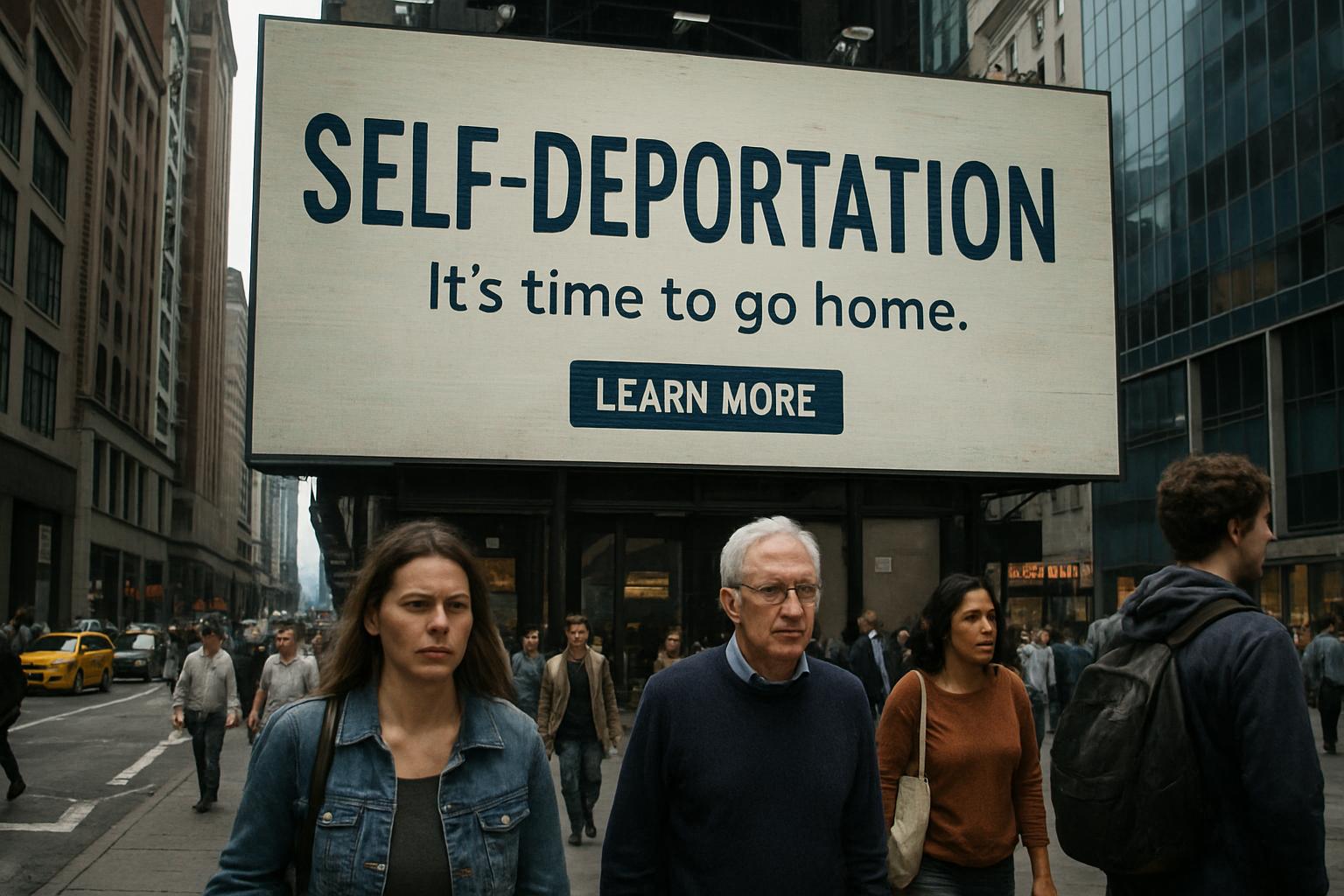
Independent investigators later confirmed only 17,406 departures had actually concluded by December 2025. Nevertheless, White House posts touted numbers exceeding one hundred thousand. Consequently, analysts framed the mismatch as further evidence of a Political AI Propaganda Conflict. US Embassy Mexico officials faced urgent questions as messaging spread through Central American networks. These events illustrate a compressed rollout schedule that limited public vetting.
The accelerated calendar heightened confusion across borders. Next, funding mechanics show equally sharp trade-offs.
Program Funding And Incentives
Initial DHS budgets projected massive savings versus detention, citing $17,121 per enforced removal. Moreover, officials claimed stipends and flights would cost far less per participant. Holiday promotions even raised stipends, yet payment delays later emerged. CNN uncovered contractor testimony revealing 35,000 stipends authorized but only half completed.
- 72,000 sign-ups reported by March 2026
- 17,406 confirmed departures by December 2025
- Up to $915M contract ceiling for logistics vendor Salus
Consequently, watchdogs accused DHS of opaque accounting and selective milestones. In contrast, proponents emphasized that voluntary travel minimized detention trauma and supported dignified exits. This rhetorical duel intensified the broader Political AI Propaganda Conflict. Migration policy experts remained split on measurable savings.
The financial picture therefore stays contested among analysts. Attention now shifts toward the campaign’s controversial media strategy.
AI Media Backlash Grows
Government social channels released upbeat clips featuring synthetic families boarding planes home. However, many videos used copyrighted pop songs without artist permission. Musicians filed takedowns, sparking public fury and negative headlines. Meanwhile, policy critics decried the clips as potential political deepfakes that manipulated emotions. Moreover, platforms questioned whether agencies should label synthetic media under disinformation guidelines.
The US Embassy Mexico Facebook page quietly paused resharing content after regional backlash. Consequently, DHS released a brief FAQ acknowledging limited AI usage but denying intent to deceive. Observers nevertheless saw the statement as another front in the Political AI Propaganda Conflict.
Artist anger underscored reputational threats for future AI outreach. Legal ramifications now converge with ethical concerns.
Legal And Ethical Risks
AILA practice alerts warned migrants about in-absentia removal orders and decade-long bars. Furthermore, critics argued that courtroom flyers pressured respondents to abandon viable defenses. Voluntary departure remains distinct from the CBP Home self-reporting concept, a nuance many users missed. Consequently, migration policy attorneys documented cases where participants lost re-entry opportunities unknowingly.
Data privacy concerns also emerged, because the app captures biometric and location metadata. In contrast, DHS insists the data assist only departure logistics and enforcement prioritization. Nevertheless, oversight committees requested detailed retention schedules and deletion protocols. These developments further fuel the Political AI Propaganda Conflict narrative.
Unresolved rights questions deepen user skepticism. Contract transparency now claims center stage.
Contracting Transparency Debate Intensifies
Salus Worldwide Solutions secured a logistics contract worth up to $915 million. POGO sued for records, alleging unlawful sole-source awards and vague performance metrics. Moreover, rival vendors filed protests claiming rushed procurement timelines. CNN reported sworn statements suggesting overstated departure counts influenced payment triggers.
Consequently, House appropriators threatened to withhold future funding without granular public dashboards. DHS promised quarterly data releases, yet none have materialized. Observers linked the silence to managing the broader Political AI Propaganda Conflict optics.
Procurement disputes keep pressure on DHS leadership. Attention finally shifts to international messaging consequences.
Geopolitical Messaging Impacts Unfold
Regional diplomats worry the campaign undermines cooperative migration policy accords. US Embassy Mexico staff report conversational friction with host agencies over perceived coercion. Moreover, some Latin American lawmakers label the videos political deepfakes intended to sway domestic audiences. Consequently, bilateral trust faces renewed strain as public fury grows.
European regulators watching upcoming elections cite the saga when drafting synthetic media guidelines. In contrast, some Asian governments see a template for low-cost repatriation programs. These divergent reactions further illustrate the global reach of the Political AI Propaganda Conflict.
International perceptions will shape future technology guidelines. Stakeholders therefore seek actionable lessons.
Strategic Takeaways For Stakeholders
Executives, policymakers, and advocates require clear metrics and transparent labeling for any synthetic outreach. Furthermore, contractual safeguards should enforce prompt stipend payments and verifiable departure counts. Legal counsel must explain collateral consequences before migrants tap confirm on CBP Home. Moreover, embedding independent audits could deescalate the ongoing Political AI Propaganda Conflict narrative.
- Label AI content clearly
- Publish real-time program dashboards
- Engage US Embassy Mexico in outreach
- Align messaging with humane migration policy
- Secure artist rights pre-deployment
Professionals can enhance policy oversight skills with the AI Cloud Strategist™ certification. Consequently, credentialed leaders will navigate evolving political deepfakes regulations more effectively. These measures together can reduce public fury and foster accountable innovation.
Focused governance offers a viable exit from escalating controversies. Final reflections follow below.
The DHS experiment shows how rapid technology adoption can outpace governance and stir unpredictable reactions. Moreover, mismatched data, unlicensed music, and blurry consent amplified the Political AI Propaganda Conflict into mainstream discourse. US Embassy Mexico will keep fielding calls until transparent dashboards answer community questions. Consequently, consistent migration policy communication remains critical.
Meanwhile, regulators plan stricter rules for political deepfakes to safeguard democratic dialogue. Nevertheless, public fury may persist unless stipend hurdles and artist grievances find swift resolution. Therefore, agencies, vendors, and advocates should collaborate, audit, and iterate before the next election cycle. Act now by pursuing relevant credentials and demanding open metrics to reshape future outreach.


