

AI CERTs
1 week ago
Critical Infrastructure Failure disrupts hospital AI networks
Digital hospitals rely on complex, interconnected networks. However, recent disruptions expose uncomfortable truths about their fragility. Many observers now classify such events under one alarming banner: Critical Infrastructure Failure. Moreover, automation meant to reduce human error sometimes amplifies it. The July 2024 CrowdStrike sensor issue and the February 2024 Change Healthcare attack illustrate the stakes. Consequently, clinicians canceled procedures, delayed prescriptions, and scrambled for paper back-ups. Industry leaders race to deploy AIOps agents that promise faster recovery. Nevertheless, misconfigured algorithms or unchecked updates can cascade across vital systems within minutes. Understanding the risks, economics, and governance models becomes essential for hospital executives. This article dissects recent evidence, quantifies losses, and recommends concrete safeguards for resilient care delivery.
Automation Risks Intensify Quickly
AIOps platforms analyze logs, traces, and metrics to predict failures before patients notice. Additionally, some deployments allow agents to push configuration fixes without human review. Microsoft’s Network Infrastructure Copilot reports automatic routing changes within thirty seconds of anomaly detection. In contrast, a single erroneous rule can propagate instantly, causing another Critical Infrastructure Failure. The AT&T nationwide Outage in February 2024 shows how one misapplied script halts emergency communications. Hospitals running ventilators and infusion pumps on converged networks face amplified Medical and Safety risks.
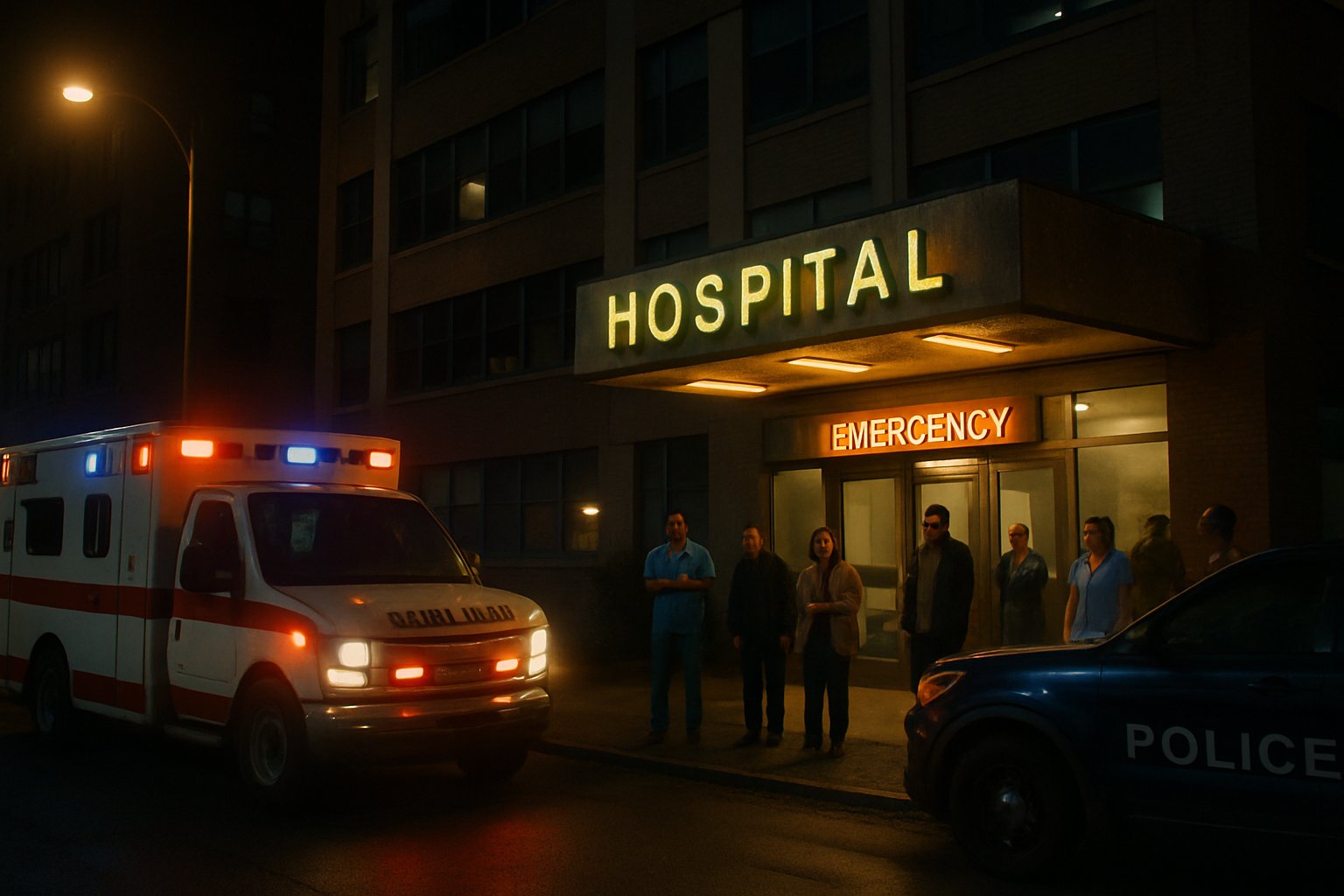
Automated speed creates undeniable resilience benefits. However, velocity without governance magnifies blast radius, setting the stage for the next section.
Notable Health Sector Incidents
CrowdStrike’s July 19, 2024 update crashed Windows hosts across 759 hospitals. Consequently, outpatient imaging systems froze, and elective surgeries faced immediate Downtime. JAMA researchers recorded a 34 percent spike in service disruptions during the Outage. The event did not stem from malicious code; skipped quality gates triggered the Critical Infrastructure Failure. Similarly, the Change Healthcare ransomware assault halted national claims flows for weeks. Moreover, pharmacies struggled to verify prescriptions, jeopardizing patient Safety daily. Each incident underscores that third-party dependencies widen the Medical attack surface.
These episodes prove automation and integration can cut both ways. Therefore, leaders must quantify financial exposure, which the next section explores.
Key Economic Impact Metrics
Financial damage from network disruptions extends well beyond immediate repair bills. Censinet estimates hospital Downtime costs roughly $7,500 per minute on average. Moreover, larger systems report multi-million dollar hourly losses during prolonged outages.
- 34% of monitored US hospitals disrupted by CrowdStrike on 19 July 2024.
- 759 facilities experienced at least one hour of degraded care delivery.
- Change Healthcare attack stalled $100M in daily claims, according to industry analysts.
Consequently, insurers delayed reimbursements, forcing hospitals to draw down cash reserves. When networks falter, billing, imaging, and life-support telemetry stall, risking another Critical Infrastructure Failure. Safety penalties and reputational damage amplify indirect costs, including postponed Medical research partnerships.
Money flows dictate operational priorities for every board. Subsequently, governance frameworks gain urgency, which we address next.
Strong Governance And Mitigation
Effective governance blends policy guardrails with real-time observability. Administrators set approval tiers that restrict autonomous scripts on clinical VLANs, reducing Critical Infrastructure Failure probability. Furthermore, canary releases expose updates to limited nodes before fleetwide deployment. Experts also recommend immutable audit trails for every automated change. Additionally, professionals can validate skills through the AI Network Security™ certification. Moreover, quick rollback procedures and kill switches stop cascading failures during unexpected Downtime. In contrast, lacking simulation environments leaves teams blind to latent configuration conflicts. Consequently, unchecked changes could escalate into another Critical Infrastructure Failure within minutes.
Robust governance converts risky speed into controlled agility. Therefore, attention now shifts to vendor relationships driving many hidden vulnerabilities.
Escalating Vendor Dependency Concerns
Hospitals outsource cybersecurity, claims, and even imaging storage to specialized vendors. However, concentration creates single points of failure spanning thousands of beds. The Change Healthcare breach illustrated systemic fragility without a pure internal Critical Infrastructure Failure. Furthermore, CrowdStrike’s faulty update propagated instantly because nearly every workstation carried the same agent. Regulatory bodies urge detailed contract clauses on testing, Outage reporting, and rollback timelines. Nevertheless, many agreements omit penalties for prolonged Downtime, weakening negotiating leverage. Shared fate extends to Medical devices that embed common OS components and drivers. Consequently, vendor risk scoring now ranks beside patient Safety metrics during procurement.
Dependency chains widen the attack and blast surfaces simultaneously. Subsequently, stakeholders debate how regulation must evolve, as final section explains.
Evolving Future Oversight Landscape
Policy makers acknowledge automation’s benefits yet plan tighter controls. The FCC already mandates incident reports within 24 hours of Critical Infrastructure Failure events. HHS considers a similar rule targeting networks after any severe disruption that affects care continuity. Moreover, new ISO guidelines propose mandatory simulation environments before agents gain write privileges to routers. Analysts predict AIOps adoption will double by 2027 despite recent Outage headlines. Consequently, boards will demand dashboards that quantify probability and impact of Critical Infrastructure Failure scenarios monthly. Meanwhile, insurers may offer premium discounts to organizations holding advanced automation certifications.
Regulation, insurance, and technology will coevolve in unpredictable ways. Therefore, leaders must cultivate adaptive strategies, as summarized next.
Conclusion And Next Steps
Healthcare operations now balance innovation against existential risk. Automated agents detect anomalies faster than any human team. However, missteps travel across networks at machine speed. Recent outages reveal tangible financial, Safety, and Medical consequences. Robust governance, vendor oversight, and rigorous training form the only reliable shield. Consequently, failing to prioritize them invites another Critical Infrastructure Failure. Professionals should pursue continuous learning, including the earlier mentioned AI Network Security certification. Act today to fortify hospital systems before the next minute of Downtime drains millions in revenue.


