

AI CERTs
4 hours ago
Retail Agent Pivot reshapes chatbot checkout
Shoppers once dreamed of buying inside ChatGPT with a single tap. However, that dream changed abruptly this March when OpenAI shelved its Instant Checkout pilot. The sudden decision, dubbed the Retail Agent Pivot, shifts payment flows back to merchant apps. Consequently, many in E-commerce now question whether conversational agents can truly close sales. This article examines the timeline, data, and Strategy behind the reversal. Moreover, it evaluates merchant Behavior signals and emerging User Experience lessons. Industry professionals will gain actionable insights into agentic commerce's next phase. Finally, readers can explore skills development through a linked certification. In contrast, incumbents like Amazon watch closely, ready to capitalize on OpenAI’s retreat. Prepare for a data-driven journey through a pivotal moment in conversational retail.
Instant Checkout Launch Hope
OpenAI unveiled Instant Checkout on 29 September 2025 amid great fanfare. Stripe, PayPal, and Etsy joined the stage to promise frictionless payments inside ChatGPT. Furthermore, the Agentic Commerce Protocol, or ACP, aimed to secure tokenized card transactions without exposing credentials.
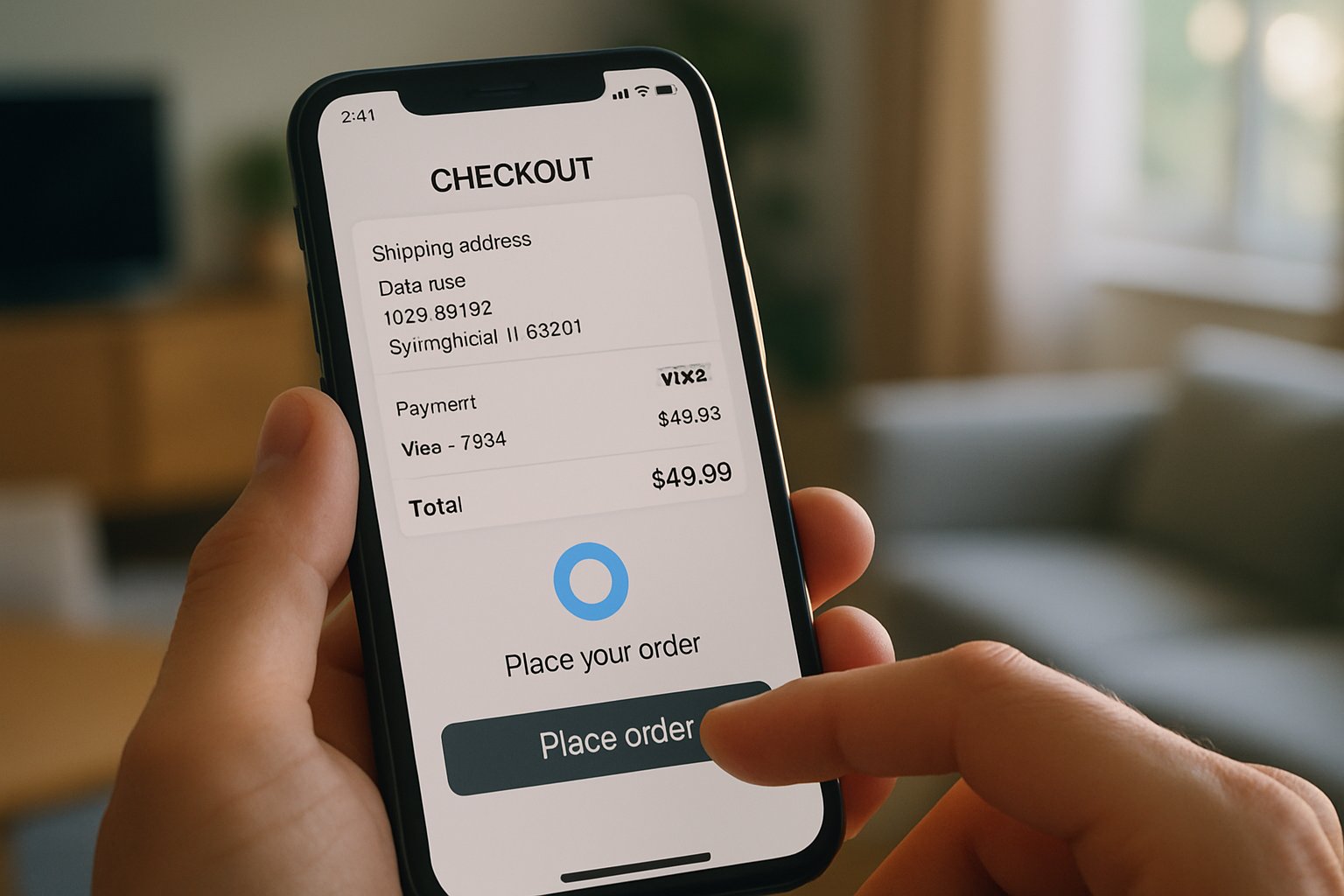
Early demos showed a user selecting an Etsy mug, confirming address, and paying within twenty seconds. Therefore, analysts hailed the workflow as a Retail Agent Pivot prototype that might redefine mobile E-commerce. Investors assumed OpenAI could capture a four percent fee on every completed order.
Launch excitement lifted valuation hopes across payments partners. Yet those hopes rested on untested merchant scale. The following adoption data reveals the gap between hype and reality.
Merchant Adoption Reality Check
Merchant onboarding proved far slower than forecasts. Shopify executives later admitted only about a dozen stores activated the feature. Moreover, live inventory synchronization, tax calculation, and fraud controls hampered rollouts.
Several retailers declined to expose catalogs until Integration tools matured. Consequently, users inside ChatGPT often met empty product suggestions. Such gaps undercut the Retail Agent Pivot narrative during holiday peak.
- Complex SKU mapping across millions of products
- Unclear liability for refunds and chargebacks
- Duplicate platform fees stacking over Shopify rates
- Missing loyalty and coupon integrations hurting User Experience
Nevertheless, OpenAI pressed ahead, announcing the four percent take rate for Shopify transactions. Merchant hesitation signaled structural obstacles beyond simple API tweaks. The weak roster foreshadowed poor conversion results. Next, we examine those numbers and their strategic implications.
Conversion Data Key Lessons
Precise conversion figures remain undisclosed. However, partner whispers suggest chat-based checkout converted far below merchant websites. In contrast, click-through to native apps delivered familiar trust signals, saved cards, and loyalty perks. Therefore, shoppers displayed predictable Behavior favoring established funnels.
Analysts estimate drop-off rates two times higher within chat. Moreover, cancellation rates spiked when receipts appeared outside retailer email ecosystems. Such friction degraded overall User Experience metrics tracked by OpenAI’s paying customers. Consequently, revenue projections tied to the Retail Agent Pivot contracted sharply.
Lower conversions eroded the core monetization story. Stakeholders now demanded a new path. That demand triggered a decisive Strategy overhaul.
Retail Agent Pivot Shift
OpenAI responded in early March 2026 by relocating payment flows outside ChatGPT. Spokespeople framed the move as an evolution, not a retreat. Moreover, Instant Checkout graduated into standalone apps that hand users directly to merchant checkouts.
This Retail Agent Pivot announcement aligned with long-term Strategy emphasizing discovery over transaction custody. Consequently, ACP development continues, yet commerce events now conclude where tax and compliance already live. Stripe’s Shared Payment Token still secures delegated payments inside those external flows. Meanwhile, OpenAI avoided regulatory exposure tied to refunds and chargebacks.
The shift protected OpenAI from heavy operational burden. It also acknowledged merchant preferences for checkout ownership. Examining platform and retailer impacts clarifies winners and losers.
Retailer And Platform Impacts
Retailers regained control of branding, upsells, and post-purchase support. Furthermore, they retained first-party data crucial for personalization Strategy. Shopify avoided channel conflict by steering traffic back to its optimized checkout.
Payment providers like Stripe still benefit through ACP standardization revenue. However, OpenAI surrendered the four percent take our analysts once modeled. Nevertheless, discovery queries inside ChatGPT continue driving top-funnel exposure for sellers. Meanwhile, marketing teams must adapt messaging to capitalize on conversational discovery Behavior.
- Winners: Merchants regaining checkout, shoppers enjoying trusted flows
- Neutral: Payments firms capturing delegated volume growth
- Losers: Platform hoping for direct take-rate windfall
Retailers now view the pivot as risk mitigation. Platforms recalibrate monetization roadmaps accordingly. Forward-looking indicators reveal what comes next for agentic commerce.
Future Agentic Commerce Outlook
OpenAI will likely double down on search-like shopping suggestions. Moreover, ACP may mature into an industry standard accepted by Amazon rivals. Consequently, developers with payments expertise will remain in high demand.
Professionals can enhance their expertise with the AI Prompt Engineer™ certification. That credential bridges conversational design, E-commerce integration, and secure payment handling. In contrast, ignoring security nuance could derail User Experience advancements.
Investors should monitor ACP GitHub commits, Stripe SPT adoption, and Shopify agentic storefront KPIs. Subsequently, market reactions will signal confidence in the post Retail Agent Pivot landscape. Nevertheless, competitor AI tools may replicate the Retail Agent Pivot without abandoning checkout control. Therefore, agile teams should prototype mixed chat-app flows before the next Retail Agent Pivot cycle emerges. Ultimately, the Retail Agent Pivot underscores that trust beats novelty when money moves online.
Agentic commerce still holds promise once standards, trust, and incentives align. Market stakeholders now watch metrics, not hype.
Conclusion And Next Steps
OpenAI’s checkout reversal highlights a classic tension between innovation and conversion pragmatism. However, discovery inside ChatGPT still channels high intent traffic toward merchant funnels. Merchants, payment networks, and shoppers benefit when trust, compliance, and loyalty tools stay intact. Consequently, ACP and SPT research deserves close monitoring as standards evolve. Moreover, professionals who master conversational commerce tooling will drive next-generation growth. Consider expanding that expertise through the aforementioned AI Prompt Engineer™ certification. Act now, review upcoming ACP documentation, and transform emerging agentic commerce challenges into competitive advantages.


