

AI CERTs
3 months ago
Global IP Infringement Dispute Over AI Style Copying Intensifies
Legal battles over generative imagery have intensified worldwide. Consequently, designers and investors watch each docket with rising concern. At the center sits the ongoing IP Infringement Dispute over AI models that mimic acclaimed visual signatures. Recent lawsuits allege that machine learning tools wholesale replicate copyrighted compositions and unique styles. Meanwhile, technology firms argue that scraping public content fuels fair transformative innovation. Regulators, courts, and studios now test decades of Copyright doctrine under digital pressures. Moreover, fresh forensic research enables Design auditors to trace training data lineage. Nevertheless, enforcement mechanisms remain technically and legally fragile. This report maps the evolving battlefield, highlights emerging defenses, and outlines possible resolutions. Readers will gain strategic foresight into the high-stakes IP Infringement Dispute shaping creative markets.
Escalating Global Court Battles
Disney and NBCUniversal sued Midjourney in Los Angeles federal court during June 2025. Furthermore, plaintiffs labeled the platform a "bottomless pit of plagiarism" in their complaint.
Getty Images narrowed its UK complaint against Stability AI yet maintained trademark and database claims. However, the partial withdrawal underscored complex jurisdictional hurdles regarding training locations.
U.S. artists Sarah Andersen, Kelly McKernan, and Karla Ortiz continue pressing class actions against several vendors. Consequently, federal judges allowed core Copyright and Lanham Act theories to proceed into discovery.
No definitive precedent exists on whether duplicating Style alone violates Copyright law. Therefore, each IP Infringement Dispute now hinges on fact-specific similarity analyses.
These escalating suits expose critical gaps in enforcement. However, major media complaints foreshadow deeper corporate clashes ahead.
Major Media Company Lawsuits
Studio litigation represents the highest financial stakes to date. Moreover, Disney protects billion-dollar character franchises that generative outputs allegedly mirror.
The complaint cites Midjourney's internal list of 4,700 Artist names as evidence of intentional targeting. Additionally, plaintiffs request injunctions, statutory damages, and forced content filtration.
Midjourney CEO David Holz told users the company expects to survive the storm. Nevertheless, discovery may unveil more instructive chats and training checkpoints.
Investors monitor whether insurance or indemnification clauses will withstand mounting expense. Consequently, each fresh filing amplifies market anxiety around every subsequent IP Infringement Dispute.
The studio cases combine resources, celebrity, and sharp rhetoric. Therefore, their outcomes could set negotiation baselines for smaller creators.
Protectability Of Artistic Style
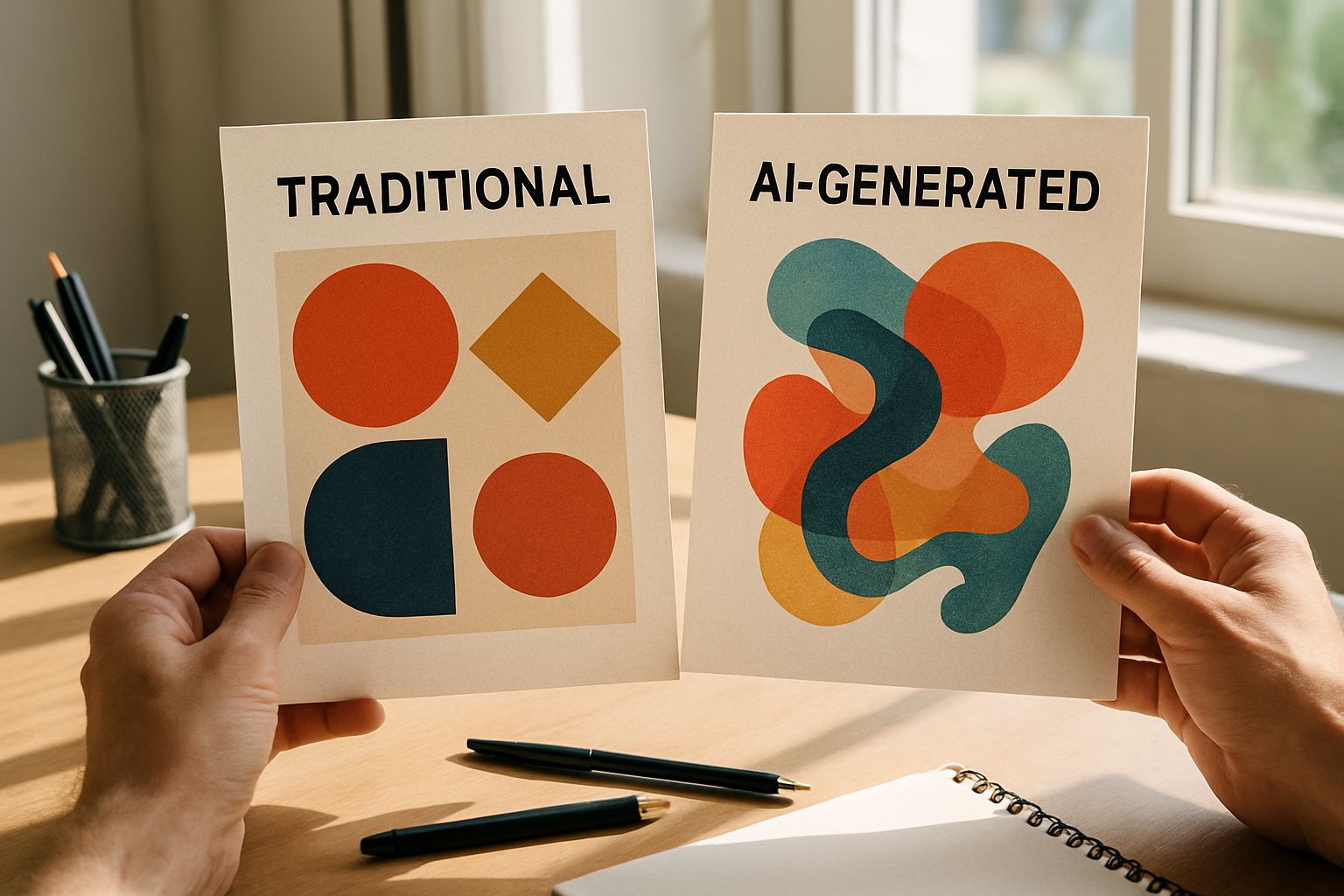
Traditional Copyright law shields concrete expression, not abstract aesthetics. However, diffusion models can reproduce color palettes, brush textures, and composition cues with alarming fidelity.
Plaintiffs advance two theories to bridge this doctrinal gulf. First, the model itself may embed compressed copies that constitute direct infringement.
Second, individual outputs can appear substantially similar to a protected composition. In contrast, defense counsel likens training to human learning of general technique.
Academic studies measured auditing AUCs above 0.93 when detecting fine-tuning on an Artist corpus. Moreover, those findings empower litigants in every pending IP Infringement Dispute.
Legal theory now pivots on the blurry line between aesthetic and expression. Subsequently, regulators evaluate whether new statutes must clarify that boundary.
Regulatory And Legislative Momentum
The U.S. Copyright Office released multipart AI reports during 2024-2025. Furthermore, Part One advocated a digital-replica right targeting deceptive likenesses.
Congress has held several hearings on dataset disclosure and compulsory licensing. Meanwhile, EU legislators embedded training transparency obligations within the AI Act framework.
Industry trade groups push for balanced rules that avoid crippling open research. Nevertheless, proposed bills may impose registration or revenue-sharing requirements.
Policy outcomes will heavily influence negotiation leverage in future IP Infringement Dispute settlements. Consequently, lobbyists intensify outreach before draft language crystallizes.
Regulatory cooks crowd the kitchen across jurisdictions. Therefore, companies must prepare for divergent compliance regimes.
Emerging Technical Evidence Tools
Litigants increasingly rely on forensic audits to trace dataset provenance. Moreover, the ArtistAuditor tool detects whether a model memorized a specific Artist portfolio.
Reported performance exceeded 0.93 AUC on controlled benchmarks. However, proprietary models may resist such probing due to limited checkpoint access.
Researchers also tested adversarial perturbations intended to shield online Design assets. In contrast, simple upscaling or recompression defeated many watermark schemes.
Detection progress arms plaintiffs with stronger evidence during any IP Infringement Dispute. Consequently, platform defenses must evolve equally fast.
- LAION-5B contains 5.85 billion image-text pairs
- Midjourney list includes 4,700 Artist names
- ArtistAuditor reached 0.93 AUC detecting Style copying
Technical audits shift the evidentiary balance toward creators. However, enforcement still depends on transparent access to model internals.
Toward Sustainable Licensing Solutions
Many stakeholders endorse voluntary licensing marketplaces over courtroom warfare. Additionally, dataset registries could allow creators to opt out or set price tiers.
Content provenance protocols like C2PA promise traceability across production pipelines. Nevertheless, adoption remains limited among consumer platforms.
Professionals can enhance their expertise with the AI+ UX Designer™ certification. Consequently, trained specialists will guide ethical Design workflows that respect Copyright norms.
Balanced frameworks may resolve each looming IP Infringement Dispute before litigation erupts. Moreover, predictable royalties could stabilize creative economies.
Licensing models aim to align incentives for artists, developers, and investors. Subsequently, attention turns toward forecasting future industry scenarios.
Concluding Strategic Industry Outlook
Generative image technology challenges long-standing IP assumptions within global creative sectors. However, courts, regulators, and researchers are quickly closing knowledge gaps.
Ongoing audits, dataset disclosures, and policy drafts will frame the next IP Infringement Dispute outcomes. Meanwhile, corporate litigants test novel arguments about aesthetic protectability and model embodiment.
Balanced licensing solutions promise revenue streams without stifling Design innovation. Additionally, creator education, certifications, and transparent tooling can mitigate risk for every Artist community.
Industry leaders should monitor court calendars, regulatory filings, and technical releases constantly. Explore advanced credentials today and stay prepared for the final resolution of the IP Infringement Dispute.
Disclaimer: Some content may be AI-generated or assisted and is provided ‘as is’ for informational purposes only, without warranties of accuracy or completeness, and does not imply endorsement or affiliation.


