

AI CERTs
3 hours ago
PM Bots Spark Team Dynamics Crisis
Sprint retrospectives often reveal frayed nerves once bots manage project workflows. However, many teams now report disputes escalating faster than human facilitators can intervene. Analysts label this pattern a Team Dynamics Crisis that undermines productivity across industries. Consequently, executives question whether current PM bots understand nuanced interpersonal signals. Meanwhile, vendors market smarter algorithms promising objective arbitration and improved cadence. In contrast, field evidence shows unresolved tension bleeding into planning meetings and code reviews. Therefore, technology leaders must dissect why these tools fail and how organizations can recover. This article unpacks the mechanics behind bot-driven strife and offers practical mitigation strategies. Readers will gain data-backed insights, Leadership perspectives, and certification pathways to rebuild cohesion. Ultimately, proactive understanding prevents the next Team Dynamics Crisis before deadlines derail.
Bots Escalate Workplace Conflict
Project bots schedule tasks, allocate resources, and flag slippage without emotional context. However, their rigid triggers often misinterpret innocent chat sarcasm as missed commitments. Subsequently, the bot posts public warnings, and peers perceive blame broadcasting. This chain reaction ignites Conflict among developers who feel unfairly exposed. Moreover, psychological safety erodes as automated nudges replace human check-ins.
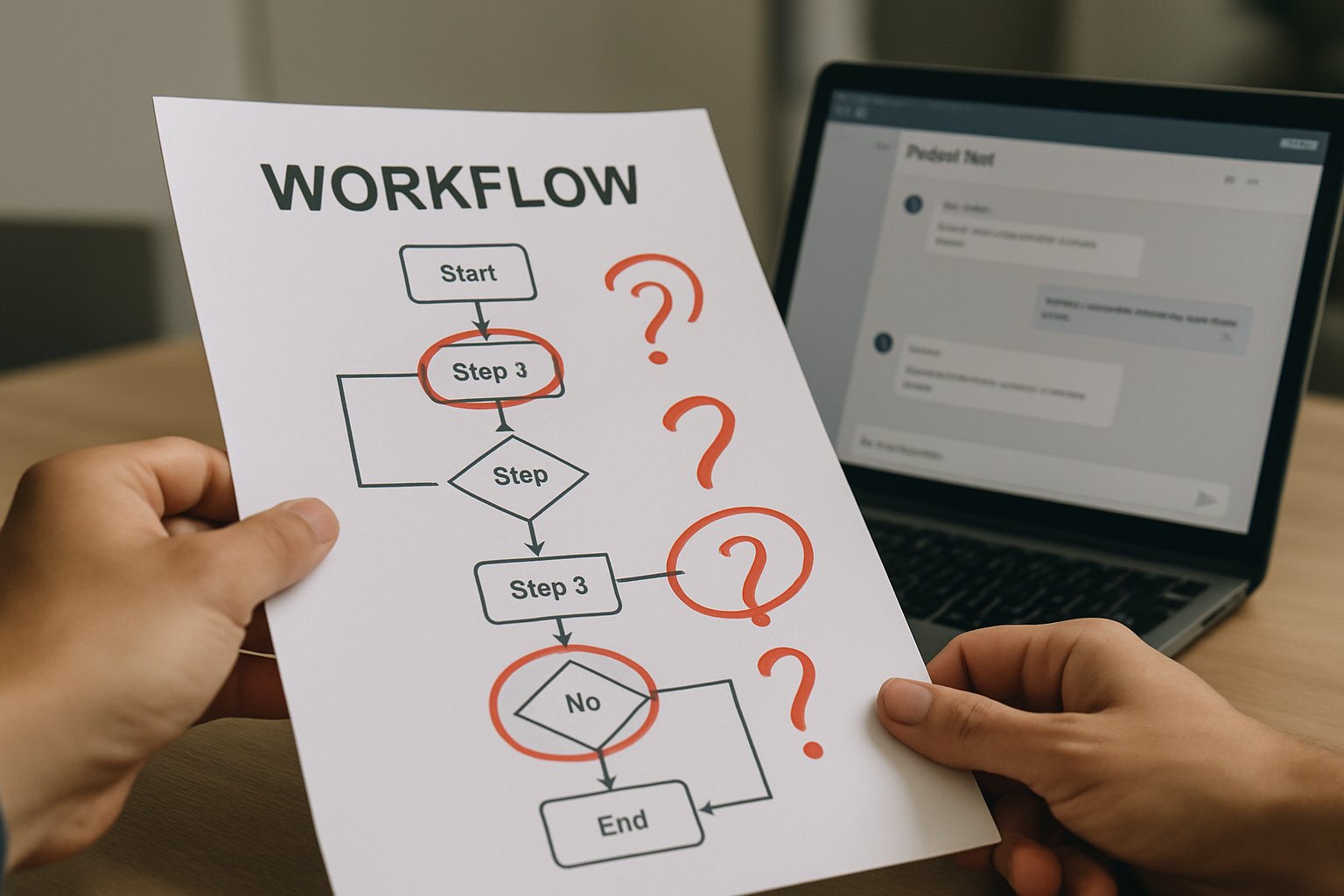
Industry surveys show 54% of agile teams experienced at least one stand-up derailed by bot commentary. Meanwhile, only 17% felt the tool improved transparency. Consequently, managers face growing mediation backlogs despite supposed efficiency gains. The data confirm that algorithmic governance amplifies pressure rather than diffusing tension.
These patterns expose early fault lines. However, deeper causes reveal systemic design oversights.
Root Causes And Gaps
Several technical and social factors converge. Firstly, natural language parsers lack cultural context. In contrast, human facilitators weigh tone, history, and intent. Secondly, reward functions optimize delivery speed, ignoring relational costs. Consequently, micro-interruptions accumulate into a visible Team Dynamics Crisis.
Additionally, role ambiguity magnifies errors. When a bot issues orders, Leadership authority blurs, and escalation paths confuse staff. HR reports show complaint volumes tripling after bot deployment in distributed groups. Moreover, privacy constraints limit data collection, preventing timely sentiment calibration.
- 70% of misclassifications involve irony detection failures
- 62% of users lack clarity on override protocols
- 48% of teams disable notifications within three months
These statistics underline unsolved capability gaps. Nevertheless, structured governance models can reduce exposure moving forward.
HR And Leadership Response
Seasoned HR specialists now audit conversational logs for emerging flashpoints. However, manual review scales poorly against millions of daily messages. Therefore, hybrid dashboards combine sentiment analytics with anonymized feedback loops. Leadership teams then receive concise heat maps highlighting rising Conflict clusters.
Moreover, policy revisions reassign final decision rights to human scrum masters. Consequently, employees regain trust, knowing sensitive matters will not auto-publish. In contrast, organizations ignoring oversight report higher attrition and burned out mentors. HR must align disciplinary procedures with algorithm transparency to preserve fairness.
Clear governance resets expectations. Subsequently, staff participation rebounds, and the Team Dynamics Crisis recedes in severity.
Automation Limits And Risks
Automation still offers undeniable scheduling gains. Nevertheless, overreliance invites blind spots. Bots cannot evaluate personal hardship, subtle discrimination, or creative debate value. Furthermore, machine-driven nudges favor majority language styles, marginalizing diverse voices. Consequently, quiet innovators disengage, and product quality slips.
Cybersecurity also enters the equation. In contrast to humans, compromised bots may leak strategic roadmaps automatically. Leadership must expand threat models to cover conversational agents. Additionally, compliance auditors question data residency when third-party algorithms parse internal chats. Such legal exposure adds another Team Dynamics Crisis dimension.
Understanding these risks emphasizes balanced adoption. However, actionable frameworks are required to translate awareness into practice.
Emerging Mitigation Frameworks
Progressive firms pilot “human-in-the-loop” escalation tiers. Firstly, the bot flags potential Conflict privately, seeking moderator confirmation before broadcasting. Secondly, escalation dashboards integrate continuous learning, refining thresholds based on feedback. Moreover, multidisciplinary councils adjust reward parameters, ensuring collaboration metrics outweigh mere velocity.
Consequently, sprint cadence stabilizes while interpersonal rapport improves. External consultants also train teams on responsible Automation etiquette, reducing trigger frequency. In contrast, one-size rollouts continue producing a Team Dynamics Crisis within months.
Controlled experimentation reveals measurable benefits. Nevertheless, skill development remains essential for long-term resilience.
Certification Pathways For Managers
Forward-looking managers pursue credentials blending technical fluency with emotional intelligence. Professionals can enhance their expertise with the AI Project Manager™ certification. Moreover, coursework covers risk assessment, stakeholder alignment, and conflict coaching. Consequently, graduates bridge gaps between Automation engineers, HR partners, and end users.
Leadership circles value structured learning over ad-hoc experimentation. Additionally, certified practitioners report 23% faster resolution times during incident reviews. Therefore, investing in formal education mitigates repeated Team Dynamics Crisis episodes.
Skill-based recognition accelerates cultural change. However, organizations must still update process charters to lock gains.
Future Outlook And Recommendations
Analysts predict conversational AI will oversee 40% of daily coordination tasks by 2026. Nevertheless, human oversight will remain vital. Companies should adopt phased deployments, embed feedback analytics, and enforce transparent override channels. Furthermore, cross-functional simulations can stress-test bot behavior before production.
Key action steps include:
- Define accountability matrices linking HR, Leadership, and engineering owners
- Audit bot decisions quarterly against diversity and inclusion benchmarks
- Provide continuous education leveraging recognized certifications
These measures strengthen trust foundations. Subsequently, organizations convert Automation efficiencies into sustainable advantage rather than another Team Dynamics Crisis.
Robust planning clarifies responsibilities. Meanwhile, dynamic monitoring ensures issues surface early for humane resolution.
Conclusion And Next Steps
PM bots promise efficiency yet often ignite unexpected Conflict. However, root causes lie in cultural nuance, data gaps, and blurred authority. HR and Leadership interventions, balanced Automation policies, and iterative frameworks can dissolve tension. Moreover, recognized credentials such as the linked AI Project Manager™ program equip professionals with practical governance tools. Consequently, teams regain psychological safety and consistent velocity. Future success demands vigilant oversight and continuous learning. Therefore, explore advanced certifications today and transform potential Team Dynamics Crisis scenarios into collaborative victories.


