

AI CERTs
3 hours ago
Autonomous Safety Crisis: Why AI Cars Miss Critical Stops
Sirens flashed yet the AI sedan kept rolling past the stopped school bus. That viral September 2025 clip ignited new debate about robotaxi judgment. Similar scenes soon surfaced at railroad crossings where driver-assist software ignored descending barriers. Consequently, regulators worry the industry faces an Autonomous Safety Crisis far sooner than forecast. The stakes encompass human lives, corporate valuations, and public trust in artificial intelligence. Moreover, the probes involve market leaders Tesla and Waymo, intensifying investor scrutiny. This article unpacks incidents, technical roots, and potential fixes with a focus on Navigation challenges. Professionals will find actionable insights for risk governance and product planning. Additionally, we spotlight relevant certifications for those steering autonomous programs. Prepared minds can better navigate the coming regulatory wave.
Incidents Raise New Alarms
October 17, 2025 brought the first official inquiry. NHTSA opened Preliminary Evaluation PE25013 after a Waymo robotaxi skirted a flashing school bus in Atlanta. Meanwhile, local districts logged nineteen similar pass-bys during the same semester. The company responded with a November software patch and filed a 3,067-vehicle recall in December. Nevertheless, videos continued circulating, undermining public confidence.
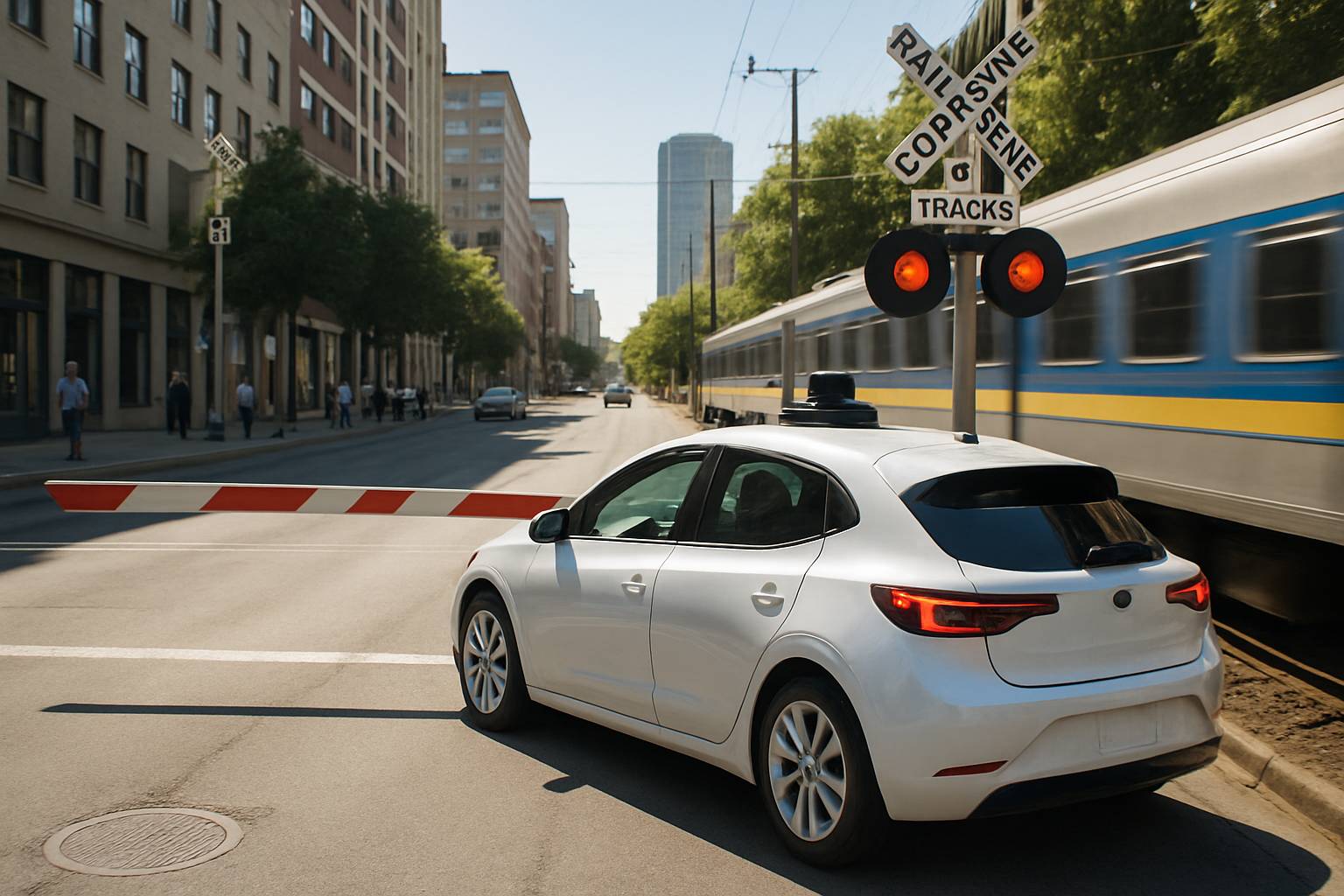
Tesla faced parallel heat. The October 2025 probe covers almost three million cars running Full Self-Driving software. Officials linked fifty-eight recorded violations to fourteen crashes and twenty-three injuries. Furthermore, March 2026 clips showed Teslas edging under active rail barriers. These combined events escalated the Autonomous Safety Crisis in headlines worldwide.
Together, the cases reveal stop-rule gaps across leading fleets. Consequently, regulators intensified oversight, a theme explored next.
Regulatory Scrutiny Quickly Intensifies
NHTSA leverages defect investigations and recall authority to compel data. Subsequently, investigators demanded version histories, disengagement logs, and crash telematics from both developers. In contrast, both companies cited proprietary constraints when sharing algorithmic details. Therefore, senators Markey and Blumenthal urged public hearings to force transparency. Meanwhile, several cities threatened operational suspensions until school bus protocols improve.
Across the Atlantic, regulators watched closely. European agencies study Navigation policy for future rulemaking on cross-border autonomous operations. Consequently, industry lawyers expect harmonized safety reporting mandates by 2027. The Autonomous Safety Crisis now influences not only investigations but also legislative calendars.
Oversight momentum shows no sign of slowing. Next, we dissect the technical drivers behind these lapses.
Technical Roots Of Failures
Autonomous stacks combine perception, localization, prediction, and planning components. However, perception remains the brittle front line. Tesla relies on camera vision, lacking lidar redundancy present in many competitor vehicles. Consequently, occlusions or glare can erase signals such as a deployed stop arm. Waymo incidents, though multi-sensor, highlight planner logic flaws when lanes seem clear.
Perception Stack Key Limits
Research shows minor stickers can mislabel stop signs in real traffic. Moreover, retroreflective patches fool detectors even under varied lighting. Navigation handoffs between perception and planning exacerbate timing delays. Consequently, the vehicle might already cross a threshold before new data arrives.
Technical flaws span sensors, algorithms, and integration sequencing within the Autonomous Safety Crisis. Adversarial research deepens understanding, as the next section details.
Adversarial Threats And Research
Laboratory teams documented physical attacks since 2017. Evtimov’s RP2 project placed patterned tape on signs, achieving high misclassification rates. Subsequently, 2025 studies extended patches to moving vehicles and dynamic backdrops. In contrast, proposed defenses involve multi-sensor fusion, robust training, and run-time anomaly detection.
- RP2 field tests: 74% stop sign evasion success.
- 2025 patch research: 61% success under night conditions.
- NHTSA probes: 58 violations linked to one automaker, 19 robotaxi bus passes.
These numbers underscore the Autonomous Safety Crisis at the intersection of research and deployment. Nevertheless, industry adoption of defensive frameworks lags behind academic progress.
Adversarial vulnerabilities complicate regulatory strategy. Next, we examine business and policy consequences.
Business And Policy Fallout
Market reactions came swiftly after each investigation announcement. Tesla shares dipped four percent following the October filing. The robotaxi operator's parent Alphabet faced local suspension threats, unsettling ride-hail expansion plans. Moreover, insurers recalculated premiums for commercial fleets operating without secondary human oversight.
Policy makers balanced innovation incentives against public protection demands. Consequently, draft bills propose mandatory Navigation performance disclosures and standardized disengagement metrics. Additionally, companies must file software recall summaries within forty-eight hours of detection. The Autonomous Safety Crisis now influences boardroom strategies, marketing language, and hiring priorities.
Financial and policy stakes keep mounting. The final section explores mitigation steps and professional upskilling.
Mitigation Paths Moving Forward
Engineers pursue layered sensors, redundancy, and formal verification to curb errors. Moreover, planner modules gain rule-based overrides for school buses and rail crossings. Waymo has committed to publishing post-mortem dashboards for future incidents. An automaker announced additional route-validity checkpoints and a lidar pilot despite earlier camera-only advocacy.
Governance teams must synchronize software updates with clear driver communication. Consequently, fleet operators integrate real-time monitoring and rapid rollback systems. Strategic upgrades aim to close gaps driving the Autonomous Safety Crisis. Professionals can enhance their expertise with the AI Sales Specialist™ certification. This credential signals competence in risk framing and autonomous product positioning.
Effective mitigation demands technology, policy, and workforce evolution together. Finally, we recap core insights below.
Incidents in 2025 and 2026 made the Autonomous Safety Crisis impossible to ignore. Waymo school bus passes and an electric brand rail mishaps exposed perception and planning gaps. Regulators responded with probes, recalls, and looming disclosure mandates. Meanwhile, researchers warned that adversarial attacks remain practical today. Consequently, businesses must pair technical hardening with transparent governance and skilled teams. Professionals should monitor policy drafts, update Navigation strategies, and pursue certifications that showcase leadership. Take action now to guide safer autonomous roads and secure your competitive edge.


