

AI CERTs
3 hours ago
Littlebird Privacy Assistant Raises $11M Seed
Littlebird stunned the desktop AI scene yesterday, announcing an $11 million seed round led by Lotus Studio. The funding boosts its ambitious mission: building a continuous Privacy Assistant that remembers everything visible on your Mac. However, the raise instantly reignited debate over how far screen-reading technology should penetrate personal workflows. Industry leaders now watch closely, balancing Littlebird’s productivity promise against lingering privacy and security concerns. Consequently, this piece examines the funding details, the underlying architecture, and the risks professionals must weigh.
It pulls verified facts from the company announcement and independent testing published by DDay.it. Moreover, expert commentary highlights where the current security posture impresses and where it still falls short. Readers will also discover practical steps for adopting the tool without compromising organisational governance. Finally, we link to an AI ethics certification that deepens your compliance expertise. Therefore, consider this analysis your field guide to Littlebird’s newly funded trajectory.
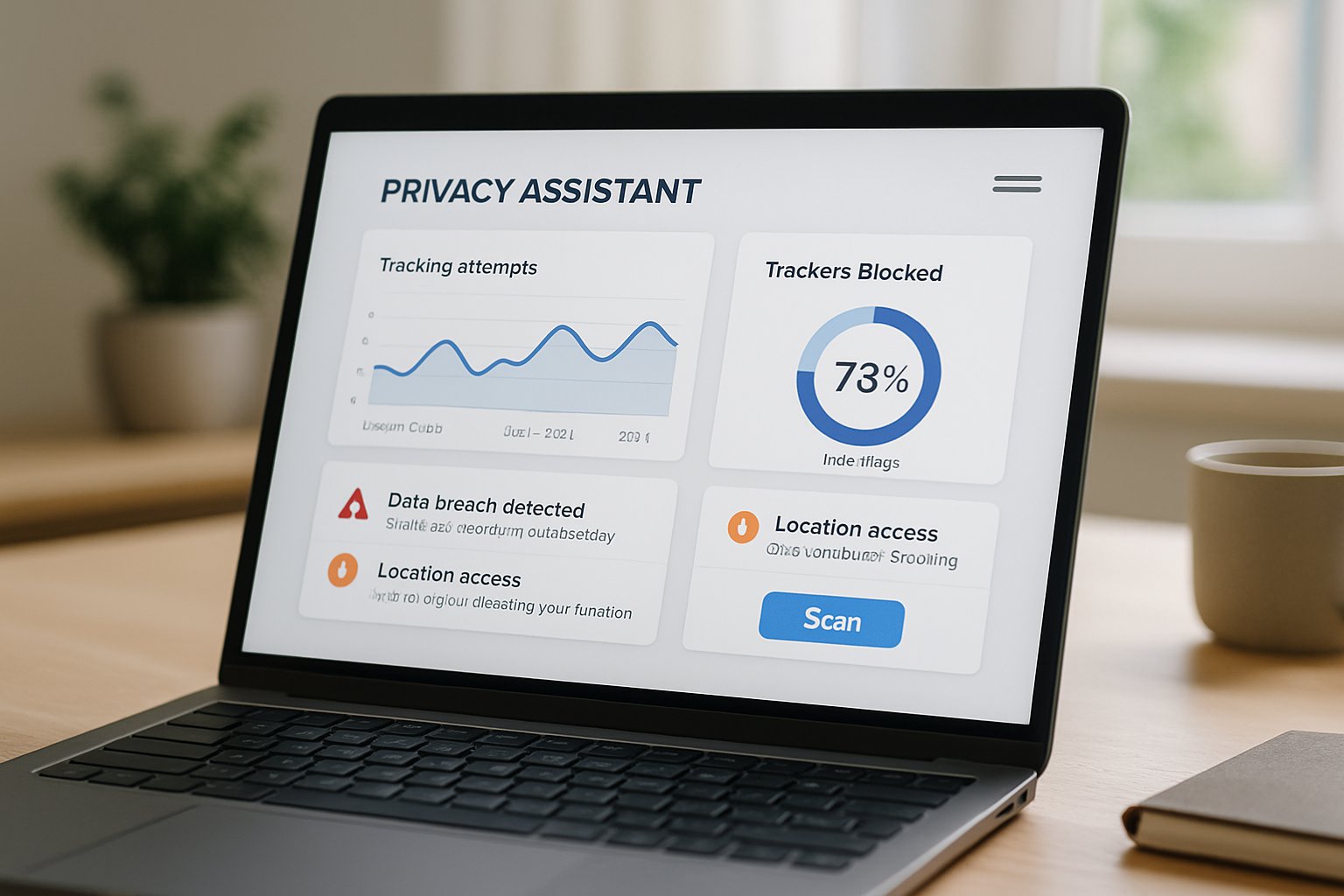
Funding Fuels Context Vision
Lotus Studio led the $11 million seed, joined by noted operators Lenny Rachitsky, Scott Belsky, and others. Furthermore, Littlebird plans to allocate capital toward engineering hires, Windows support, and enterprise compliance audits. Co-founder Alex Green framed the raise as validation of a privacy-first approach to context automation. In contrast, several investors signalled strategic rather than purely financial motives, citing the rising demand for trustworthy workplace AI. Subsequently, market watchers expect more funding rounds if adoption accelerates.
The raise underwrites fast expansion; however, it also increases scrutiny of Littlebird’s risk management. Next, we dissect the technology powering the Privacy Assistant.
How Littlebird System Works
Littlebird labels itself a full-context AI that persists on macOS and quietly indexes foreground activity. Instead of full screenshots, it leverages macOS accessibility APIs to read structured text elements. Consequently, resource impact stays low, with testers reporting 0.05 percent battery drain per hour. Memory usage averaged 200 MB on an M2 device, and network traffic remained modest. Moreover, Littlebird claims it redacts password fields and ignores minimised windows by default. That design feeds an on-device index which later syncs, encrypted, to AWS storage.
The workflow promises seamless recall without constant user prompts. Yet, the magic begins with precise screen-reading, explored below.
Screen Reading Method Explained
Accessibility APIs expose every visible component as machine-readable nodes. Littlebird’s observer scans only the active window twenty times each second. Consequently, bandwidth usage tops out near one kilobyte per second in real-world trials. In contrast, screenshot grabbers often push megabytes, raising higher exfiltration risk. Nevertheless, Sergio Donato of DDay.it warns that even structured text can reveal trade secrets. Therefore, the Privacy Assistant encrypts content locally before upload using AES-256 with AWS KMS keys. Still, customers must trust that keys stay protected from internal misuse or legal discovery.
Screen-reading efficiency reduces cost; however, ethical stakes remain high. Security assurances become the next focal point.
Security Claims Under Scrutiny
Littlebird touts SOC 2 Type I compliance and recent third-party penetration testing. However, Type I only captures control design at one moment. Type II, which evaluates operational consistency over months, remains unfinished. Moreover, the company has not published detailed penetration findings or remediation timelines. Consequently, enterprises evaluating the Privacy Assistant must request the full audit package. Independent reviewers also question how deletion requests propagate across backups. In contrast, Littlebird promises user-initiated erasure within minutes and automated retention limits. Nevertheless, those statements lack verifiable metrics until a Type II report arrives.
Security marketing sounds strong; yet documented evidence still lags investor excitement. Cloud architecture adds another layer of complexity.
Cloud Data Risks Analyzed
All indexed context eventually resides on AWS under customer-specific buckets. Therefore, the attack surface shifts from the endpoint to the vendor’s managed environment. Subsequently, any breach would expose a consolidated timeline of personal and corporate activity. Moreover, third-party subpoenas may compel disclosure despite encryption. The Privacy Assistant offers local deletion, yet key management remains centralised within AWS KMS. In response, Littlebird signals plans for client-side keys and optional self-hosted storage. Until then, cautious teams should segment the application to non-confidential projects.
Centralised storage amplifies convenience; however, it equally magnifies potential blast radius. Despite risks, market demand keeps growing.
Market Opportunities Emerging Ahead
Knowledge workers wrestle daily with overflowing information across email, chat, and documents. Consequently, Littlebird’s promise of instant recall appears compelling. Analysts project the personal AI sector to hit $10 billion annual revenue by 2028. Furthermore, low device overhead makes deployment feasible even on older laptops. Investors therefore regard the Privacy Assistant as a wedge product for broader workplace automation.
- Average battery impact: 0.05 % per hour
- Daily upload volume: 20 MB
- Memory footprint: 200 MB RAM
- Compliance status: SOC 2 Type I
Moreover, upcoming Windows support could double the addressable market overnight. Nevertheless, corporate legal teams will insist on stricter audits before green-lighting enterprise rollouts.
Demand signals opportunity; yet compliance hurdles may slow mass uptake. Experts remain divided on how quickly trust can follow growth.
Expert Views Differ
Sergio Donato praised the elegant recall functions during his month-long evaluation. However, he cautioned that centralising every keystroke into the cloud creates an irresistible target. Lotus Studio partner Mei Chen countered that encryption and strict governance offset many concerns. In contrast, privacy academics argue for transparent consent workflows covering all third-party participants. Additionally, some corporate CISOs demand deterministic recall limitations to reduce potential e-discovery exposure. The assistant currently enables exclusion rules and timed deletion, yet lacks enterprise policy APIs.
Opinions diverge sharply; nevertheless, everyone recognises the productivity upside. Guidelines can bridge the gap between utility and compliance.
Navigating Ethical Tool Adoption
Practical governance begins with a thorough data protection impact assessment. Consequently, security teams should acquire the unredacted SOC 2 report before production use. Moreover, clear employee policies must explain that screen-reading will capture visible content. Organizations ought to disable collection for finance and HR systems through the built-in exclusion list. Subsequently, periodic audits should verify deletion logs and key rotation schedules. Professionals can enhance their expertise with the AI Ethics certification. The coursework covers risk assessment, consent frameworks, and secure AI deployment patterns. Therefore, certified leaders will navigate the Privacy Assistant roll-out with greater confidence.
Structured governance tempers risk, yet preserves the promised recall advantage. Final thoughts emerge below.
Conclusion And Future Outlook
Littlebird’s funding round signals investor belief in context-aware productivity tools. However, the Privacy Assistant still faces meaningful security validation and ethical adoption hurdles. Nevertheless, early performance metrics, low overhead, and quick recall continue to impress testers. Consequently, organisations that pair strong governance with technical diligence may unlock significant competitive gains. Explore emerging guidance, request detailed audits, and consider certification to strengthen your rollout strategy today.


