

AI CERTs
3 hours ago
Search Modification: Google AI Headlines Reshape Traffic
Publishers once thought they controlled their headlines. However, Google’s algorithm now often chooses a different title. That quiet shift has exploded into a full-blown Search Modification debate. Across Search and Discover, automatically generated headlines have become the norm. Consequently, traffic patterns have changed, and lawsuits are mounting.
Regulators have noticed the turmoil. Meanwhile, advertisers cheer the richer interface and longer user sessions. Industry analysts track rewrite rates approaching 76 percent of sampled results. Moreover, independent studies link AI summaries with sharp clickthrough declines. This article dissects the technology, the business stakes, and possible publisher responses.
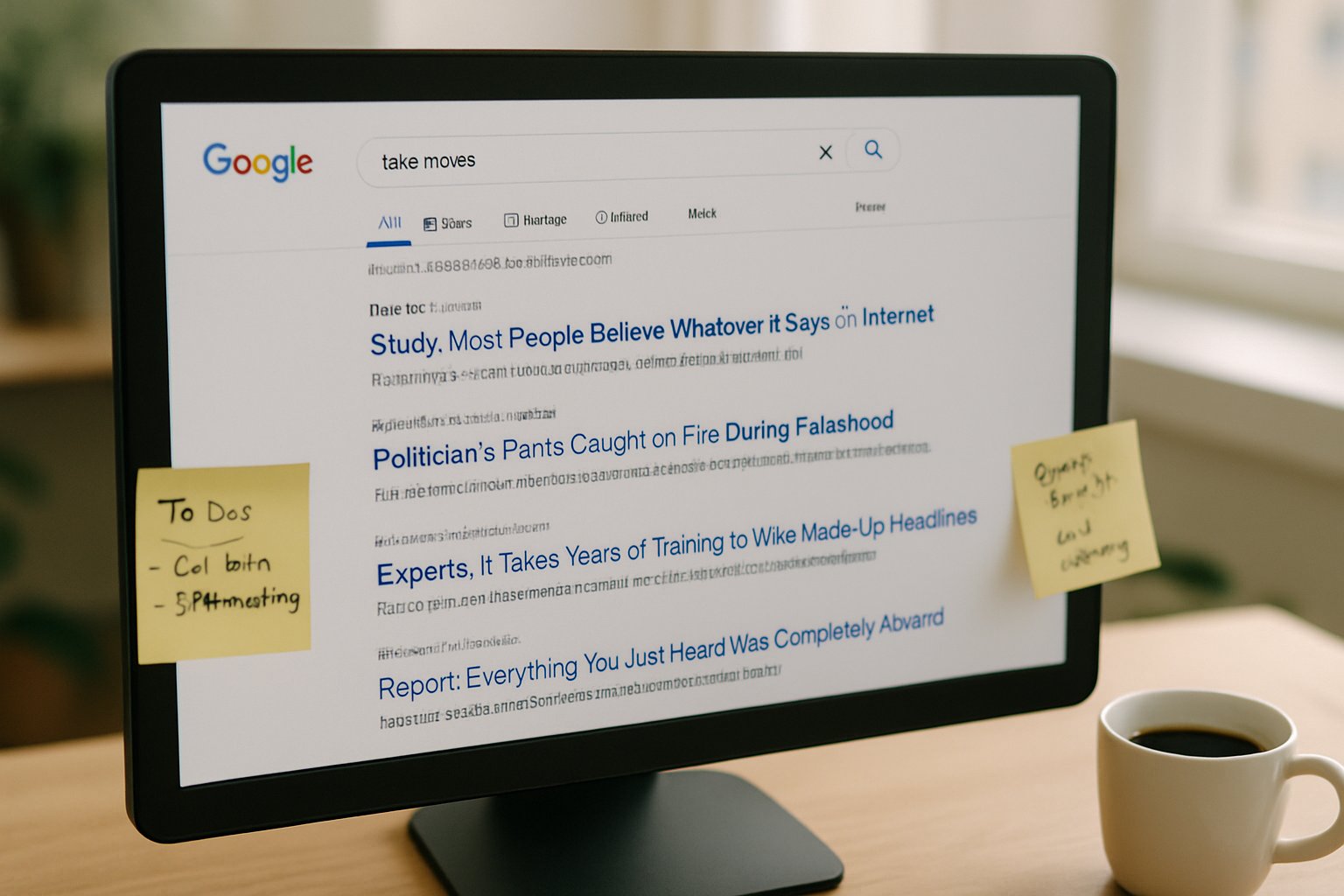
In contrast, Google defends the feature as user-centric. Ron Eden, a Google product lead, promises opt-out tools in development. Nevertheless, Penske Media and European coalitions argue the system exploits journalism without compensation. Professionals need clear guidance to navigate this Search Modification landscape.
Search Rewriting Scale Revealed
May 2025 data shocked the SEO world. Search Engine Land reported that Google rewrote 76 percent of studied titles. Furthermore, the rate had doubled within one year. Analysts attribute the spike to expanded AI language models.
- 76% of Q1 2025 sampled titles were rewritten.
- YMYL pages experienced even higher rewrite frequency.
- Boilerplate branding was removed in most rewrites.
These numbers confirm that Search Modification is no fringe experiment. Instead, it operates at industrial scale across commercial and news verticals. Consequently, publishers cannot ignore the redesign.
The statistics show a massive behavior shift inside the ranking engine. However, traffic impact matters even more, as the next section explains.
Publisher Traffic Under Threat
Authoritas measured desktop clickthrough falling 47.5 percent when AI summaries appeared. Mobile queries saw a 37.7 percent decline during the same windows.
Moreover, zero-click search rates in news rose from 56 to 69 percent across 2024-2025. Independent analysts link that rise to Search Modification and to richer answer boxes. Google disagrees with the interpretation and cites overall referral growth.
Publishers argue that fewer clicks erode ad revenue and subscriptions. Rolling Stone’s parent filed a federal complaint citing tangible monetary losses. Meanwhile, European outlets joined a coordinated antitrust move in July 2025.
Click losses threaten newsroom viability, especially for smaller operations. Therefore, legal and regulatory pressure is intensifying, as explored next.
Regulators Intensify Google Scrutiny
The U.K. Competition and Markets Authority issued draft rules in January 2026. Those rules would force Google to let sites opt out of AI summaries.
Similarly, a European publisher coalition filed an antitrust complaint on July 4, 2025. Reuters quoted Rosa Curling calling AI Overviews an existential threat to independent news.
Penske Media took the battle to U.S. federal court two months later. Consequently, Search Modification now sits before judges on both sides of the Atlantic. Observers expect early procedural hearings this summer.
Multiple jurisdictions now weigh fairness, market power, and editorial freedom. Meanwhile, engineering realities complicate compliance, which the next section unpacks.
Engineering Challenges And Options
Building granular opt-out controls is technically complex, Google engineers admit. Changes must not break core ranking or increase spam.
Moreover, title rewriting logic pulls from several fields: HTML titles, H1s, and on-page text. Developers must modify templates holistically to influence displayed copy. Testing should include mobile and Discover surfaces because formatting differs.
Experts recommend three immediate steps. First, shorten titles below 60 characters yet preserve clarity. Second, align H1 wording with title to reduce perceived mismatch. Third, remove boilerplate branding that Google tends to strip.
These measures cannot guarantee control, but they lower rewrite probability. In contrast, strategic actions extend beyond templates, as the following section details.
Strategic Actions For Publishers
Business teams must diversify traffic sources beyond search. Consequently, direct newsletters and social platforms regain importance.
Negotiation also matters with platform gatekeepers. Groups like Foxglove coordinate lobbying for compensation pools.
Professional upskilling is another pillar. Editors can learn prompt engineering and headline testing to thrive amid Search Modification. Professionals can upskill through the AI+ Developer™ certification.
Additionally, newsroom analytics teams should quantify rewrite frequency and click trends weekly. Such dashboards help decide when to modify metadata or escalate issues to Google. Consequently, data turns frustration into informed strategy.
Editorial strength now combines technical precision, lobbying, and education. Therefore, outlook depends on future regulatory and product moves, discussed next.
Future Outlook And Recommendations
Observers expect opt-out prototypes by year’s end if regulators keep pressure.
Nevertheless, Google still prioritizes user satisfaction, which likely means continued experimentation.
Meanwhile, publishers hope settlements or licensing frameworks mimic recent music-streaming deals.
Search Modification will remain central as AI answer boxes gain prominence. Therefore, continuous testing and agile content operations will decide winners.
The roadmap involves policy, software, and revenue renegotiation. Consequently, professionals who adapt early secure durable audience relationships.
Conclusion And Call-To-Action
Search Modification has permanently altered the visibility equation. Publishers now confront algorithmic edits, traffic erosion, and legal upheaval. However, data-driven layout tweaks can reduce rewriting frequency. Moreover, collaborative lobbying accelerates regulatory guardrails. Professionals who continuously modify code, headlines, and contracts will preserve audience reach. Consequently, early adopters of analytics and certifications maintain a competitive edge. Begin your adaptation journey today by securing the AI+ Developer™ credential and auditing your headline performance. Search Modification will evolve as models learn. Stay alert because Search Modification trends can shift overnight. Therefore, schedule monthly audits to track any emerging rewrite patterns.


