

AI CERTs
1 week ago
Meta Superintelligence Labs: Separating Rumor From Reality
Rumors travel fast in the AI sector. Earlier this week, an unverified post claimed Meta bought Dreamer AI. Consequently, investors rushed to map the supposed deal onto Meta Superintelligence Labs, the company’s ambitious research hub. However, a focused fact-check shows no filing, press release, or mainstream report confirming the purchase. Meanwhile, Meta has announced other headline-grabbing moves within its superintelligence program. These include a $14.3 billion Scale AI stake, a multibillion-dollar Manus buy, and the recent Moltbook acqui-hire. Therefore, professionals must separate speculation from verified strategy before adjusting partnership or hiring plans. This article dissects the Dreamer AI rumor, summarizes Meta’s confirmed bets, and examines strategic and regulatory implications. Moreover, we outline skill pathways for engineers and leaders who wish to ride the AGI wave. Throughout, we reference primary sources and highlight certification options that strengthen real-world credibility.
Rumor Faces Close Scrutiny
Industry Slack channels ignited when a single tweet suggested Dreamer AI had quietly joined Meta. Nevertheless, exhaustive searches across AP, Reuters, and Meta’s newsroom revealed no corroboration. In contrast, earlier acquisitions surfaced within minutes in similar searches. Journalists also probed corporate registries and found no Dreamer AI listing. Subsequently, Meta’s press office declined to comment on “hypothetical transactions.” Independent analysts therefore tagged the claim as unverified. Dreamer AI remains a ghost in official records, yet social chatter persists. However, seasoned observers note that genuine Meta deals seldom stay private for long. Consequently, the absence of documentation weighs heavily against the rumor.
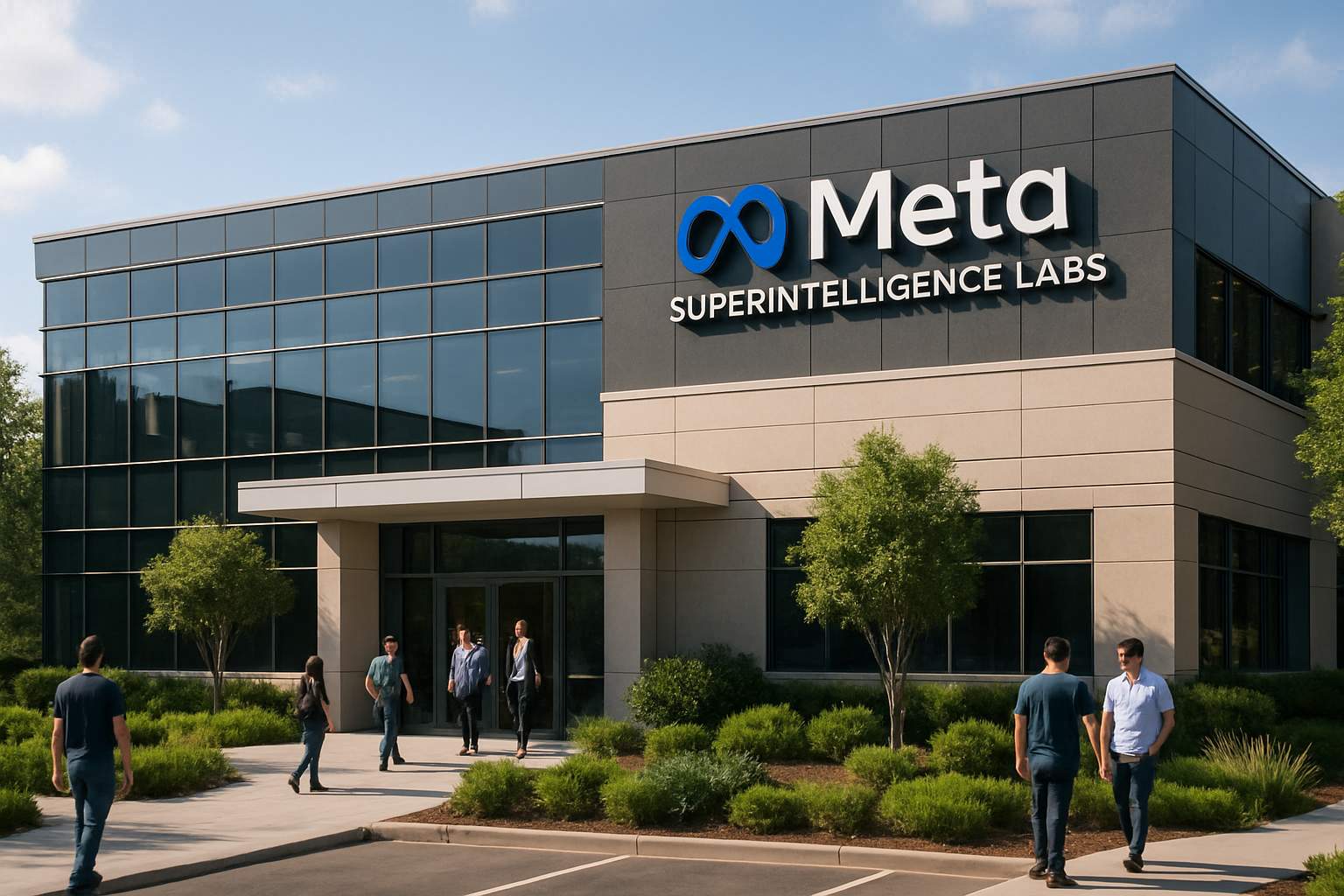
Meta’s silence and missing filings undermine confidence in the story. These gaps justify cautious skepticism. Nevertheless, validated moves offer clearer insight, as the next section shows.
Verified Recent Meta Deals
Concrete actions reveal Meta’s current trajectory. Moreover, each confirmed purchase aligns with public strategic aims.
- Scale AI stake: $14.3 billion for data labeling and leadership from Alexandr Wang.
- Manus acquisition: over $2 billion for general-purpose agents crossing $100 million ARR.
- Moltbook buy: undisclosed price yet 1.5 million agent registrations integrated into Meta Superintelligence Labs.
AP, PYMNTS, and Investing.com reported these numbers within hours of announcements. Consequently, investors tracked valuations accurately. Additionally, Meta Superintelligence Labs highlighted each deal during quarterly briefings. Dreamer AI appeared in none of those decks. Therefore, the verified list frames Meta’s authentic priorities.
Confirmed acquisitions illustrate deliberate platform building. However, talent strategy adds another layer, explored next.
Strategic Talent Moves Unpacked
Mark Zuckerberg personally recruits high-profile scientists for Meta Superintelligence Labs. Furthermore, the company embraces aggressive talent acquisition to secure scarce expertise. After the Scale AI investment, Alexandr Wang assumed a leadership role guiding data pipelines. Meanwhile, Manus founder Xiao Hong retained product autonomy while gaining Meta resources. In contrast, Moltbook’s co-founders Matt Schlicht and Ben Parr shifted from a consumer network to an internal agent directory. AGI researchers view these moves as textbook “acqui-hire” tactics. Consequently, Meta fills capability gaps quickly while competitors negotiate longer contracts.
The organization now hosts clusters of agent, data, and safety specialists under one roof. These concentrated teams accelerate prototype cycles. Nevertheless, integration challenges remain, as the following regulatory section explains.
Regulatory Watchdogs Raise Flags
Senators Warren, Wyden, and Blumenthal questioned whether such talent concentration threatens competition. Their recent letter cited reverse acqui-hire risks and named Meta Superintelligence Labs directly. Additionally, the Department of Justice now reviews large AI transactions more closely. Consequently, Meta must file detailed impact statements for future deals. Moreover, European regulators monitor superintelligence research for safety compliance. AGI watchdog groups argue that unchecked consolidation may hinder transparency. However, Meta insists its open-source releases offset control worries.
Heightened scrutiny could delay upcoming purchases. These pressures push Meta toward robust governance frameworks. Subsequently, technical considerations take center stage.
Technical Stakes Behind Superintelligence
Building systems beyond AGI demands immense data, compute, and evaluation loops. Therefore, Meta Superintelligence Labs integrates Scale AI pipelines with in-house clusters. Moreover, Manus agents furnish real-time user feedback, refining model cognition. Moltbook’s social layer provides an agent identity graph, essential for cooperative reasoning. Consequently, Meta edges closer to artificial superintelligence benchmarks. Dreamer AI, if it existed, would need unique assets to justify inclusion. Experts note that duplication wastes scarce GPU cycles. Meanwhile, safety teams develop red-teaming suites to probe emergent behaviors.
Technical synergies define acquisition value. However, business outcomes drive board approval, as explored next.
Business Implications For Ecosystem
Meta’s superintelligence push influences hiring markets globally. Furthermore, start-ups position themselves as future bolt-ons to giant labs, emphasizing Talent Acquisition narratives. Investors reward firms boasting agent architectures or synthetic data pipelines. Consequently, valuations climb despite thin revenue. Mark Zuckerberg signals willingness to pay premiums for strategic fits, reinforcing expectations. Nevertheless, regulatory delays may dampen exit possibilities. Suppliers also adjust, reserving GPU capacity for Meta’s future orders.
Ecosystem actors must monitor verified signals. These business ripples affect partner roadmaps. Meanwhile, professionals weigh skill upgrades, covered next.
Skills Path For Professionals
Aspiring engineers see Meta Superintelligence Labs as a prime career destination. Additionally, recruiters prioritize candidates fluent in agent orchestration, safety tooling, and large-scale evaluation. AGI research familiarity now appears in many job posts. Consequently, continuous learning becomes vital. Professionals can validate foundational expertise through the AI+ Foundation™ certification. Moreover, project managers sharpen resumes by highlighting prior Talent Acquisition collaborations within AI teams. Dreamer AI rumors demonstrate the importance of fact-checking before career pivots.
Skill-centric planning future-proofs careers. Therefore, informed individuals navigate hype cycles confidently.
Conclusion
Meta Superintelligence Labs stands at the center of verified multi-billion-dollar bets. However, no credible evidence yet supports a Dreamer AI purchase. Instead, publicly documented stakes in Scale AI, Manus, and Moltbook showcase a clear roadmap toward AGI and beyond. Moreover, regulatory scrutiny intensifies, pressing Meta to balance rapid Talent Acquisition with governance. Consequently, professionals must track authenticated developments and cultivate relevant skills. Consider enrolling in industry-recognized certifications to bolster expertise and remain competitive. Stay informed, keep learning, and engage with opportunities grounded in fact, not rumor.


