

AI CERTs
2 weeks ago
ThumbPay Links Aadhaar: Indian Financial Identity Goes Biometric
India’s latest fintech experiment lets shoppers pay with a single thumb impression. Gurugram startup Proxgy calls the device ThumbPay and links Aadhaar biometrics directly to UPI rails. Consequently, the launch reignites debate about the evolving Indian Financial Identity across inclusion, security, and governance. This article dissects the technology, market scale, benefits, and outstanding risks surrounding ThumbPay’s proposed rollout. Moreover, it evaluates what regulators, banks, and merchants must resolve before biometric payments reach nationwide adoption.
ThumbPay Concept Explained Clearly
ThumbPay pairs a certified fingerprint reader with an embedded 4G module and battery. When a customer presses their thumb, the terminal initiates Aadhaar Enabled Payment System authentication against UIDAI servers. Subsequently, successful identity verification triggers an instant UPI transfer from the Aadhaar-linked bank account to the merchant. Proxgy argues that fusing both rails produces a seamless Indian Financial Identity experience without smartphones, cards, or QR codes. Furthermore, optional NFC, QR, and soundbox modules broaden acceptance scenarios across high-traffic kiosks and delivery fleets.
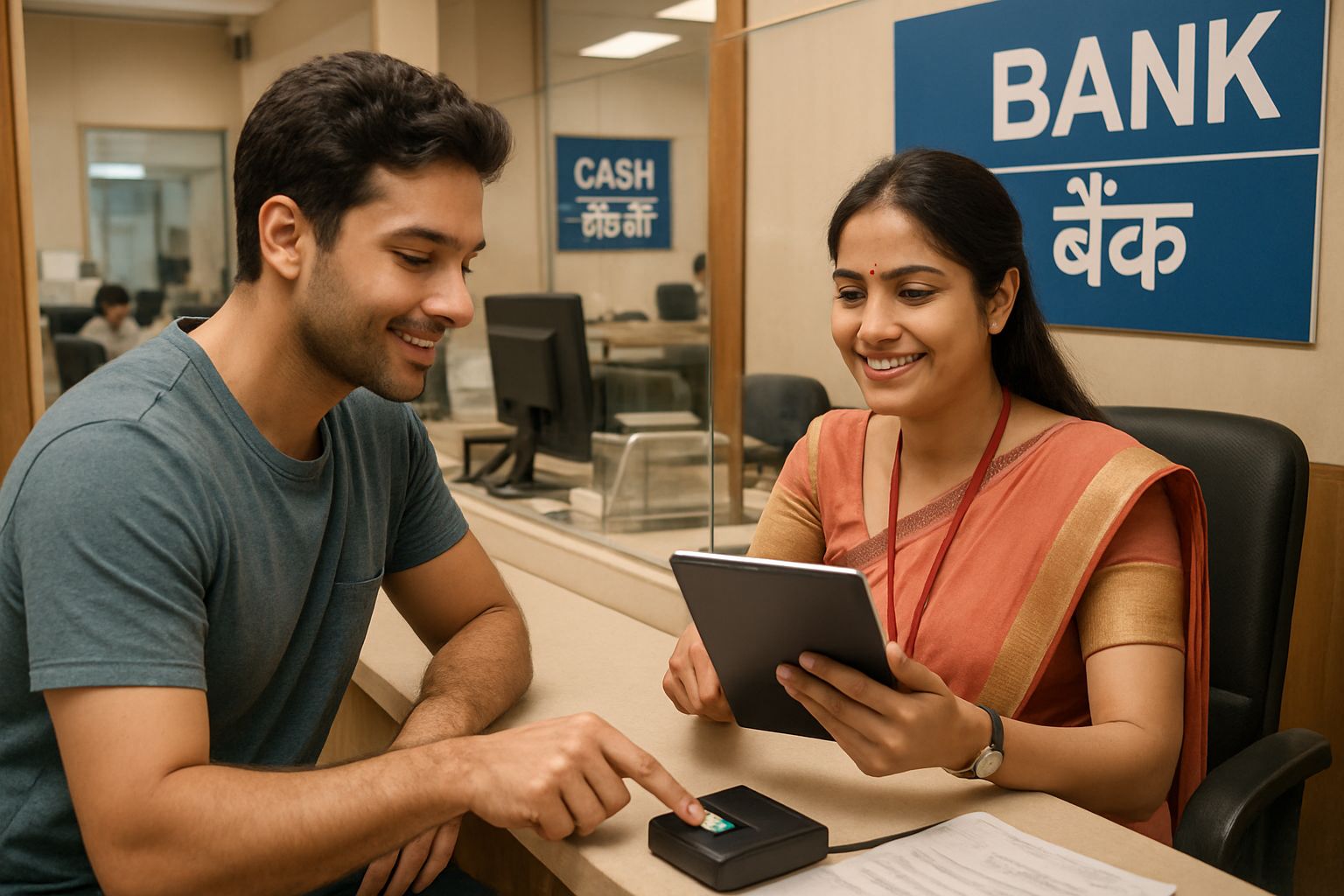
ThumbPay therefore unites biometric authentication with proven real-time settlement. Nevertheless, technical scale requires more than clever integration, as the next numbers indicate.
Market Scale Indicators Rise
India has issued 1.418 billion Aadhaar numbers, covering nearly the entire adult population. Meanwhile, UPI processed 20.7 billion transactions worth ₹27.28 lakh crore in October 2025 alone. Consequently, any device bridging both layers taps two of the world’s largest public digital utilities. Proxgy prices the ThumbPay terminal below ₹2,000, targeting the 30 million small merchants still dependent on cash. Additionally, pilots reportedly showed rapid adoption among roadside vendors serving customers lacking smartphones. These figures underscore why policymakers see biometric rails as central to the evolving Indian Financial Identity landscape.
Robust national numbers promise immediate scale for ThumbPay transactions. However, approvals and compliance pose the next big hurdle.
Regulatory Landscape And Approvals
NPCI unveiled on-device biometric UPI and Aadhaar face authentication features during the 2025 Global Fintech Festival. Therefore, legal pathways now exist for terminals like ThumbPay, subject to strict certification and transaction caps. UIDAI must still register the device under its updated verifier regulations and audit anti-spoofing safeguards. Moreover, NPCI guidance currently limits biometric UPI transfers to ₹5,000 per transaction during early rollout. Proxgy confirms pilots but awaits formal letters from both authorities before commercial shipments begin. Until clearances land, the promised Indian Financial Identity handshake remains aspirational for mass merchants. Professionals can enhance their expertise with the AI Network Security™ certification to navigate forthcoming compliance audits.
Regulatory decisions will determine the project’s launch timeline. Consequently, investors and merchants must monitor UIDAI and NPCI updates closely.
Benefits For Inclusion Drive
Millions still operate feature phones or no phones at all. ThumbPay offers them direct digital Payments through a familiar gesture instead of complex apps. Furthermore, merchants gain a portable soundbox that announces successful transfers and prints optional receipts. The company also touts ultraviolet sterilisation to reassure hygiene-conscious shoppers after the pandemic.
- Instant settlement reduces cash float.
- Lower fees than card networks.
- Offline battery operation suits rural kiosks.
- Interoperable rails protect merchant switching.
Moreover, integrating Aadhaar and UPI promises fewer failed authentications than standalone AEPS withdrawals. Such efficiency strengthens the broader Indian Financial Identity framework envisioned by policymakers.
ThumbPay could bridge smartphone divides and card fees simultaneously. However, gains lose value without parallel risk controls, discussed next.
Risks Demand Vigilant Security
Biometric templates cannot be changed once compromised. Consequently, cloned fingerprints used in AEPS frauds still haunt rural banking correspondents. ThumbPay claims STQC-graded sensors plus presentation-attack detection, yet independent audits remain unpublished. In contrast, privacy groups argue that expanding Aadhaar verification across private terminals dilutes user consent and exposes sensitive Data. Additionally, excluded users with worn fingerprints risk denial of essential Payments at peak hours. Therefore, civil society calls for alternative factors, transparent grievance redressal, and continuous penetration testing. Without such guardrails, the aspirational Indian Financial Identity could erode public trust instead of amplifying it.
Security and privacy gaps threaten merchant loyalty and consumer confidence. Subsequently, technical and legal mitigations become imperative for mass rollout.
Next Steps For Stakeholders
Proxgy must publish detailed security whitepapers and STQC certificates to reassure partnering banks. Meanwhile, UIDAI should clarify whether biometric templates remain on the device or transit only through encrypted channels. Banks and UPI apps need liability frameworks that define refund timelines for disputed thumb-based Payments. Moreover, regulators can commission inclusive design tests to certify accessibility for users with fingerprint challenges. Fintech associations may draft voluntary codes covering Data minimisation, breach disclosure, and algorithmic transparency. Such collective action will anchor a reliable Indian Financial Identity ecosystem that balances speed with accountability.
Stakeholders must align technical and governance playbooks quickly. Consequently, deployment milestones could accelerate over the coming quarters.
Strategic Takeaways And Outlook
ThumbPay sits at the intersection of Aadhaar, UPI, and India’s booming Fintech stack. The device promises lower costs, faster settlement, and wider reach than conventional point-of-sale terminals. Nevertheless, biometric spoofing, privacy exposure, and unresolved approvals remain non-trivial barriers. Consequently, early pilots will provide critical Data for refining the solution before festival season volumes arrive. Investors watching India’s Indian Financial Identity revolution should map risk controls as diligently as growth projections. Therefore, a balanced approach could transform biometrics into the safest retail rail yet.
Opportunities and dangers remain tightly coupled throughout ThumbPay’s journey. In contrast, decisive governance can tip outcomes toward equitable prosperity.
Biometric ThumbPay highlights how layered public infrastructure can produce frictionless retail experiences. Moreover, the project signals an upcoming phase where the Indian Financial Identity underpins every micro-transaction. Yet enduring success demands audited controls, transparent data governance, and inclusive design. Therefore, stakeholders should evaluate Proxgy’s certifications, regulatory filings, and user studies before large-scale procurement. Professionals aiming to steer similar deployments can upskill through the earlier mentioned AI Network Security™ certification. Consequently, informed leaders will shape a resilient Indian Financial Identity ecosystem that balances speed, Payments growth, and citizen trust. Meanwhile, fintech innovators should monitor pilot telemetry to iterate hardware and policy simultaneously. Ultimately, collective diligence will define how far biometrics steer the nation’s digital journey.


