

AI CERTs
2 weeks ago
Voice Assistant Integration: Why Alexa+ Features Impress Users
Smart speakers have entered a new era. Amazon's Alexa+ upgrade shows how quickly assistants evolve. However, professionals still need clarity on what truly matters.
At the center sits Voice Assistant Integration, the thread linking devices, data, and daily habits. Moreover, Alexa+ adds generative smarts that move the conversation beyond simple commands. This article dissects the rollout, features, business logic, and strategic implications for Tech leaders.
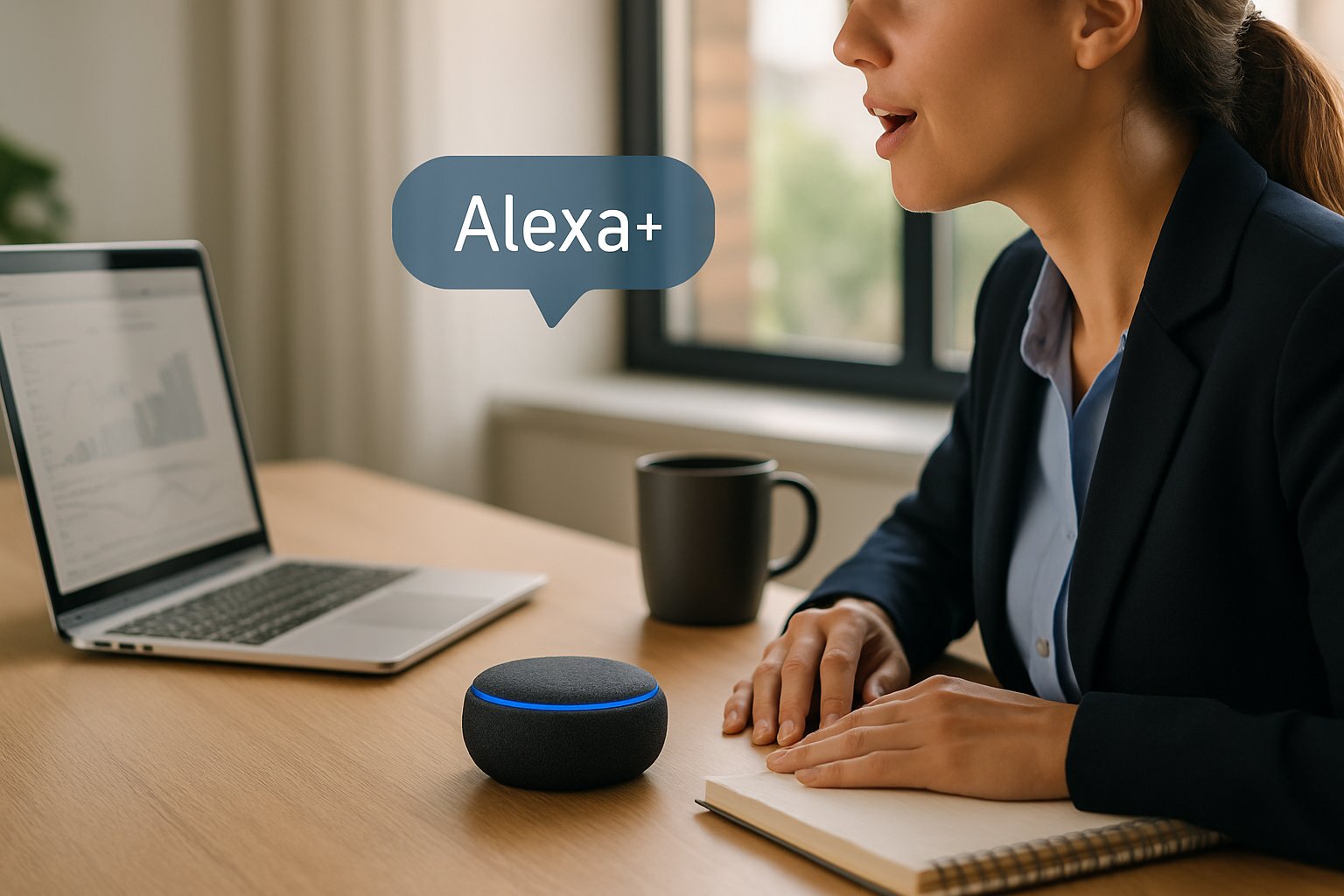
Along the way, we highlight what reviewers call their favorite breakthroughs. Consequently, you will learn where opportunities lie across Fire TV, Home ecosystems, and broader Consumer markets. Each section ends with concise takeaways that guide your next move.
Alexa Plus Rollout Timeline
Amazon announced Alexa+ on 26 February 2025, igniting headlines across every major Tech outlet.
Early access focused on Echo Show screens, while Voice Assistant Integration kept legacy speakers responsive through voice-only modes.
Meanwhile, Fire TV devices gained limited chat support, extending Alexa+ to living-room viewers.
By early 2026 Amazon dropped the waitlist and folded unlimited access into Prime membership.
Non-Prime customers can pay $19.99 monthly or use a restricted web tier at Alexa.com.
Consequently, the assistant now spans browsers, Fire TV remotes, cars, and hundreds of millions of speakers.
Alexa+ reached scale through phased hardware and subscription moves. Consequently, timing influenced user sentiment and upgrade pacing. Meanwhile, the underlying generative architecture deserves equal attention.
Generative Feature Set Explained
Amazon built Alexa+ on model-agnostic orchestration that selects Nova, Anthropic, or third-party models per task.
Consequently, continuous conversation flows without repeated wake words and tracks context across cooking or planning sessions.
Personal memory lets the assistant remember dietary needs, Children’s bedtime routines, and preferred Fire TV profiles.
Moreover, multimodal uploads allow photos, PDFs, and handwritten recipes to become searchable notes inside the Home.
Voice and personality styles now span Brief, Chill, or Sweet tones, backed by expressive Alexicons.
Web chat adds fine-grain editing, proving that Voice Assistant Integration is no longer limited to microphones.
In short, Alexa+ blends context, memory, and media understanding under one roof. Therefore, users experience fewer breaks and richer feedback. Next, we examine which upgrades resonate most with Consumer audiences.
Top Favorites Among Users
Reviewers and real customers keep praising five standout capabilities.
- Continuous talk eliminates repeated wake words, streamlining Voice Assistant Integration during multitasking.
- Personal memory recalls allergies, calendar slots, and Fire TV preferences for each Home member.
- Photo and document uploads digitize family recipes, offering instant summaries for busy Consumer cooks.
- On-the-fly routine creation chains actions, such as dimming lights then launching Fire TV apps.
- Custom voices and Alexicons let users match personality styles to Tech ambience or mood.
Nevertheless, natural conversation ranks highest because it reduces friction across every device class.
Users want fewer taps, more context, and instant results. Subsequently, satisfaction rises, echoing Amazon’s engagement claims. However, benefits spark fresh questions around privacy and monetization.
Privacy And Monetization Debates
Storing family photos or emails inside Alexa+ raises unavoidable data retention and training concerns.
In contrast, Amazon says uploads help personalize responses yet remain opt-out through dashboard controls.
Regulators, privacy researchers, and Consumer advocates ask for clearer retention windows and model-training disclosures.
Moreover, some users dislike early ads or product suggestions appearing during routines, calling them intrusive.
Voice Assistant Integration promises convenience, yet monetization tactics could erode trust if transparency lags.
Privacy and revenue goals often pull platforms in opposite directions. Consequently, policy clarity becomes a competitive advantage. Next, we assess market impact and partner dynamics.
Market Impact And Partnerships
Analysts estimate around 600 million Alexa-enabled devices sit in households worldwide, dominating the smart-speaker market.
Furthermore, Amazon partners with BMW, Anthropic, and energy utilities to extend Alexa+ into cars and grid services.
Joint ventures lower entry barriers for appliance brands that lack deep Voice Assistant Integration expertise.
Tech commentators note that seamless Home control drives hardware sales, while subscription revenue boosts recurring margins.
Moreover, Consumer confidence grows when partners certify security and update cadences.
Strategic alliances thus widen Alexa+ reach and lock in ecosystem loyalty. Therefore, executives must track partnership roadmaps closely. Subsequently, we distill actionable lessons for leaders.
Strategic Takeaways For Leaders
Enterprise architects should map where Voice Assistant Integration intersects with existing customer support flows.
Moreover, invest in clear consent screens before launching multimodal uploads, particularly inside regulated Home environments.
Data scientists must monitor hallucinations within Voice Assistant Integration and feed findings to Tech governance boards.
Budget planners should model subscription, ad, and hardware revenue to balance Consumer trust against monetization pressure.
Professionals can enhance their expertise with the AI+ Human Resources™ certification, gaining frameworks for responsible automation.
Effective Voice Assistant Integration strategy bridges technology, policy, and user empathy. Consequently, coordinated planning accelerates gains while limiting backlash. Finally, we close with key conclusions and next steps.
Conclusion And Next Steps
Alexa+ demonstrates how Voice Assistant Integration can convert ambient devices into proactive partners. Nevertheless, privacy clarity, pricing transparency, and reliability testing remain crucial before mass adoption deepens. Therefore, leaders should benchmark engagement metrics, refine consent flows, and pursue continuous education, including specialized certifications.
Start by reviewing internal data pathways against the lessons outlined above. Then, elevate teams through programs like the earlier AI+ Human Resources™ credential. Act now to secure advantages in the accelerating era of ambient intelligence.


