

AI CERTs
4 hours ago
Automated Food Service: AI Chefs and Robotics Reshape Dining
Robotic arms now stir sauces, and language models propose menus. These advances are converging inside a new generation of restaurants. The headline concept is Automated Food Service, where software and machinery orchestrate the entire shift. However, operators say humans still refine flavors and greet guests. WOOHOO in Dubai exemplifies this blended approach using an AI chef called Chef Aiman. Meanwhile, venture-backed start-ups race to lease turnkey robotic kitchens worldwide. Consequently, analysts predict a multibillion-dollar market before 2030. Nevertheless, questions around taste, labor, and reliability persist. This article unpacks momentum, economics, perception, and career opportunities shaping Automated Food Service. Readers will gain data, quotes, and actionable next steps. Additionally, we examine how emerging certifications prepare professionals for this automated kitchen shift. Finally, we outline strategic considerations for investors and Hospitality leaders tracking deployment risks. Prepare to tour the future of dining.
Market Momentum Trends Rise
Market analysts publish upbeat numbers each quarter. Moreover, The Business Research Company expects robot kitchens to hit $4.23 billion next year. SNS Insider projects an even steeper curve, reaching $9.29 billion by 2032. In contrast, methodological differences explain the spread.
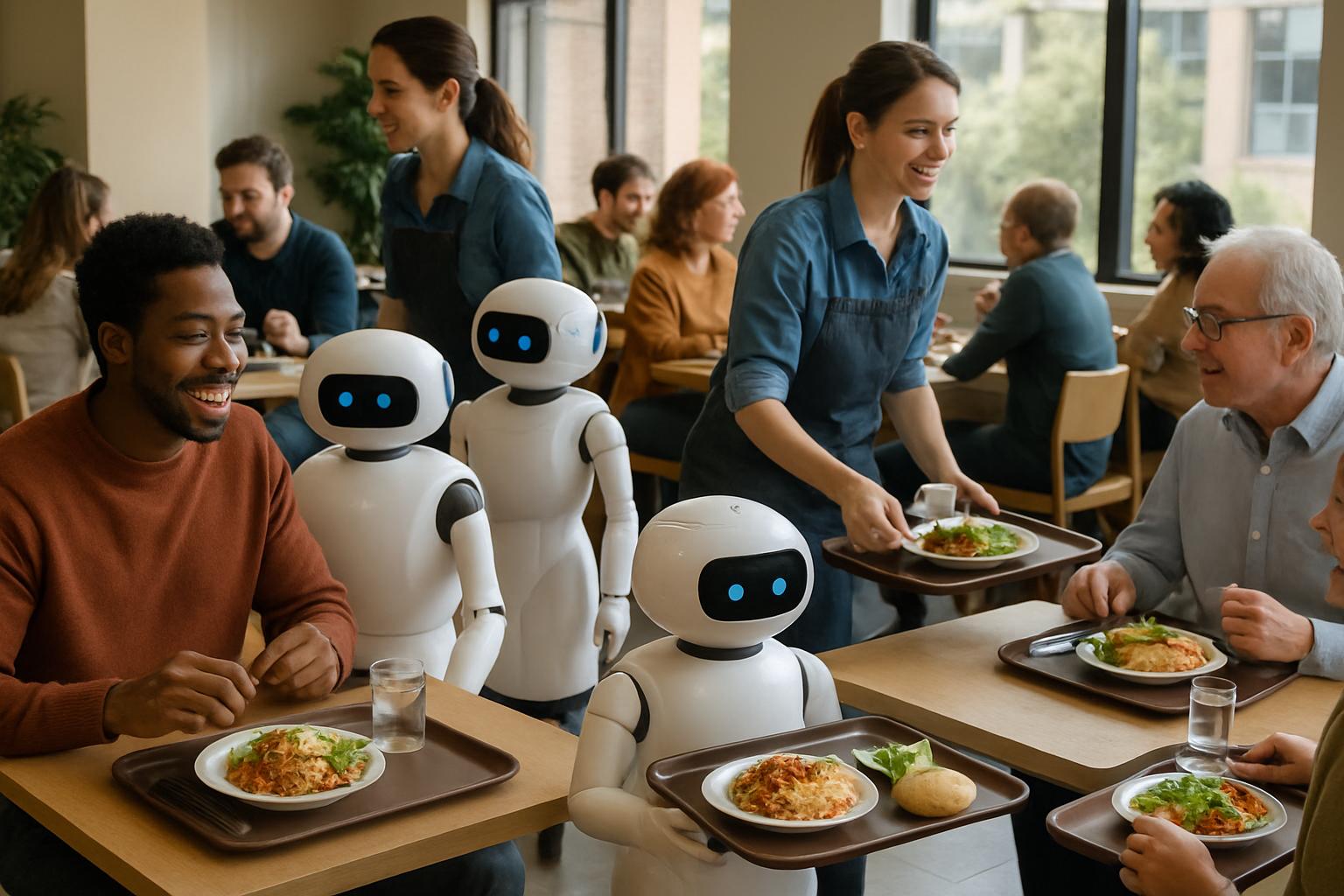
Several factors fuel this Automated Food Service surge. Consequently, quick-service chains facing chronic labor churn seek consistency through Robotics. Additionally, investors chase predictable unit economics promised by leasing models. Kernel, for instance, plans compact vegan outlets staffed mainly by algorithms and arms.
Key momentum indicators include:
- Pilot restaurants opening in five continents
- Leasing packages claiming two-year payback
- Media visibility driving customer curiosity
- Ingredient waste reductions of 15%
Collectively, these signals suggest sustained capital inflows. However, rosy forecasts ignore maintenance realities we explore next.
Dubai WOOHOO Case Study
WOOHOO opened in Downtown Dubai during September 2025. Chef Aiman, a culinary LLM, headlines the experience. Furthermore, human chefs like Reif Othman taste, adjust, and plate each creation. Gastronaut Hospitality markets the venture as collaborative rather than replacement.
Chef Aiman proposes hundreds of flavor pairings daily using proprietary data. Subsequently, the brigade cooks small batches, records feedback, and feeds results back into the model. Therefore, iterative learning mirrors agile software sprints. Visitors report visually daring plates alongside traditional service warmth.
Operational details reveal guarded automation boundaries. Notably, knife work and high-temperature sauteing remain manual for safety. Nevertheless, menu planning, mise en place sequencing, and cost forecasting run through the Automated Food Service stack. Hospitality academics view the hybrid workflow as a realistic transitional model.
WOOHOO demonstrates imaginative potential when algorithms meet artistry. Yet scalability remains unproven, leading us to economic analysis.
Robotics Economics Debate Today
Cost structures decide whether robots stay gimmicks or profit engines. Nala Robotics markets Pizzaiola units at leasing rates lower than a prep cook's salary. Moreover, the vendor claims break-even within 24 months under moderate footfall. Kernel echoes similar numbers for its central kitchen model.
However, independent operators caution against hidden costs like downtime and cleaning. Maintenance contracts, spare parts, and software updates inflate budgets unpredictably. Consequently, cash flow modeling must include conservative availability estimates. Academic studies suggest payback widens beyond projections when utilization dips below 70%.
Supporters of Automated Food Service cite standardized production as a hedge against wage inflation. Operators should interrogate at least four metrics:
- Throughput per hour during peak
- Mean time between failures
- Total cost of consumables
- Staff reskilling expenditure
Robust due diligence narrows hype gaps. The next section explores consumer sentiment shaping revenue forecasts.
Consumer Trust Factors Examined
Taste remains king despite dazzling machinery. ScienceDirect studies show some diners discount robot-made meals without blind testing. In contrast, blind panels often score dishes similarly to human benchmarks. Therefore, perception management equals recipe development in importance.
Restaurants deploy narrative cues like naming the AI chef or exhibiting shiny arms. Additionally, transparent sourcing dashboards build confidence about allergens and sustainability. Hospitality unions, however, warn of creeping job erosion hurting community rapport. Consequently, many brands highlight staff upskilling rather than layoffs.
Automated Food Service operators can adopt three proven trust levers. First, invite guests to observe Cooking robotics in action. Second, publish nutrition data derived from model analytics. Third, retain hosts who contextualize the meal journey.
Trust strategies reduce novelty risk at launch. Next, we look toward technological evolution shaping 2030 kitchens.
Technology Roadmap Ahead 2030
Hardware and software roadmaps converge quickly. Edge AI chips will allow on-site inference, slashing cloud latency. Moreover, modular grippers will switch tasks between frying, slicing, and pastry Cooking within minutes. Tech giants already demo vision models that detect doneness levels with sub-second accuracy.
Meanwhile, generative recipe LLMs ingest supply chain prices to create margin-optimized menus. Consequently, Automated Food Service backends could adjust offerings hourly based on tomato futures. Robotics firmware updates will arrive over-the-air like smartphone patches. In contrast, food regulations might slow deployment speed.
Cybersecurity also gains prominence as bots handle knives and boiling oil. Therefore, vendors integrate real-time anomaly detection and safe-halt protocols. Tech audit trails will become prerequisites for franchise financing.
Roadmaps promise smarter, safer, and greener kitchens. However, skills gaps could stall adoption, which our final section addresses.
Skills Certification Path Forward
Human expertise still anchors quality control. Chefs, engineers, and managers must master cross-disciplinary vocabulary. Additionally, data governance knowledge underpins algorithmic menu design. Therefore, credentials matter during this Automated Food Service transition.
Professionals can validate abilities through the following options. Practitioners should pursue the AI Robotics™ certification for Robotics integration. Moreover, food safety courses now include modules on sensor calibration and LLM auditability. Tech bootcamps add gastronomic datasets to curricula, bridging Cooking creativity and code.
Hiring managers tell us certificates accelerate onboarding by clarifying shared standards. Consequently, career paths widen for adaptable Hospitality professionals willing to retrain.
Combined, structured learning and on-site mentorship build resilient teams. Explore certifications today to lead the Automated Food Service evolution.
Automated kitchens are no longer science fiction. From Dubai's AI gourmet lab to pizza robots in malls, deployments multiply yearly. However, financial discipline, robust trust strategies, and skilled teams determine sustainable success. Market forecasts remain bullish, yet maintenance data demand scrutiny. Meanwhile, consumers seem willing to embrace novelty when flavor excels. Therefore, leaders should pilot systems, measure throughput, and refine human roles iteratively. Pursue reputable certificates, stay current on regulations, and prepare for an Automated Food Service future arriving soon.


