

AI CERTs
3 hours ago
TraceMap Elevates Supply Chain Oversight Across EU Food Safety
On 10 March 2026, the European Commission launched TraceMap, an AI platform fighting global food fraud. The release reshapes Supply Chain Oversight by connecting millions of regulatory records into searchable knowledge graphs. Consequently, national authorities can trace suspicious consignments within minutes rather than days. Stakeholders describe the upgrade as a game-changer amid rising EU alerts about contamination and safety breaches. According to the 2024 Alert & Cooperation Network report, over 10,000 notifications flooded systems last year alone. Moreover, TRACES processed roughly four million documents, stressing investigators and hindering timely recalls. TraceMap integrates that volume, applies natural language processing, and visualises hidden operator links. This article unpacks the technology, pilot results, benefits, and open governance questions. It also explores how regulators plan to balance health protection with privacy compliance. Finally, readers receive practical next steps and certification resources for strengthening professional competence.
AI Reinvents Food Traceability
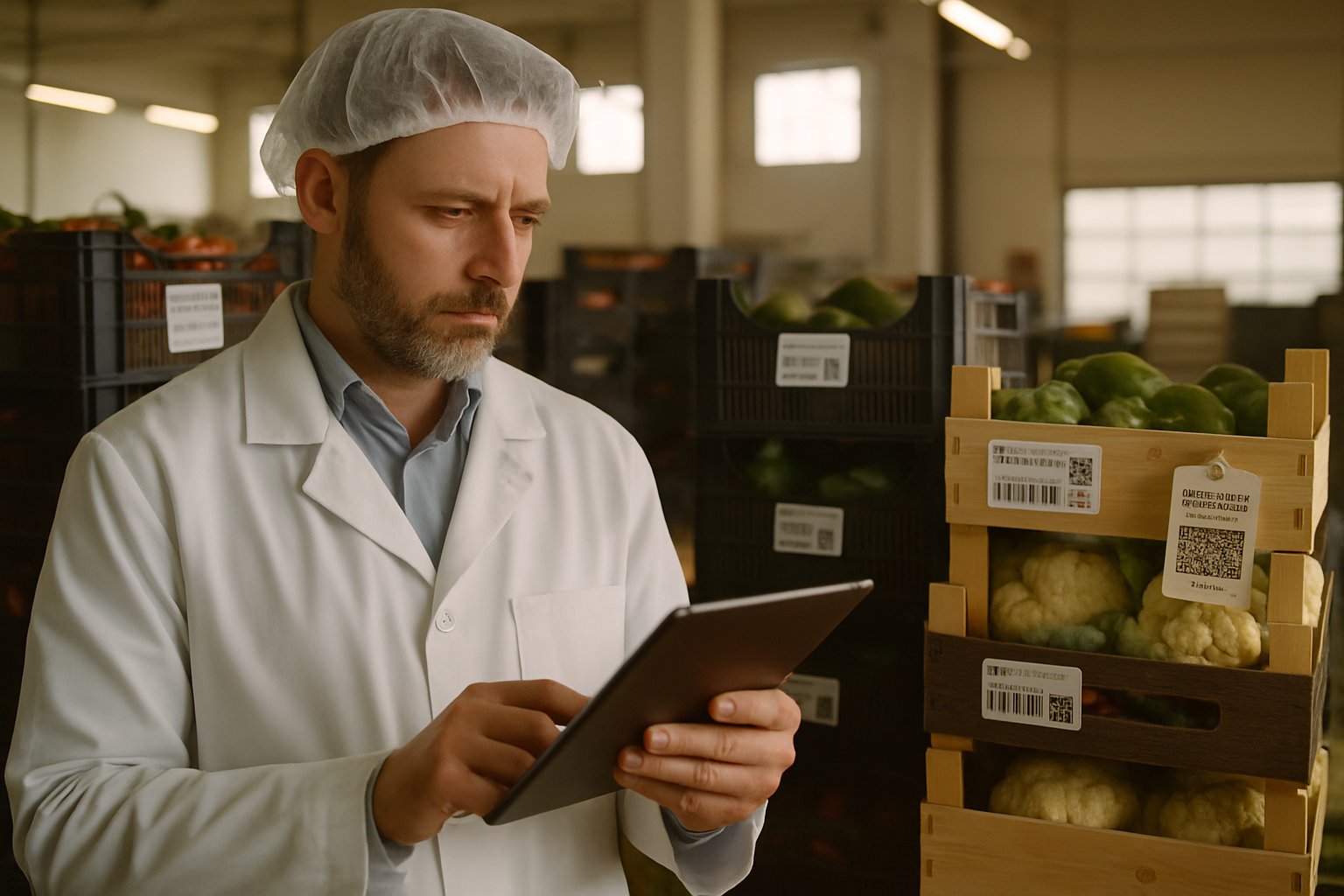
TraceMap builds on lessons from past horsemeat and salmonella scandals that shook consumer confidence. In contrast, earlier Supply Chain Oversight relied on manual spreadsheet matching, often missing multi-country fraud schemes. Now, machine learning extracts operator names, lot codes, and shipment dates from unstructured certificates. Subsequently, a graph database links entities, enabling instant visualization of cross-border movements. Therefore investigators see possible contamination chains before products reach supermarket shelves. TraceMap shifts work from clerical tasks to analytical decisions. However, deeper technical details clarify why speed gains are possible.
Inside The TraceMap Engine
DG SANTE architects designed TraceMap as an extension inside the iRASFF ecosystem. Consequently, the platform ingests RASFF alerts, TRACES certificates, and national lab reports in near real time. Processing starts with natural language pipelines that achieve about 70 percent extraction accuracy in Commission pilots. Knowledge graphs then represent operators and consignments as nodes, strengthening Supply Chain Oversight with hidden trading patterns. Meanwhile, interactive dashboards let inspectors traverse hundreds of documents through a single click.
Core Technical Building Blocks
- NLP pipelines tokenize attachments and extract entities such as operator identifiers, chemicals, and health certificates.
- Graph algorithms detect duplicate documents, cyclic trade flows, and fraud clusters across EU borders.
- Cost-efficient cloud runs average €3 per case during pilot demonstrations, according to WTO briefing notes.
These components cooperate to shorten investigation cycles from weeks to hours. However, successful deployment still depends on data quality and staff training. The engine’s architecture offers scalable speed and breadth. Next, real incidents illustrate measurable benefits.
Real World Pilot Lessons
Commission officials frequently cite the infant formula recall that trialled TraceMap in 2024. Moreover, the case involved ARA oil from China that introduced unexpected contamination into European supply lines. TraceMap highlighted linked invoices and lab results across three Member States within four hours, authorities report. Consequently, retailers pulled affected batches before any reported illness, protecting public health. Investigators estimated the AI reduced clerical workload by 70 percent during the exercise. Sandra Gallina noted that manual cross-checking previously consumed several days per alert. Nevertheless, early extraction errors required human review to avoid mistaken operator flagging. Officials stress that quality assurance remains essential for reliable Supply Chain Oversight. These lessons reveal both promise and caution. Therefore, attention now turns to broader operational value.
Benefits For Investigators
TraceMap delivers measurable efficiencies, according to DG SANTE analytics. Furthermore, ACN data shows alert processing times dropped from 48 hours to 6 hours during limited testing. Investigators highlight three headline gains.
- Faster recall coordination across EU borders, boosting consumer safety.
- Broader pattern recognition that spots recurring fraud, improving Supply Chain Oversight.
- Resource optimization that lets small agencies focus on high-risk contamination events.
Moreover, EFSA analysts believe earlier detection reduces outbreak magnitude by limiting exposure windows. Consequently, health costs from hospitalization and long-term complications could fall. These advantages bolster the EU strategy for resilient food systems. However, benefits come with technical and regulatory caveats. Improved efficiency alone will not guarantee trust. Next, critics examine emerging risks.
Accuracy Privacy Governance Risks
TraceMap’s pilot accuracy sits near 70 percent, leaving room for false positives and negatives. In contrast, legal thresholds demand high evidential certainty before enforcement. Therefore, Member States embed human validation workflows around every automated lead. Data protection observers also question compliance with GDPR principles of minimization and purpose limitation. Additionally, authorities have not published a complete Data Protection Impact Assessment. Transparency advocates want model documentation, audit logs, and error disclosure. Meanwhile, trade diplomats worry that publicizing supplier links could strain relations with exporting countries. Supply Chain Oversight requires balanced governance that safeguards privacy without hiding critical safety findings. These unresolved issues may shape adoption speed. Consequently, stakeholders push for clearer accountability frameworks.
Implications For Trade Stakeholders
Food manufacturers recognize potential brand exposure when TraceMap flags shipments. Nevertheless, proactive data sharing can demonstrate compliance and reinforce customer safety confidence. Importers may face additional document requests, yet earlier warnings could prevent expensive recalls. Furthermore, insurers tracking contamination incidents expect lower claim volumes once patterns surface sooner. Supply Chain Oversight also offers investors clearer risk signals before financing complex agri-food ventures. EU trade negotiators argue the platform supports fair competition by exposing fraud rings. However, transparency must respect commercial confidentiality to maintain trust. These market dynamics will evolve alongside regulatory clarifications. Subsequently, professionals should update competencies through recognised training. Professionals can deepen governance skills through the AI Security Level-2 certification. Stakeholder preparedness therefore hinges on early education. Next, we examine anticipated milestones.
Next Steps And Outlook
Commission teams plan progressive onboarding of every national authority during 2026. Additionally, DG SANTE will release updated technical documentation later this year, officials say. EFSA intends to supply outbreak analytics, complementing TraceMap’s fraud focus. Meanwhile, data-protection boards are preparing guidance on AI explainability for safety critical systems. Industry groups welcome consultation opportunities yet seek clarity on appeal processes for incorrect flags. Supply Chain Oversight will mature as accuracy improves, governance strengthens, and user communities share feedback. Consequently, the coming year could define TraceMap’s credibility across global markets. These planned actions illustrate momentum and remaining uncertainties. Finally, leaders should monitor metrics and invest in responsive training.
TraceMap signals a pivotal shift for EU food governance. By welding AI analytics to vast datasets, the platform accelerates fraud detection and contamination response. However, sustained trust demands transparent governance, rigorous accuracy testing, and strict privacy safeguards. Therefore, agencies must pair technology with skilled investigators and clear audit trails. Professionals who master data governance and security will shape next-generation Supply Chain Oversight. Consider pursuing the previously mentioned AI Security Level-2 certification to stay competitive. Act now, and help deliver safer food for global consumers. Enhanced Supply Chain Oversight ultimately protects public health while supporting resilient trade.


