

AI CERTs
3 hours ago
Biometric Bias Research: Essex Police Facial Recognition Bias
Essex Police recently released documents that reignited Biometric Bias Research debates. The materials include an Equality Impact Assessment, Freedom of Information logs, and test data. Moreover, independent evaluations from the National Physical Laboratory and Cambridge University deepen the evidence pool. Together, these sources offer a rare operational snapshot of live facial recognition performance and fairness.
Consequently, stakeholders now possess granular statistics on true-positive rates, false-positive rates, and demographic variance. In contrast, earlier public debates relied on high-level anecdotes and fragmented trial audits. Therefore, the new evidence lets analysts separate technical bias from procedural shortcomings. This article unpacks the findings, highlights implications for policing strategy, and outlines next steps for regulators and vendors.
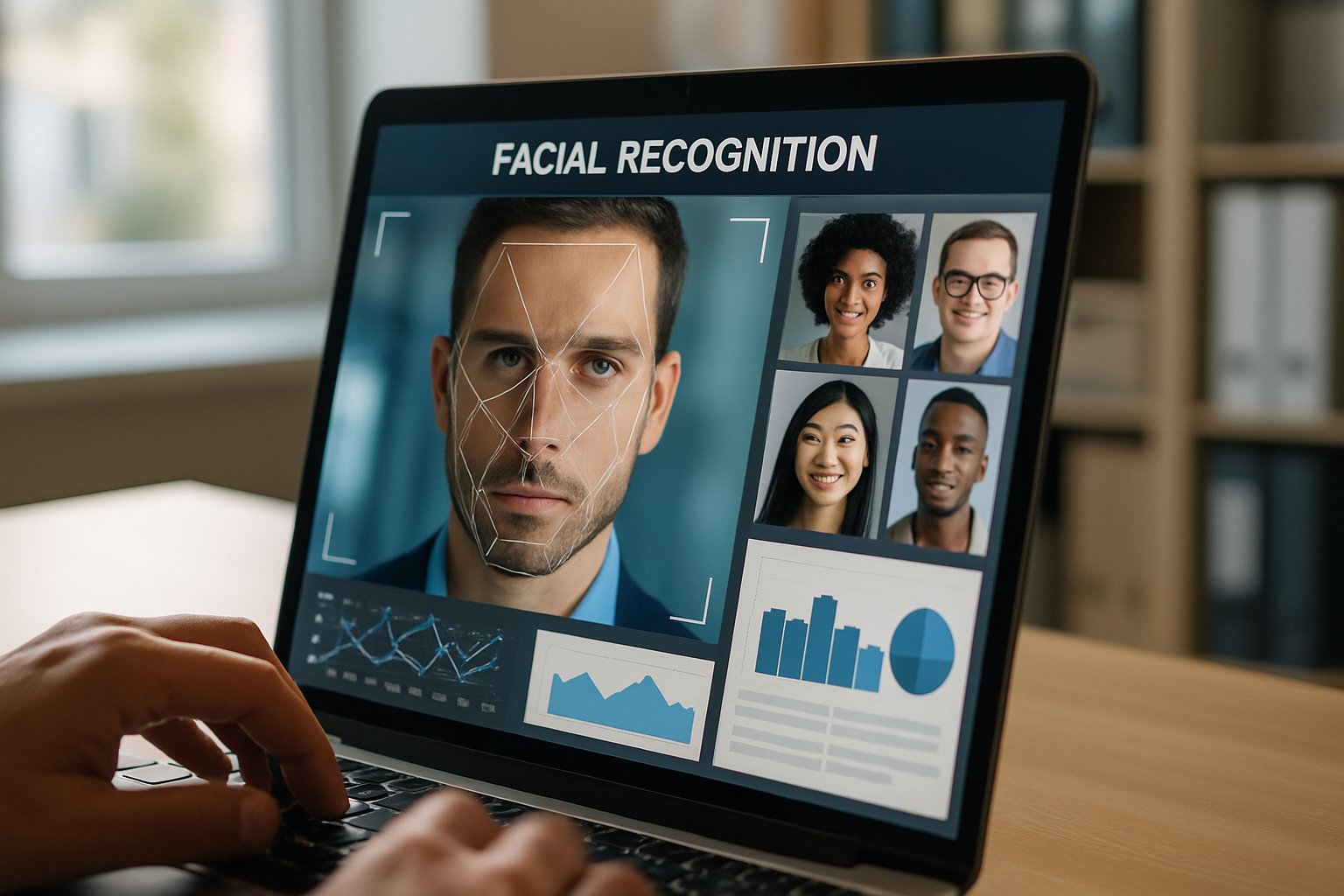
Additionally, we track terminology precisely. Live facial recognition (LFR) refers to real-time camera use against watchlists. Retrospective facial recognition involves historical footage. Operator-initiated searches combine handheld devices with near-instant checks. Understanding these modes clarifies which metrics matter most when assessing fairness.
Study Headlines Fully Explained
Media reports claimed the Essex study proved systemic bias. Nevertheless, the underlying data show a more nuanced picture. The NPL Equitability Study recorded an 89% true-positive identification rate at a 0.60 threshold. Meanwhile, Cambridge’s controlled 188-actor exercise supported an operational threshold of 0.55 but recommended further review. Biometric Bias Research often distinguishes between accuracy and fairness. That distinction remains central here.
These headline figures confirm respectable accuracy yet reveal configuration sensitivity. However, the real fairness debate emerges in the demographic metrics that follow.
Key Accuracy Metrics Overview
Precise metrics drive credible policy decisions. Consequently, Essex and NPL published both true-positive and false-positive rates per demographic group. At the 0.60 benchmark, NPL saw no statistically significant gap across ethnicities. In contrast, false-positive rates ballooned at lower thresholds and larger watchlists. Researchers emphasise that Racial bias manifests more in false alerts than missed matches.
- True-Positive Identification Rate: 89% overall; 86% Black, 89% White
- False-Positive Identification Rate: 0.017% at 0.60; 0.004% at 0.62
- Essex deployment 19 Oct 2024: 39,401 faces scanned; 5 alerts; 3 arrests
- Procurement spend: £598,200 over five years; two LFR vans
In urban settings, camera use density directly inflates watchlist comparisons.
Therefore, raw numbers alone never settle the fairness issue. The next section shows how thresholds shift both accuracy and equity.
Why Thresholds Affect Fairness
Threshold selection defines the sensitivity-specificity trade-off. Moreover, watchlist size multiplies false-alert risk mathematically. NPL projected that a 10,000-image watchlist at threshold 0.60 yields one false alert every 6,000 scans. However, dropping the threshold to 0.55 could trigger many more mistakes. Biometric Bias Research underscores that these extra false alerts disproportionately target Black and Asian faces.
Demographic Disparity Data Findings
Cambridge’s interim analysis supports NPL’s warning. Additionally, Essex recorded a documented false positive caused by a low-resolution thumbnail. That single event involved a Black subject mistakenly flagged during a high-footfall deployment. Consequently, Essex now blocks thumbnail entries on watchlists. Such procedural tweaks demonstrate how operational choices interact with algorithmic properties.
Lower thresholds inflate error rates and skew them across communities. Nevertheless, well-designed safeguards can dampen that disparate impact before live deployment.
Operational Lessons For Policing
Practical learning extends beyond code and thresholds. Therefore, Essex publishes deployment playbooks covering officer briefings, signage, and post-event data deletion. Furthermore, eight trained staff accompany each van to validate alerts and manage crowds. Such staffing costs explain the £598,200 spend reported through FOI.
Biometric Bias Research indicates that officer training reduces confirmation bias during intervention. Accordingly, Essex mandates dual operator sign-off before engagement. Racial bias metrics will be monitored quarterly to verify progress.
- Select thresholds using Biometric Bias Research guidance
- Maintain thresholds above 0.60 during high-density events
- Limit watchlist size to proven necessity
- Ban low-resolution or obscured images
- Require human confirmation for every match alert
- Publish Biometric Bias Research results after each quarter
These measures align technical performance with public legitimacy. In contrast, absent controls can amplify both Racial bias and reputational risk.
Consequently, regulators are sharpening oversight.
Regulatory And Legal Landscape
The Information Commissioner’s Office recently audited two forces and signalled expanded supervision. Meanwhile, the Equality and Human Rights Commission intervened in litigation challenging necessity tests. Bridges v South Wales Police still shapes UK jurisprudence by requiring rigorous proportionality assessments. Biometric Bias Research plays a pivotal evidentiary role during these judicial reviews.
Racial bias remains a statutory equality duty for forces.
Cost And Deployment Data
Transparency demands financial context. Additionally, FOI disclosures confirm Essex spent nearly £600,000 on hardware, software, and staff training. Camera use figures show more than one million scans over recent years. Despite volume, recorded arrests remain in the hundreds nationally. Therefore, critics argue the cost-benefit case remains unproven.
Regulators will weigh these financial and fairness factors together. Nevertheless, frontline commanders still need actionable guidance.
National Biometric Bias Research networks now share anonymised deployment logs across forces. Thus, consistent auditing frameworks may soon emerge.
Further Biometric Bias Research will examine cost efficiency over time.
Future policing decisions will rely on evidence, not hype.
Ultimately, Biometric Bias Research demonstrates that algorithmic fairness hinges on small configuration details and robust governance. Moreover, Racial bias can be reduced when policing units pair conservative thresholds with disciplined human oversight. Camera use policies must therefore reflect contextual risk, crowd density, and watchlist composition. Consequently, future policing choices should align with transparent metrics and independent audits. Professionals can sharpen deployment governance through the AI+ Educator™ certification. This credential deepens technical insight while reinforcing ethical standards. Engage with the wider Biometric Bias Research community and share empirical results to advance responsible innovation.


