

AI CERTS
3 hours ago
Apple Rollout Elevates Biometric Safety Compliance Worldwide
However, critics worry that mandatory verification erodes privacy. Therefore, Cupertino’s approach seeks to balance privacy with legal mandates. The coming months will reveal whether the strategy satisfies diverse laws and cultural norms. Meanwhile, developers must adapt quickly or risk store removal.
Biometric Safety Compliance Landscape
Biometric Safety Compliance now underpins many jurisdictional frameworks governing digital marketplaces. Moreover, legislators prefer scalable technical signals over manual document checks.
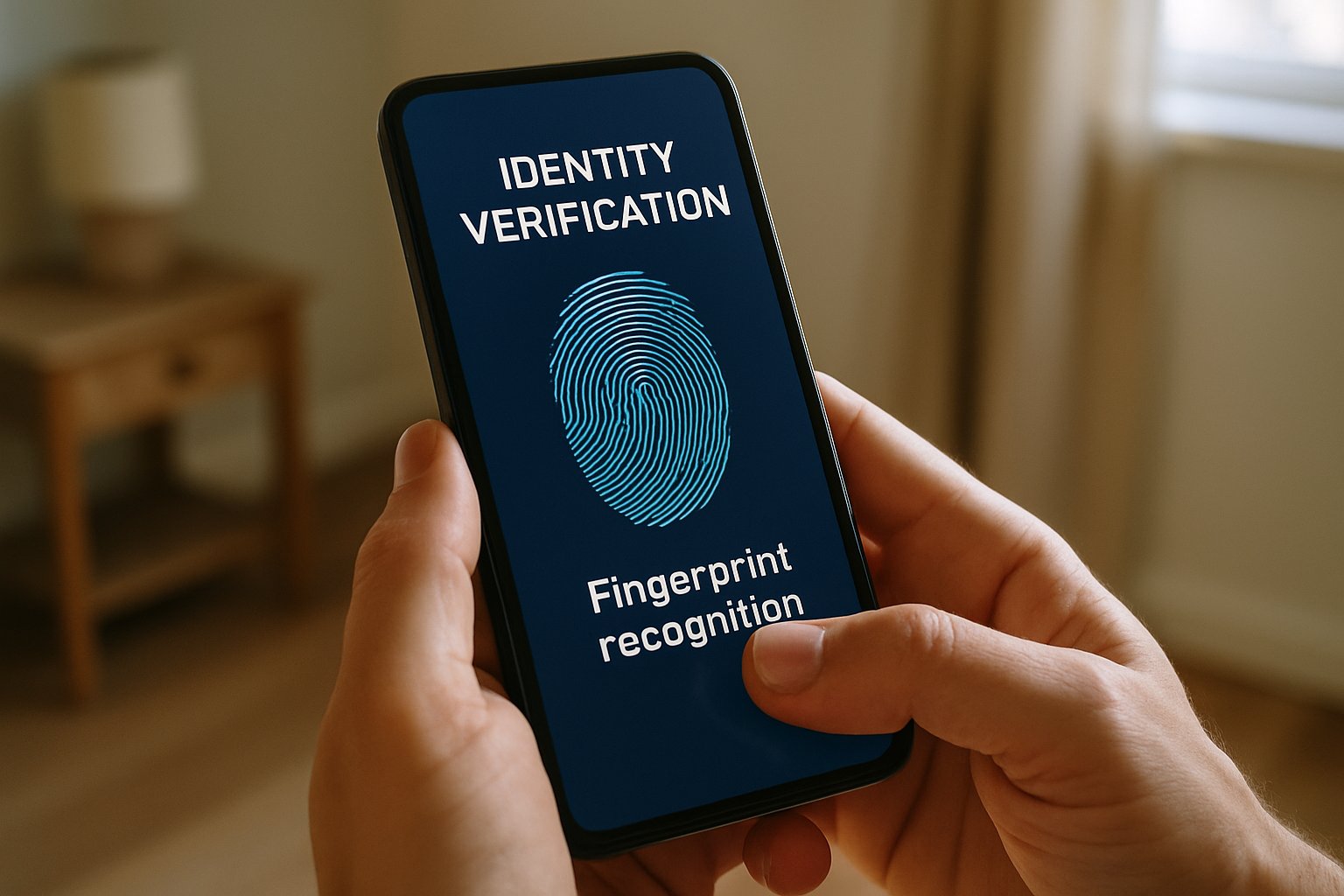
Apple positions its Declared Age Range API as a privacy-preserving response to Child safety mandates. In contrast, several rivals test face estimation services that stream raw imagery to clouds.
These differing philosophies create a fragmented compliance map. However, shared goals continue to shape emerging standards.
The landscape remains fluid and highly contested. Consequently, global coordination challenges persist as we explore the rollout details.
Global Rollout Overview Today
February’s update activated platform blocks in Australia, Brazil, and Singapore within hours. Furthermore, accounts flagged as minors cannot download 18+ titles until adult status confirms.
Developers in all regions gained API access when they rebuilt against iOS 26.2 or later. Meanwhile, Apple communicated that account onboarding flows would soon surface age categories automatically.
- Feb 24 2026: Worldwide API availability announced.
- May 6 2026: Utah enforcement under state laws begins.
- July 1 2026: Louisiana mandates activate new verification checks.
- Ongoing: Over half U.S. states debating comparable laws.
These milestones illustrate aggressive regional timetables. Therefore, understanding legal triggers is essential before shipping an update.
Legal Drivers And Deadlines
Many newly enacted laws target social apps, adult content portals, and gaming networks. Consequently, penalties can reach significant five-figure sums per violation.
Utah’s App Store Accountability Act exemplifies this trend. In contrast, Louisiana’s HB 570 focuses on fresh account creation and demands heightened verification accuracy.
Security researchers flagged potential constitutional conflicts and bias risks in open letters. Nevertheless, court challenges have yet to delay the current deadlines.
Deadlines compel swift technical responses across the ecosystem. Subsequently, we review the tools powering compliance.
Technical Toolkit Explained Clearly
The Declared Age Range API sits at the heart of the toolkit. Moreover, it returns only an age band plus metadata describing the chosen verification method.
PermissionKit handles guardian consent for minors and can block launches if consent is revoked. Meanwhile, App Store server logic blocks 18+ downloads where required.
Digital ID in Wallet stores identity attestations on-device, reducing external data retention. Professionals can enhance their expertise with the AI+ Robotics™ certification. Consequently, certified teams navigate Biometric Safety Compliance requirements more confidently.
- Self-declared date of birth
- Payment instrument inference
- Government ID document verification
- Biometric face estimation
- Device-held digital attestations
These components offer modular solutions for varied regional mandates. However, privacy concerns continue to shadow technical progress.
Privacy Tradeoffs And Critiques
Civil society groups argue that even minimal signals enable cross-service profiling. EFF warns that broad enforcement threatens free expression and Child safety paradoxically.
Over 350 academics signed an open letter stating the regulation might cause more harm than good. In contrast, Apple insists its design prevents central storage of sensitive biometrics.
Researchers also highlight bias in biometric estimation models, especially for darker skin tones. Nevertheless, published error rates remain scarce, leaving transparency gaps.
The debate shows that Biometric Safety Compliance is not a silver bullet. Therefore, stakeholder dialogue will shape refinements that affect developer obligations next.
Business Impact For Developers
Missed compliance can trigger store takedowns and revenue loss. Moreover, integrating the API demands rebuilding with the latest SDK and retesting flows.
Small studios fear opportunity costs, yet early adopters report smoother parental onboarding. Meanwhile, Apple flagged that PermissionKit requests can improve rating approvals in regulated markets.
Budgeting for legal audits is prudent because laws evolve quickly. Consequently, teams incorporate compliance checkpoints into sprint rituals.
Clear roadmaps reduce last-minute fire drills. Subsequently, attention turns to future regulatory waves and tooling updates.
Future Outlook And Actions
Policy trackers count more than twenty U.S. states considering fresh age-assurance bills this year. Consequently, Biometric Safety Compliance will likely move from optional to expected across digital services.
Industry observers predict convergence on device-held attestations that support offline proof while preserving privacy. However, any global standard will require agreement among regulators, platforms, and rights advocates.
Developers should monitor SDK notes, join pilot programs, and test fallback flows early. Additionally, investing in staff training and independent audits strengthens credibility.
Foresight now prevents expensive rewrites later. Therefore, embracing certified knowledge can future-proof compliance strategies.
Biometric Safety Compliance has shifted from niche concern to core product requirement. Moreover, Biometric Safety Compliance offers a defensible framework when regulations differ across territories. Child safety goals, market access, and brand trust all depend on rigorous implementation. Nevertheless, privacy and equity debates demand ongoing vigilance. Teams that couple Biometric Safety Compliance mastery with certified learning gain strategic advantage. Consequently, explore the linked AI+ Robotics™ credential to deepen Biometric Safety Compliance insight and stay ahead.


