

AI CERTS
3 hours ago
Energy AI Risk: WTO Flags Oil Price Threat
The stakes are immense because the WTO projects AI could expand global trade by up to 37 percent by 2040. Nevertheless, that upside depends on affordable, reliable power and smooth hardware flows. Stakeholders therefore confront an urgent question: can AI progress continue if oil volatility persists?
WTO Report Highlights
The WTO’s World Trade Report 2025 positions AI as a transformative trade catalyst. Moreover, the study estimates a potential 34-37 percent boost in goods exchange within fifteen years. It also notes data centres already consume about 1.5 percent of global electricity. Consequently, energy availability ranks beside semiconductors and data flows as a critical input.
The report links escalating Oil costs to wider inflation that raises server shipping fees and capital charges. Ralph Ossa, the organization’s chief economist, recently warned that Middle-East tensions could chill investment by lifting oil benchmarks and interest rates simultaneously. That warning underscores the central Energy AI Risk shaping boardroom strategies.
These findings show immense promise tempered by material constraints. However, deeper drivers of vulnerability require examination next.
Oil Shock Fallout
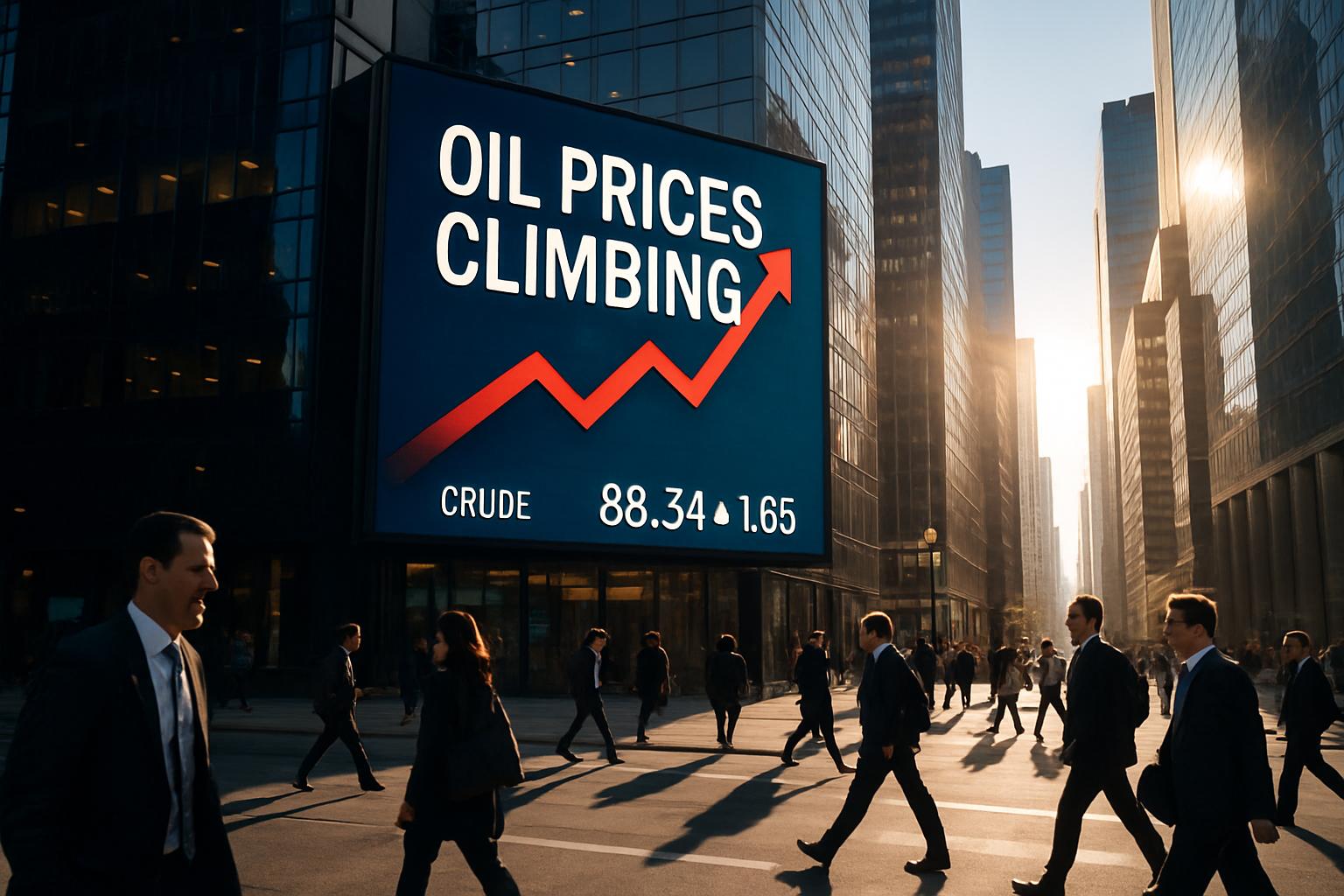
Early March 2026 delivered a vivid stress test. Disruptions in the Strait of Hormuz pushed Brent and WTI up roughly 10-30 percent within one week. Furthermore, traders contemplated triple-digit crude if blockages persisted. Electricity markets responded quickly because many grids still depend on oil-linked fuels or price correlations with natural gas. Therefore, data-centre operators faced immediate margin pressure. The episode spotlighted how Oil costs propagate through the global economy, lifting transport surcharges for racks, turbines, and cooling gear. In contrast, stable energy inputs had been assumed in many AI business cases.
The shock revealed fragile cost assumptions. Consequently, corporate planners began reassessing project timelines, a theme explored in the next section.
Data Centre Constraints
Hyperscale campuses demand vast, steady wattage. Additionally, grid operators report multi-year connection queues in Virginia, Dublin, and Frankfurt. Industry surveys show United States data-centre demand could jump from 200 TWh in 2022 to 260 TWh by 2026, mainly from AI workloads. Meanwhile, utilities struggle to deliver matching capacity because transmission upgrades lag. Rising Oil costs inflate generator fuel bills and backup-diesel contracts, intensifying the Energy AI Risk. Consequently, site selection now hinges on renewable penetration, wholesale power tariffs, and permitting speed.
These physical limits compound price shocks. Nevertheless, financing dynamics create another pressure point, examined below.
Financing Pressures Mount
Capital heavy projects rely on cheap money. However, oil-driven inflation often keeps central-bank rates higher for longer. A one-percentage-point jump in weighted average cost of capital can erase several points of net present value on a 100-MW data centre. Moreover, insurers and lenders price geopolitical volatility into covenants, raising borrowing spreads further. That interplay converts Oil costs into balance-sheet strain, amplifying the overarching Energy AI Risk. Careful hedging helps, yet term power-purchase agreements frequently require long lead times and firm grid commitments.
Financial hurdles magnify operational ones. Consequently, hyperscalers deploy multiple mitigation tactics, which the following section details.
Corporate Mitigation Moves
Amazon, Microsoft, and Google increasingly sign twenty-year renewable contracts to lock power prices. Furthermore, engineers optimize model efficiency, reducing inference energy per task. Some firms shift workloads geographically, chasing off-peak tariffs. Nevertheless, those strategies cannot fully escape Oil costs because component logistics and construction fleets still burn fuel. Consequently, corporate spokespeople acknowledge that persistent volatility could trim quarterly capex. Professionals seeking strategic tools can bolster expertise through the AI Educator™ certification, which covers sustainable AI deployment frameworks.
Mitigation lowers exposure yet depends on supportive policy. Therefore, the final section turns to regulatory options.
Policy Paths Forward
Policymakers can ease Energy AI Risk by accelerating grid upgrades, expanding renewable auctions, and coordinating strategic fuel reserves. Moreover, the WTO advocates stable trade rules for semiconductors and clean-energy hardware to prevent bottlenecks. International Energy Agency analysts add that transparent outage reporting reduces price spikes by calming markets. Governments could also deploy targeted tax credits for efficient data-centre cooling and on-site storage. Consequently, such levers address both supply shocks and long-term resilience.
These proposals illustrate actionable routes. However, timely execution will decide whether AI’s trade potential materializes.
Key Metrics Recap
- 34-37 percent potential trade lift by 2040 (WTO)
- 1.5 percent current global electricity consumed by data centres
- 10-30 percent oil price spike in March 2026
- 260 TWh projected U.S. data-centre demand by 2026
- $2.3 trillion 2023 trade in AI-enabling goods
Numbers crystallize the scale of opportunity and hazard. Consequently, decision-makers must integrate energy variables into every AI roadmap.
Impact Transmission Chain
- Oil shock raises fuel and transport expenses.
- Electricity prices climb as linked inputs surge.
- Inflation rises, prompting tighter monetary policy.
- Higher rates inflate financing costs for data centres.
- AI hardware orders slow, dampening trade growth.
This chain explains how Oil costs permeate the global economy and restrain AI momentum. Therefore, cross-sector coordination is essential.
Overall, the WTO warning positions energy volatility at the heart of technology planning. Furthermore, each stakeholder—utilities, financiers, developers, and regulators—shares responsibility for mitigating shocks. Coordinated action can convert Energy AI Risk into a managed variable rather than a growth ceiling.
Conclusion And Outlook
The WTO sees immense AI-driven trade upside. However, March’s price surge proved that Oil costs can quickly magnify Energy AI Risk. Data-centre electricity demand is climbing, grid queues persist, and financing grows costlier when inflation spikes. Nevertheless, corporate hedging, renewable build-outs, and smart policy can soften these blows. Therefore, leaders should integrate robust energy scenarios into every AI investment model. Professionals seeking deeper insight should pursue advanced credentials and remain vigilant as markets evolve.
Explore industry-aligned programs and stay ahead of volatility. Adopt proactive energy strategies today to safeguard tomorrow’s AI ambitions.


