

AI CERTS
3 hours ago
Boards Demand Strategic Management Metrics for AI ROI
Meanwhile, PwC’s 29th CEO Survey shows 56 percent of leaders see no significant financial benefit. In contrast, only 12 percent report gains in both revenue and cost. Analysts note a persistent measurement vacuum. However, forward-looking companies follow disciplined ROI metrics from day one. This article unpacks the gap, presents data, and offers a pragmatic roadmap.
Boardroom ROI Pressure Mounts
Global boards have sharpened their oversight of AI spending. Dataiku’s recent CIO poll found near-universal board demand for measurable returns. Moreover, legal and compliance teams now join review meetings to assess claims.
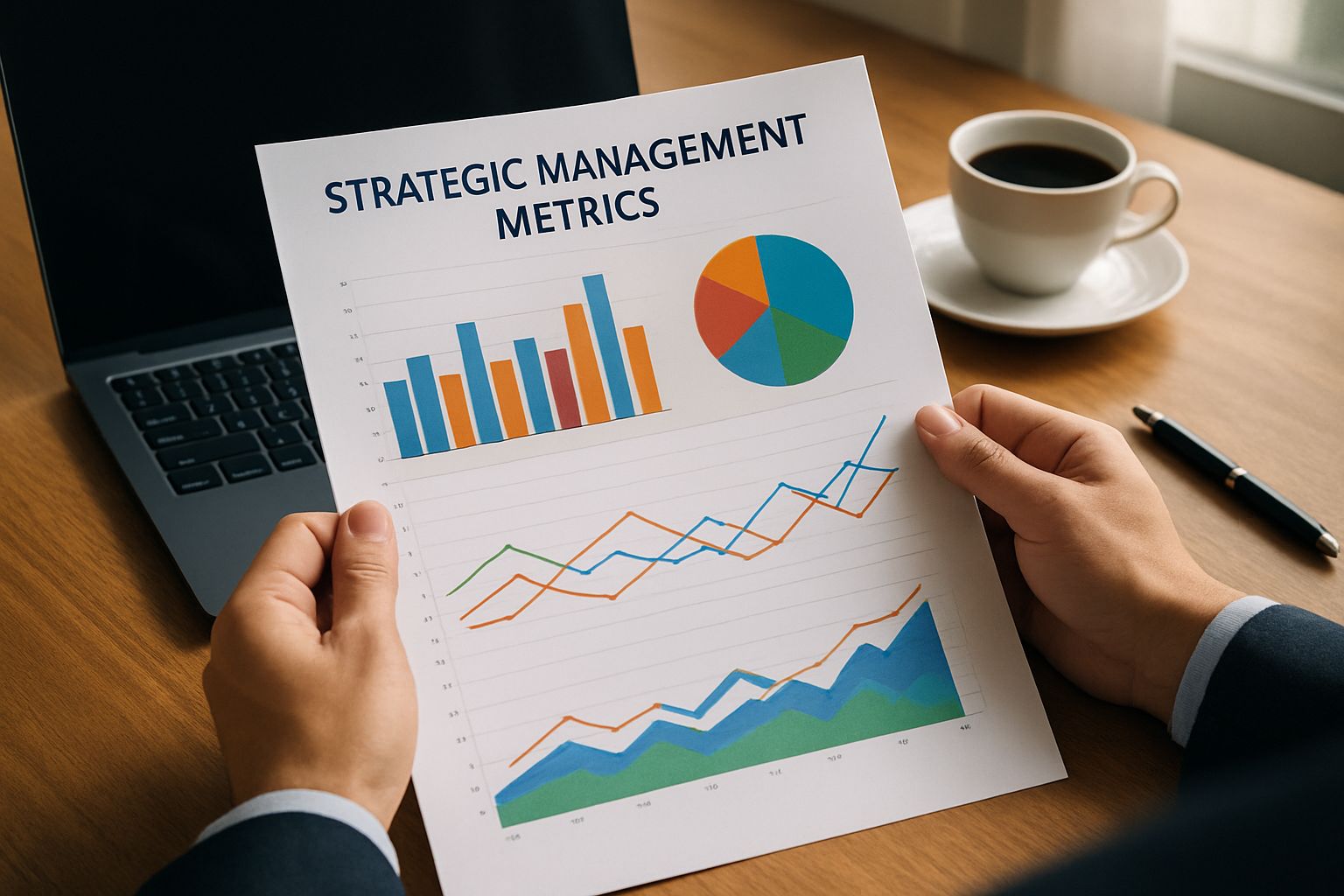
PwC surveyed 4,454 CEOs during late 2025. Only 12 percent reported AI delivering both cost and revenue improvements. Meanwhile, 56 percent acknowledged no meaningful benefit so far. Consequently, many boards tie future funding to Strategic Management Metrics that align with P&L targets.
Boards crave quantifiable proof before approving wider rollouts. These governance shifts escalate urgency for robust measurement frameworks. Enterprise measurement gaps now take center stage in leadership discussions.
Enterprise Measurement Gap Persists
Independent surveys consistently reveal a stubborn analytics deficit. Thomson Reuters found that 59 percent of professional-services firms do not measure GenAI ROI. Furthermore, only 20 percent even attempt to capture ROI metrics beyond rough cost savings.
McKinsey paints a similar picture across industries. Fewer than one in five respondents report defined KPI dashboards for production models. Consequently, Strategic Management Metrics remain aspirational rather than operational for most enterprises.
The measurement void feeds stakeholder skepticism and budget hesitancy. Firms admit a persistent lack guidance on baselines, control groups, and attribution. Yet, a small vanguard demonstrates that disciplined processes can change outcomes.
Proven Vanguard Success Practices
High performers share recognizable traits. Firstly, the CEO sponsors an enterprise AI strategy with clear value hypotheses. Secondly, cross-functional teams map initiatives to Strategic Management Metrics before pilots begin. Moreover, they embed finance partners who validate savings and revenue impact throughout.
McKinsey links KPI tracking and board oversight to higher reported EBIT lifts. Companies following ten of the firm’s adoption best practices are six times likelier to achieve material gains.
These vanguard habits create repeatable measurement muscle. Consequently, proof points accumulate quickly, reinforcing executive support. Organizations seeking similar traction can start with a focused checklist.
Pragmatic KPI Tracking Checklist
Experts recommend five foundational steps that any enterprise can adopt within one quarter. Following them establishes Strategic Management Metrics that survive audit scrutiny.
- Define business outcomes and time horizons before selecting technology.
- Establish baselines and control groups for credible attribution.
- Map all costs, including change management and cloud fees, to ROI metrics.
- Track layered KPIs: adoption, quality, customer sentiment, and financial impact.
- Assign governance to CFO plus compliance, ensuring data integrity and ongoing review.
Professionals can enhance their expertise with the Chief AI Officer™ certification, which covers measurement governance in depth.
These steps convert ambition into measurable value within months. Furthermore, consistent reporting sustains leadership confidence and cross-team momentum. Still, leaders must interpret vendor claims with healthy skepticism.
Vendor Claims Versus Reality
Cloud providers publish dazzling ROI case studies featuring early adopters. Google Cloud’s 2025 report asserts strong paybacks for agentic workloads in finance. Nevertheless, selection bias skews such samples toward success stories.
Independent research tells a more cautious tale. Forrester and PwC highlight that most organizations still struggle to scale proofs of concept. Therefore, executives should benchmark vendor numbers against internal Strategic Management Metrics before signing contracts.
Balanced analysis avoids overcommitting budgets on flashy demos. Consequently, enterprises stay focused on ROI metrics grounded in real operations. Compliance considerations intensify this need for rigor.
Governance And Compliance Demands
Regulators increasingly question explainability and data provenance of generative models. Meanwhile, board audit committees request documentation linking models to financial statements.
Strategic Management Metrics support these audits by showing clear cause-and-effect paths. Additionally, explicit KPI chains help legal teams defend marketing claims to customers. Firms that lack guidance risk regulatory findings and damaged reputations.
Robust governance frameworks limit exposure and streamline approvals. Therefore, compliance alignment becomes a competitive advantage in AI deployment. Forward-looking boards already prepare for next-generation opportunities.
Building Future Advantage Now
Leaders see AI as a long-term differentiator, not a one-off project. Consequently, they integrate measurement into every strategy cycle and budget review. Strategic Management Metrics appear in quarterly dashboards alongside traditional productivity ratios.
Moreover, mature firms calculate return on experimentation to protect exploratory investments. They also reward teams for transparent reporting, even when pilots underperform.
Such cultural shifts embed continuous learning across functions. Consequently, organizations compound small improvements into sustained competitive gains.
AI investment momentum will accelerate through 2026. Nevertheless, evidence shows returns accrue only when Strategic Management Metrics guide every decision. Firms that still lack guidance must prioritize baseline setting during the next budgeting cycle. Moreover, leadership should embed ROI metrics in performance reviews to reinforce accountability. Aligning data governance, finance, and strategy teams ensures consistent measurement across initiatives.
Therefore, executives should audit existing dashboards against this article’s checklist today. Those seeking deeper expertise can pursue the linked Chief AI Officer certification and lead mature measurement programs. Sustained success hinges on repeating the Strategic Management Metrics mantra: measure first, scale second.


