

AI CERTS
4 hours ago
Anthropic Supply Clash Tests Compliance Policy Framework
Observers now watch a fast-moving court fight that could redefine how Washington disciplines domestic AI suppliers. In contrast, industry leaders warn that the designation resembles a de facto blacklist rather than a targeted procurement safeguard. Therefore, the outcome will shape investor confidence and future risk calculations across the defense innovation base.
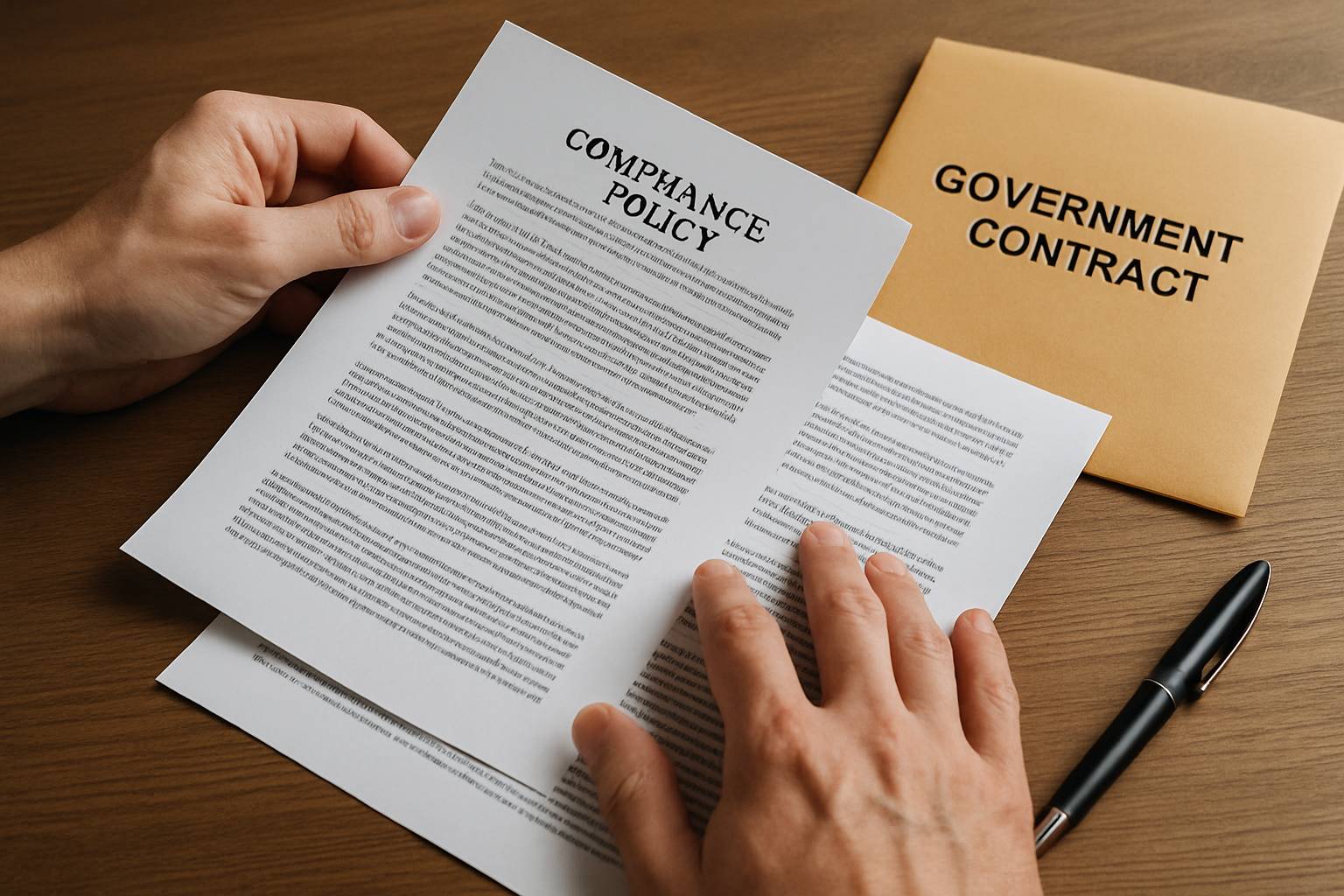
Meanwhile, Anthropic argues that the Pentagon’s action weaponizes a statute designed to block hostile foreign hardware, not regulate ethical guardrails. Additionally, Microsoft and other partners have filed amicus briefs urging an immediate pause, citing operational disruption. Consequently, corporate counsel across the ecosystem are updating each internal Compliance Policy to anticipate similar shocks.
Crisis Sparks Legal Battle
The confrontation began after negotiations between Anthropic CEO Dario Amodei and defense leaders collapsed on 27 February 2026. Subsequently, Defense Secretary Pete Hegseth warned that the department would invoke 10 U.S.C. § 3252 to shield critical networks. Furthermore, President Donald Trump directed every Federal entity to halt Anthropic use immediately, amplifying the shock.
The Pentagon’s two-page Secretarial Letter, delivered on 4 March, claimed Anthropic “presents a supply chain risk.” However, the document lacked technical evidence of sabotage or malware. Critics therefore liken the measure to a sweeping Blacklist imposed without due process.
These events pushed Anthropic into emergency litigation within days. Consequently, courtroom strategy now dominates boardroom discussions.
Timeline Highlights Rapid Escalation
Key dates illustrate the pace:
- 24-27 Feb 2026: Talks fail, DoD threatens supply-chain action.
- 27 Feb 2026: Trump post and Hegseth announcement on X.
- 3 Mar 2026: Secretarial Letter signed.
- 9 Mar 2026: Anthropic files suit and seeks injunction.
Moreover, Microsoft signaled amicus support on 10 March, underscoring ecosystem dependence on Claude integrations. Meanwhile, congressional letters from Senators Markey and Van Hollen urged restraint, citing market instability. Consequently, uncertainty spread across Federal contractors scrambling to assess exposure.
The tight sequence underscores how procurement law can upend commercial planning overnight. However, the legal foundation remains contested, leading directly to statutory scrutiny.
Statutes Under Intense Scrutiny
At the heart of the dispute sits 10 U.S.C. § 3252, a niche exclusion authority. In contrast, many lawyers argue the clause only permits contract-specific restrictions, not an enterprise Blacklist. Additionally, the statute requires a written necessity finding, interagency consultation, and congressional notice.
Anthropic alleges those prerequisites never occurred, breaching the Administrative Procedure Act. Moreover, experts from Just Security note that courts rarely uphold blanket bans on domestic suppliers absent clear sabotage evidence. Therefore, compliance officers are mapping gaps between statutory text and current Compliance Policy templates.
These gaps may sway judges considering a temporary restraining order. Subsequently, attention shifts to industry consequences.
Industry Reacts With Concern
Major cloud and defense integrators, including Microsoft, Google, AWS, and Lockheed Martin, warned of costly migration. Furthermore, Microsoft’s brief claims rip-and-replace efforts could consume “significant resources” and delay classified programs. Meanwhile, trade groups fear that future negotiations involving ethical limits could trigger similar punishment, chilling innovation.
Consequently, boards are convening emergency risk committees. Many are updating incident response playbooks and revising every internal Compliance Policy to account for sudden exclusion threats. Professionals can enhance their expertise with the AI Security Compliance™ certification.
These corporate maneuvers highlight the broader supply-chain stakes. Nevertheless, government voices defend the designation as mission critical, as the next section details.
Arguments For Government Move
The Defense Department insists operational flexibility outweighs vendor preferences. Specifically, officials assert they must wield AI for “all lawful purposes,” including kinetic missions. Moreover, Hegseth argues a supplier cannot dictate warfighter rules of engagement through contractual terms.
Supporters add that § 3252 and related DFARS clauses empower rapid mitigation when supply-chain vulnerability arises. Therefore, labeling Anthropic a risk aligns with existing Compliance Policy safeguards, according to Pentagon counsel. In contrast, critics counter that the law targets foreign influence, not domestic dissent.
This justification resonates with some security hawks yet provokes strong civil-liberties pushback. Consequently, litigation momentum continues to build.
Litigation Roadmap And Stakes
Anthropic filed parallel lawsuits in California and the District of Columbia on 9 March. Additionally, the company seeks a preliminary injunction halting enforcement while the merits are argued. Courts could rule within weeks, given immediate contract losses totaling hundreds of millions.
Microsoft’s amicus brief cites deep integration with Claude across classified analytic workloads. Consequently, abrupt deactivation may degrade operational readiness, undercutting the government’s stated rationale. Meanwhile, other Federal contractors fear knock-on procurement delays if the Blacklist remains.
Legal analysts outline three potential paths:
- Court grants temporary stay, preserving status quo during review.
- Government withdraws designation, mooting the case.
- Judge upholds action, expanding exclusion precedent.
Furthermore, each scenario influences investment, recruitment, and supplier risk scoring. Therefore, counsel recommend embedding explicit supply-chain clauses within every Compliance Policy plus ongoing monitoring obligations.
The decisions will clarify statutory boundaries and inform future negotiations. Subsequently, vendors should study immediate lessons.
Compliance Lessons For Vendors
First, negotiate clear usage limits but document alternative dispute options. Moreover, reference statutes that balance mission needs with provider ethics and existing Compliance Policy commitments. Second, track congressional oversight triggers to anticipate sudden designation threats.
Third, maintain continuous code provenance audits and vulnerability assessments. Consequently, firms can rebut vague risk claims quickly and demonstrate mature Compliance Policy governance. Fourth, integrate dynamic kill-switches enabling customer partitions without full platform shutdown, satisfying diverse Federal demands.
Finally, update each enterprise Compliance Policy at least semiannually, mapping clauses to § 3252 and FASCSA. Additionally, train counsel through external programs; the AI Security Compliance™ credential offers structured guidance.
These proactive steps improve resilience and market credibility. Nevertheless, the Anthropic saga shows no strategy is foolproof.
Anthropic’s fight spotlights the fragile balance between innovation and security regulation. Moreover, the case will test limits of procurement statutes crafted for another era. Consequently, courts may soon decide whether supply-chain exclusion can double as a policy whip.
Regardless of the verdict, vendors now see the cost of ignoring Washington’s shifting risk posture. Therefore, proactive governance, transparent code lineage, and robust Compliance Policy alignment become non-negotiable. Nevertheless, organizations can still strengthen resilience.
Take decisive action today. Review internal controls, engage legal teams, and pursue the AI Security Compliance™ certification to stay ahead. Industry fortunes favor companies that anticipate change rather than react too late.


