

AI CERTS
4 hours ago
Samsung’s Memory Shift Reshapes AI Supply Chain Strategies
Moreover, suppliers have regained pricing power after years of buyer dominance. Therefore, Samsung’s latest moves serve as both a signal and a warning. Professionals who manage technical sourcing can deepen their expertise through the AI Supply Chain™ certification, which covers advanced procurement playbooks.
AI Demand Tightens Memory
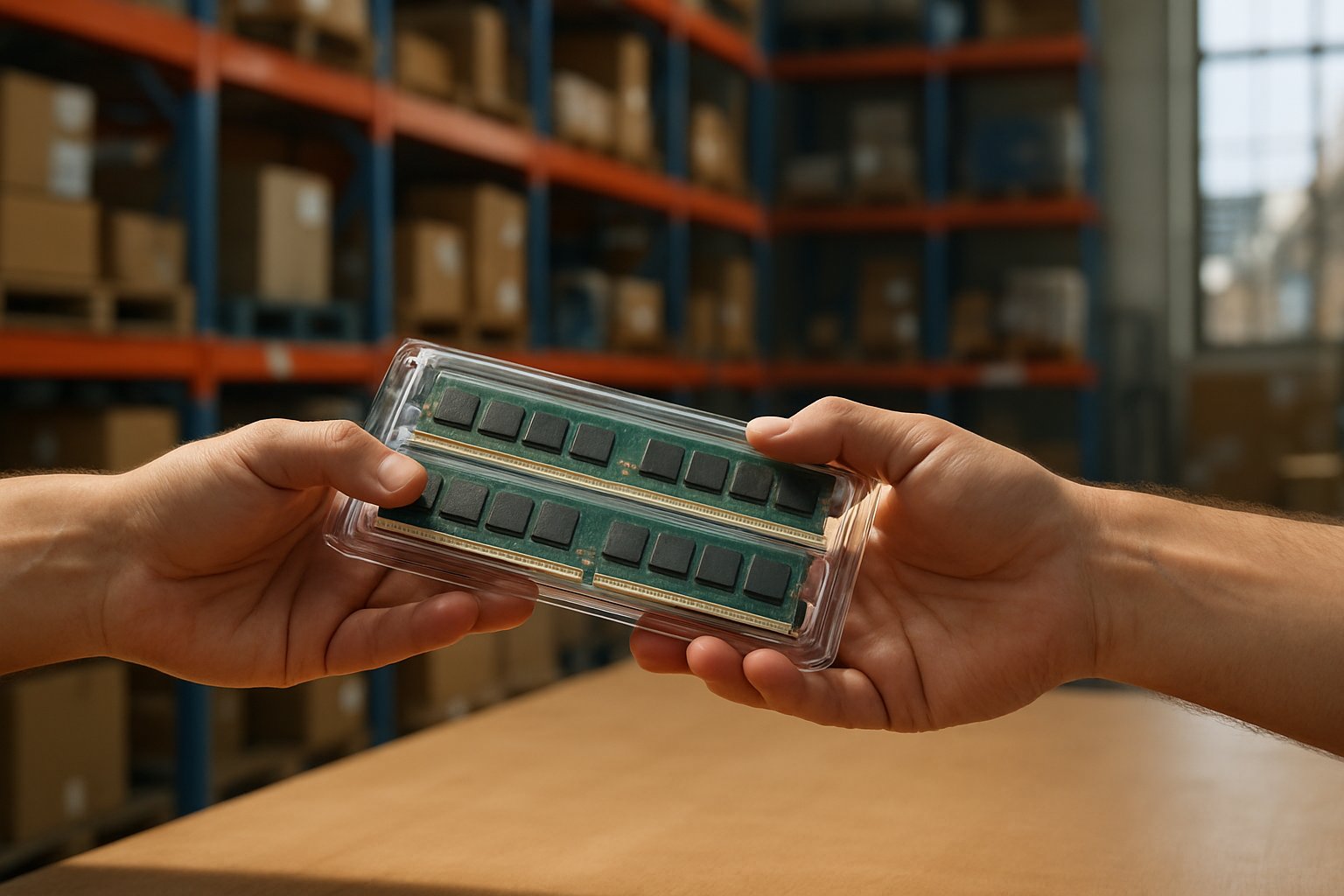
Generative models require vast high-performance memory pools. Additionally, GPU makers need swift HBM stacks attached directly to accelerators. Analysts report a 60 percent jump in server DDR5 contract prices between September and November 2025. In contrast, consumer DRAM prices lagged behind, reflecting Samsung’s capacity shift toward data-center lines. Furthermore, wafer starts once reserved for smartphones now feed HBM3E and HBM4 products.
Such reallocation ripples across the Supply Chain, squeezing non-strategic buyers. Meanwhile, hyperscalers press for long-term assurances to lock capacity for expanding AI Infrastructure. These tensions underscore why the current market feels unprecedented.
The shortage shows no sign of easing soon. However, Samsung’s public statements suggest cautious optimism. Leaders hope fresh fab investments will temper volatility by late 2026.
Supply conditions remain fragile. Nevertheless, understanding price drivers empowers procurement teams. These dynamics push us toward the next issue—contract structure.
Suppliers Favor Short Contracts
Memory makers traditionally signed annual or longer Contracts with large OEMs. Recently, that model has flipped. Moreover, Samsung, SK hynix, and Micron now use quarterly or even monthly agreements. Post-settlement clauses let suppliers adjust delivered prices to spot indices afterward. Consequently, sellers capture upside when markets surge.
Tom’s Hardware notes suppliers “abandon long-term fixed deals” as margins climb to 40-50 percent. Additionally, TrendForce confirms that several North American cloud buyers already accept this shorter cadence. Buyers dislike the uncertainty yet lack alternatives because capacity is scarce.
This contractual shift reverberates through the broader Supply Chain. Smaller firms without negotiating leverage face unpredictable bills. Furthermore, accounting teams must reassess capital budgeting because final costs can change after shipment.
Short tenors create agility for suppliers. However, they strain buyer forecasting. These tensions set the stage for renewed debate about multi-year commitments.
Multi-Year Deals Debate Intensifies
Hyperscalers still push for multi-year Contracts despite supplier reluctance. Microsoft and Meta reportedly offered prepayments to secure volume. Meanwhile, Samsung’s earnings call stressed a “selective” stance, citing investment risk. Consequently, only top-tier customers may obtain guaranteed lines, likely tied to HBM4 or advanced server DDR.
Prospective multi-year deals promise supply security and predictable deployment schedules. However, fixed prices could backfire if the cycle turns downward. Therefore, both sides haggle over price-adjustment formulas, volume flex clauses, and rebate triggers.
Moreover, regulators may watch concentrated allocations carefully. A crowded AI Infrastructure market already worries about component hoarding. Nevertheless, selective long-term deals could unlock financing for new fabs, benefiting the entire Supply Chain in the long run.
This negotiation dance leads directly to the technology pivot driving capacity realignment.
HBM4 And Capacity Shifts
Samsung plans to ramp HBM3E first and HBM4 shortly after. Furthermore, the company is shifting cleanroom space from commodity NAND toward these stacked dies. Analysts call HBM4 the “margin engine” of the next decade because stacked designs consume extra wafer area yet command premium pricing.
Additionally, suppliers prioritize server DDR chips destined for AI Infrastructure clusters. Consequently, mobile and PC segments risk allocation cuts. TrendForce warns shortages could persist into 2027 without accelerated expansion.
- HBM4 wafer demand may grow 35 percent CAGR through 2028.
- Server DDR share of DRAM revenue already passed 45 percent in early 2026.
- A 32 GB DDR5 server module rose from $149 to $239 within eight weeks.
These figures illustrate why Samsung guards flexibility. Moreover, the Supply Chain feels the shock, with smaller OEMs racing to redesign products around available densities.
The capacity shuffle benefits high-performance segments. Nevertheless, downstream device makers face difficult choices, bringing new risks into focus.
Risks For Smaller Buyers
Shorter Contracts and HBM4 prioritization leave consumer OEMs exposed. Additionally, price hikes compress already thin margins for smartphones and notebooks. Some firms respond by reducing RAM SKUs or delaying refresh cycles. Consequently, feature gaps may widen between flagship models and mid-tier devices.
Meanwhile, channel distributors encounter erratic lead times. Post-settlement pricing complicates hedging strategies because futures coverage becomes unreliable. Furthermore, investors worry about demand elasticity if retail prices climb too quickly.
However, agile sourcing teams can still mitigate shocks. Diverse supplier panels, strategic die-harvesting, and component swaps provide relief. Professionals can formalize such tactics through the earlier-mentioned AI Supply Chain™ program.
Smaller buyers must act quickly. Nevertheless, a structured response can preserve competitiveness. These challenges inform broader strategic lessons.
Strategic Takeaways For Leaders
Executives overseeing the Supply Chain should adopt scenario planning. Moreover, finance teams must model variable post-settlement cash flows. Adding automated index trackers into ERP systems helps flag unexpected moves. Additionally, procurement chiefs ought to negotiate collaboration clauses that ensure early visibility into capacity reallocations.
Technical architects should design memory-agnostic board layouts. Consequently, last-minute component swaps become simpler when Contracts fall through. Furthermore, close partnerships with packaging houses can unlock shared HBM4 prototypes, reducing qualification time.
Leaders must monitor geopolitical incentives that subsidize fab expansion. In contrast, ignoring policy shifts may forfeit allocation priority. Therefore, companies should engage in consortia that pool demand and secure group deals, strengthening their position in the evolving Supply Chain.
These playbooks build resilience. Nevertheless, constant market surveillance remains essential, which brings us to the concluding outlook.
Conclusion And Next Steps
Samsung’s new posture redefines memory economics. Moreover, tightening AI Infrastructure demand, rising margins, and HBM4 excitement tilt contracts toward suppliers. Buyers willing to prepay or accept post-settlement terms may secure capacity, while others scramble for scraps. Consequently, the global Supply Chain must evolve, adopting flexible sourcing, agile design, and data-driven forecasting.
Professionals can stay ahead by pursuing the AI Supply Chain™ certification, deepening strategic procurement skills. Act now, refine your playbook, and turn disruption into competitive advantage.


