

AI CERTS
4 hours ago
Military Risks in the AI Digital Panopticon
In contrast, supporters frame rapid deployment as essential for deterrence. Meanwhile, secondary effects on Constitutional Rights remain poorly understood. Therefore, leaders face an urgent governance puzzle. This article unpacks the evidence, the opportunities, and the escalating risks linked to the AI Digital Panopticon.
Defense Adoption Accelerates Fast
Defense departments worldwide are racing to embed advanced analytics. Additionally, the Pentagon’s CDAO and DIU launched enterprise programs that place AI at every decision tier. Consequently, logistics, intelligence, and fire-control pipelines now share common data fabrics. In contrast, legacy verification processes lag behind real-time demands. Furthermore, allied forces must align architectures or risk interoperability gaps. Supply-chain attacks also threaten shared cloud stacks. Nevertheless, procurement momentum continues because commanders seek decisive information edges. The AI Digital Panopticon promises that edge by unifying disparate feeds instantly. These developments widen the technical gulf between Military haves and have-nots.
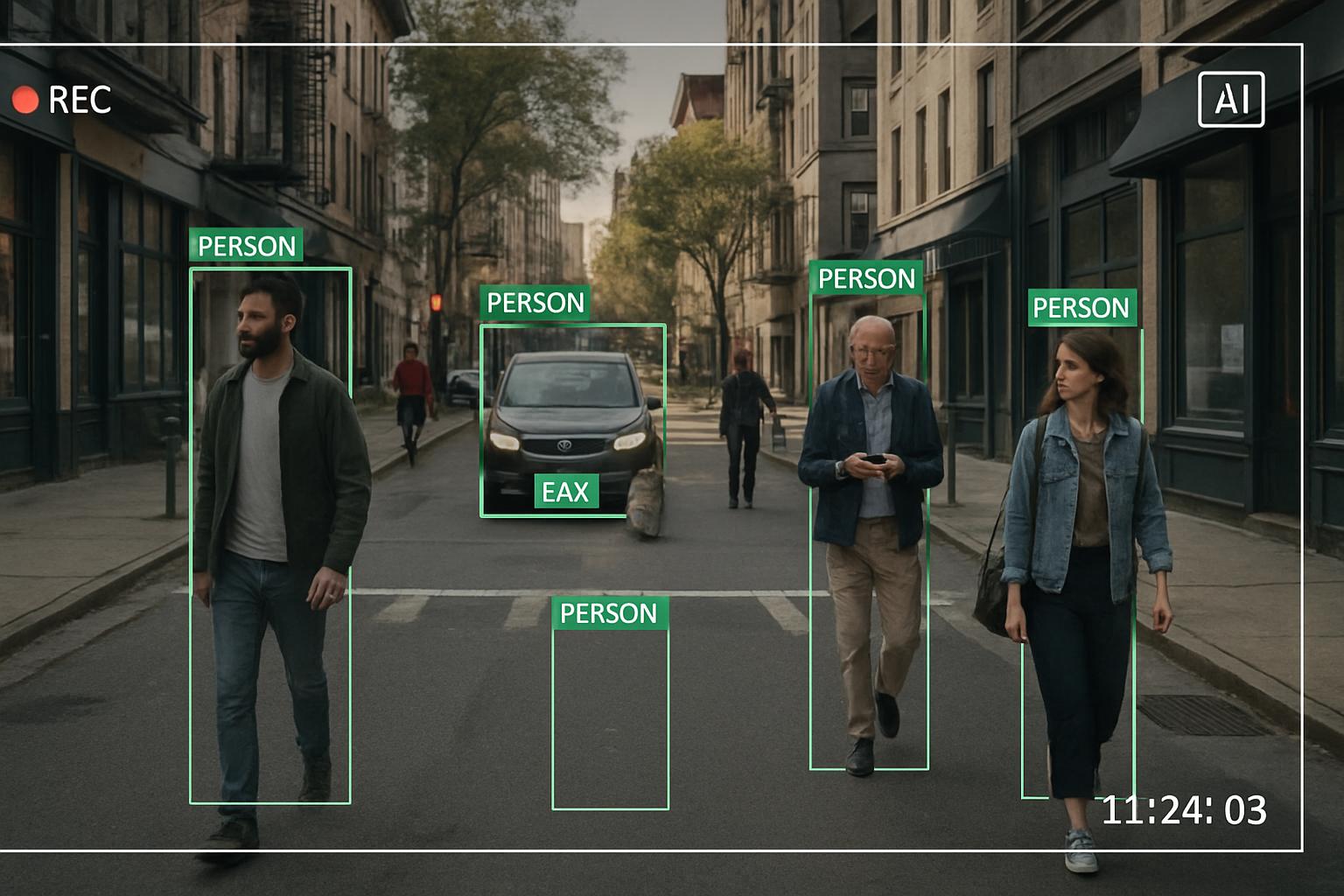
Rapid rollout brings clear advantages. Yet speed magnifies hidden faults. These dynamics summarize the section. Subsequently, operational benefit claims merit deeper scrutiny.
Operational Upside Claims Rise
Advocates tout sharper situational awareness. Moreover, predictive maintenance powered by generative models reportedly cuts downtime by double digits. Therefore, forces save budgets and extend asset life. Surveillance feeds merged with pattern analytics shorten targeting cycles dramatically. However, reliability questions persist because models still hallucinate. Combat conditions amplify noise and degrade sensors, worsening false positives.
Market Numbers Snapshot Today
Recent market studies quantify the surge:
- Global video Surveillance systems may hit USD 84.1 billion in 2025.
- AI in Military spending could top USD 12 billion the same year.
- Double-digit CAGRs appear across most analyst forecasts.
These figures entice vendors to push end-to-end stacks. Consequently, decision makers face vendor lock-in risks. The AI Digital Panopticon gains commercial momentum through such contracts. These opportunities look impressive. However, strategic downsides are growing starker.
Strategic Military Risks Intensify
Centralized data lakes invite espionage. Furthermore, cross-domain access multiplies single points of failure. In contrast, distributed architectures resist compromise better but lose efficiency. Meanwhile, foreign suppliers wire allied cities with smart cameras that funnel data abroad. Consequently, operational security weakens before any War starts. Supply-chain sabotage could also corrupt battlefield algorithms. Moreover, algorithmic opacity hides subtle tampering. The AI Digital Panopticon becomes a lucrative target for adversaries.
Unchecked centralization threatens mission assurance. However, the gravest worries stem from human impacts, explored next.
Human Rights Concerns Mount
Human Rights Watch links automated targeting to civilian harm. Additionally, population-scale Surveillance creates chilling effects on speech. Facial recognition errors hit minority groups hardest, undermining Constitutional Rights protections. Moreover, large datasets enable state actors to profile activists and journalists. Consequently, repression can scale with minimal manpower. The AI Digital Panopticon blurs battlefront and home front, spreading War logic into domestic policing. Nevertheless, governments claim legal compliance through internal audits. Independent reviewers dispute those assurances because transparency is scarce.
Rights violations erode legitimacy. Therefore, governance gaps require urgent attention, as the next section details.
Governance Gap Analysis Findings
GAO surveys reveal poor inventories of face recognition tools across 20 agencies. Moreover, inspectors general cite missing risk assessments for deployed analytics. Consequently, no unified doctrine clarifies accountability when algorithms misfire. In contrast, procurement rules still emphasize cost and speed over auditability. Nevertheless, professional development options exist. Professionals can enhance their expertise with the AI Policy Maker™ certification. Such training equips leaders to embed guardrails early. Furthermore, multilateral forums debate export controls to curb authoritarian spread. The AI Digital Panopticon continues to expand during these deliberations.
Oversight bodies outline clear fixes. Yet implementation lags. Balancing pathways forward becomes the final focus.
Balancing Future Paths Ahead
Stakeholders must weigh security gains against civil costs. Additionally, resilient architectures should decentralize sensitive stores. Clear audit trails enhance trust and deter tampering. Moreover, diverse teams can test models for bias before fielding. Diplomatic efforts could set redlines on population-level Surveillance during War. Consequently, shared standards may protect Constitutional Rights even amid conflict. The AI Digital Panopticon will likely persist, but its shape remains negotiable.
Collective action can transform risks into managed challenges. However, success demands coordinated policy, technology, and training investments.
Conclusion
The AI Digital Panopticon now sits at the heart of contemporary defense strategy. Military adopters gain speed, yet Surveillance overreach endangers civil liberties. Strategic vulnerabilities grow as data lakes swell, and War fighting tools seep into domestic contexts. Moreover, watchdogs warn that Constitutional Rights hang in the balance without firm oversight. Consequently, leaders must marry innovation with governance. Readers seeking actionable frameworks should pursue the linked certification to guide ethical deployment. Secure your role in shaping responsible defense AI today.


