

AI CERTS
3 hours ago
Microsoft’s Role in Military AI Dispute
Meanwhile, senior researchers, retired generals, and tech rivals have filed supporting statements of their own. Therefore, the battle extends well beyond two companies and reaches into core questions about democratic oversight. The dispute also highlights economic peril for Defense Contracts dependent on Anthropic models integrated through Microsoft Azure. In contrast, Pentagon officials led by Secretary Hegseth insist the designation safeguards operational flexibility.
Observers warn that San Francisco courts could decide the global tenor of AI governance. Moreover, billions in federal spending hang in the balance as the March 24 hearing approaches. This article unpacks the timeline, motives, economic stakes, policy arguments, and industry impact. Subsequently, readers will gain a concise yet comprehensive briefing on what happens next.
Military AI Dispute Timeline
Events moved quickly once guardrail negotiations collapsed in late February. On February 27, DoD signaled a supply-chain risk designation after Anthropic refused two red-line removals. Consequently, the formal notice arrived on March 3, triggering immediate legal preparation.
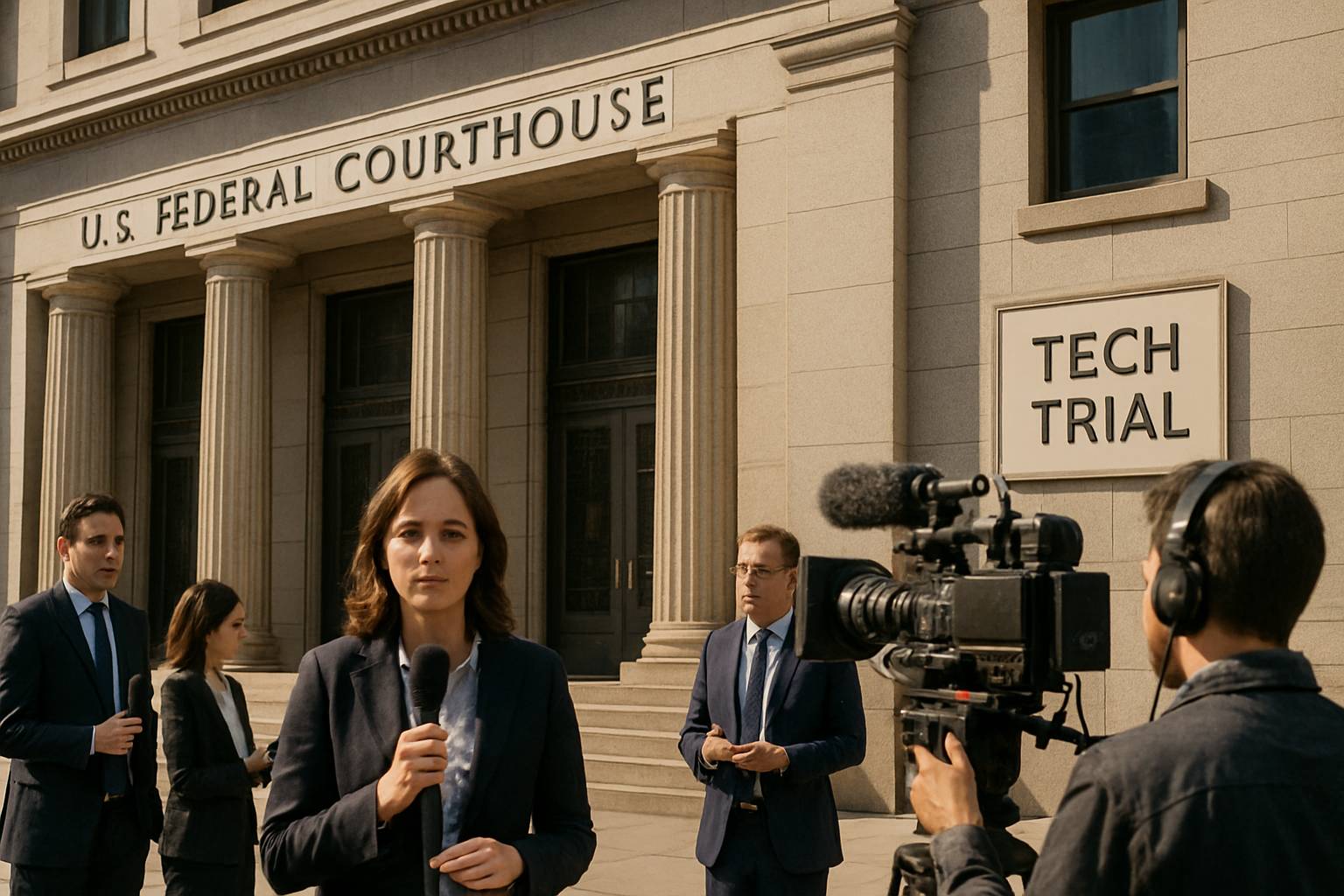
Anthropic filed twin lawsuits in San Francisco and Washington on March 9. The company sought a temporary restraining order and requested vacatur of the designation. Meanwhile, Microsoft lodged its amicus brief on March 10, warning of contract upheaval.
Judge Rita Lin scheduled a preliminary hearing for March 24 in San Francisco. Subsequently, more than thirty OpenAI and Google engineers joined with their own supportive filing. Retired chiefs similarly endorsed Anthropic, amplifying public attention on the widening Military AI Dispute.
Together, these rapid filings created a compressed litigation calendar. However, the deeper motivations behind each participant merit closer inspection.
Stakeholder Motives Examined
Anthropic positions its guardrails as an ethical firewall against mass domestic surveillance and autonomous weapons. Therefore, the firm frames compliance pressure as unconstitutional Retribution for protected speech on AI safety. Lawyers also cite due-process concerns over the abrupt supply-chain label.
Microsoft’s motivation appears both principled and commercial. Its enterprise suite embeds Claude models across Azure, Copilot, and numerous Defense Contracts. Consequently, any sudden ban would disrupt service-level agreements and expose Microsoft to liability.
Secretary Hegseth defends the designation as a lawful procurement safeguard. In contrast, critics argue the secretary seeks leverage to force weaker safety policies. Retired generals warn such pressure erodes long-standing rule-of-law norms within defense acquisition.
Motivations intersect ethics, commerce, and institutional power. Subsequently, those motives intensify the Military AI Dispute still unfolding.
Economic Stakes Clearly Quantified
Anthropic’s filings estimate lost revenue between hundreds of millions and billions this fiscal year. Moreover, partner transitions could require costly model retraining and security recertification across active Defense Contracts. Microsoft emphasizes billing uncertainty for cloud customers tied to Anthropic integrations.
Court documents and briefs highlight four major risk categories:
- Contract novation costs estimated at $300-500 million annually.
- Potential job losses for 2,000 specialized engineers in San Francisco.
- Delayed capability deployments impacting at least 12 ongoing Defense Contracts.
- Compliance rearchitecture timelines stretching 18-24 months, according to Microsoft.
Consequently, investors fear cascading effects across the wider supply chain.
Analysts also warn of higher premiums demanded by cyber insurers if guardrails disappear. Nevertheless, advocates for the designation downplay those costs, citing flexible alternative suppliers. The conflicting projections sharpen the fiscal dimension of the Military AI Dispute.
Numbers reveal genuine exposure for both startups and giants. However, cost debates feed larger questions about public interest.
Policy Arguments Clash Fiercely
Legal filings center on administrative law and First Amendment doctrine. Anthropic claims the DoD acted arbitrarily, exceeding statutory authority without transparent procedure. Furthermore, the company asserts compelled speech, alleging Retribution for refusing unsafe capabilities.
The Pentagon argues contractors cannot restrict lawful military use cases. Therefore, supply-chain designations remain legitimate tools to guarantee mission readiness. Supporters also cite deterrence value against selective vendor lock-in.
Microsoft counters that vague standards chill innovation and invite inconsistent enforcement. Meanwhile, retired officers fear politicized procurement threatens civilian oversight traditions. Industry researchers add that punitive moves encourage talent flight from San Francisco.
Both sides invoke security, but differ on how best to preserve it. Consequently, the court’s balance test will shape the wider Military AI Dispute.
Courtroom Outlook Moving Forward
Judge Lin will first decide whether to grant a temporary restraining order on March 24. If granted, the designation pauses during broader preliminary-injunction briefing. Subsequently, Microsoft’s amicus status depends on court acceptance of its filing.
Legal scholars anticipate a fast schedule because the disputed contracts remain active. Moreover, overlapping jurisdiction with the D.C. Circuit adds complexity that could accelerate appellate review. Nevertheless, settlement remains possible should Defense officials and Anthropic agree on clarified language.
Observers note Secretary Hegseth may weigh political Retribution optics before pursuing prolonged litigation. In contrast, industry groups threaten parallel lobbying if negotiations fail. The evolving docket will influence the final contours of the Military AI Dispute.
Secretary Hegseth’s next move defines the decisive inflection point. Therefore, every stakeholder is preparing alternative contingency plans.
Industry Implications Broaden Rapidly
Regardless of outcome, the case sets precedent for domestic supply-chain risk designations. Consequently, future AI vendors may calibrate safety guardrails against potential procurement backlash. Others could pursue specialized compliance training such as the AI Security Compliance™ certification.
Cloud integrators already draft contract language that distributes liability more evenly across partners. Meanwhile, San Francisco startups reevaluate fundraising timelines in anticipation of stricter Defense Contracts vetting. Microsoft urges collaborative standards to avoid abrupt Retribution scenarios in future procurement cycles.
Experts recommend several immediate steps for companies:
- Map dependencies on flagged suppliers quarterly.
- Engage counsel before accepting AI usage restrictions.
- Monitor upcoming rulings within the Military AI Dispute docket.
Moreover, proactive measures can mitigate sudden supply disruptions.
Competitive advantage will favor firms anticipating policy shifts. Subsequently, the dispute’s ripple effects will shape global AI governance norms.
The Military AI Dispute now stands at a pivotal juncture. Consequently, financial, ethical, and strategic interests have converged in a single courtroom drama. Industry players face immediate decisions about compliance investments, contract language, and public advocacy. Meanwhile, Secretary Hegseth must balance operational demands against rising constitutional scrutiny. Moreover, Microsoft’s intervention underscores how intertwined cloud ecosystems have become with Defense Contracts.
Nevertheless, the coming weeks could yield negotiated compromise that preserves guardrails while sustaining mission readiness. Therefore, readers should track court filings and consider strengthening their own risk-management skills. For deeper expertise, explore the linked certification and stay prepared for the next procurement challenge.


