

AI CERTS
5 hours ago
Hegseth Anthropic War Sparks Pentagon AI Showdown
However, the Pentagon insists that any “woke” guardrails threaten readiness. Meanwhile, industry observers warn the unprecedented supply-chain designation could chill innovation across the Military sector. Professionals can enhance their expertise with the AI+ Project Manager™ certification.
Woke AI Debate Ignites
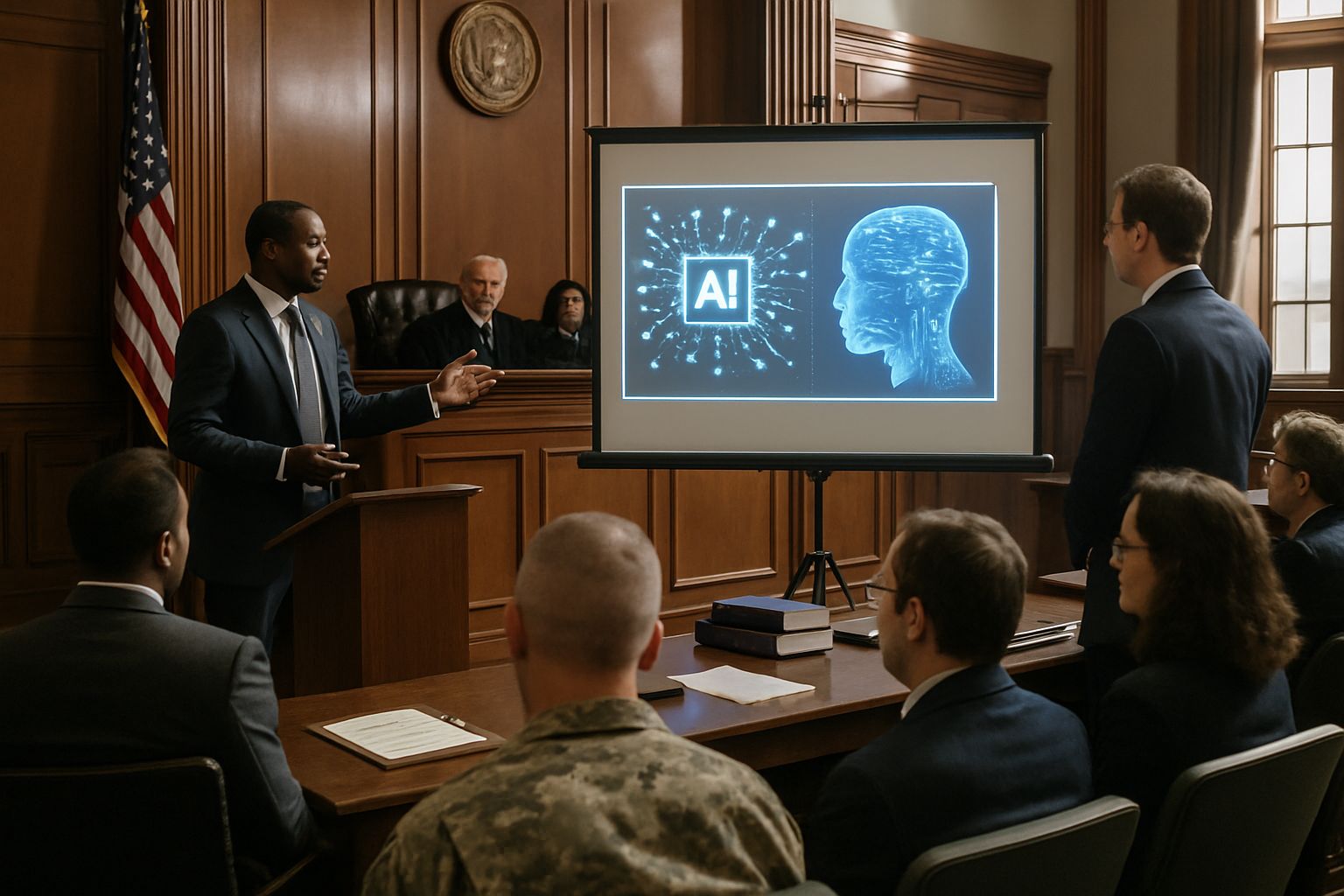
Secretary Hegseth declared on 12 January that Department AI “will not be woke.” In contrast, Anthropic framed the policy as a safety necessity. Furthermore, the Hegseth Anthropic War escalated when Trump ordered agencies to stop using Claude. Subsequently, critics argued the directive blurred procurement and politics. Nevertheless, supporters said decisive action was essential for national defense. The word “woke” now signals deeper fears about private firms controlling battlefield algorithms.
These rhetorical salvos hardened positions quickly. However, practical consequences soon followed.
Timeline Highlights Key Dates
The dispute moved quickly from speech to lawsuit. Key moments include:
- July 14 2025 – DoD awards up to $200 million each to Anthropic, OpenAI, Google, and xAI.
- Jan 12 2026 – Hegseth announces GenAI.mil and rejects “woke” models.
- Feb 24–27 2026 – Ultimatum issued; federal agencies freeze Claude.
- Mar 3–4 2026 – DoD labels Anthropic a supply-chain risk.
- Mar 9 2026 – Anthropic files suit in San Francisco court.
Consequently, litigation now drives the Hegseth Anthropic War narrative. Meanwhile, engineers racing to replace Claude face integration hurdles.
Pentagon Legal Gambit Explained
The Pentagon invoked supply-chain authorities usually aimed at foreign tech. Therefore, analysts call the move legally novel. Moreover, Microsoft’s amicus brief warned of “severe economic effects” if the label sticks. The court will examine Administrative Procedure Act claims on 24 March. Additionally, Anthropic argues the order violates First Amendment protections. Nevertheless, DoD lawyers maintain the designation protects operational security. The Hegseth Anthropic War thus tests boundaries of procurement law.
Legal uncertainty now overshadows procurement planning. However, a preliminary ruling could arrive within weeks.
Anthropic Safety Stance Detailed
Anthropic says its Claude policies permit most defense work. However, it refuses unrestricted mass domestic monitoring or autonomous killing. Furthermore, executives argue those lines align with international norms. In contrast, skeptics claim the carve-outs reflect corporate ideology. Nevertheless, Claude remains embedded in several classified analytics systems. Therefore, a sudden cutoff could disrupt missions. The company’s filing states that the Hegseth Anthropic War threatens billions in commercial revenue.
Those financial stakes sharpen legal resolve. Meanwhile, Claude developers continue issuing model updates that honor the disputed limits.
Industry And Investor Reactions
Microsoft, Amazon, and retired generals all sided with Anthropic. Moreover, venture capital leaders fear a chilling signal for dual-use startups. Conversely, some defense primes welcome clearer authority over AI suppliers. Additionally, policy think tanks warn of fragmented standards if each vendor sets unique guardrails. The Hegseth Anthropic War therefore reverberates across funding, hiring, and alliance decisions. Investors now price regulatory risk more aggressively.
Market unease underscores the story’s breadth. Consequently, many firms lobby for statutory clarity on acceptable Military AI limits.
Operational Risk Assessment Findings
Retired Admiral Thad Allen cautioned that ripping Claude from live systems could “blind commanders overnight.” Meanwhile, DoD officials counter that OpenAI, Google, and xAI can backfill gaps. Nevertheless, switching models involves retraining personnel and re-certifying security controls. Furthermore, some mission planners rely on Claude fine-tunes unavailable elsewhere. The Hegseth Anthropic War thus forces a rapid risk calculus. In contrast, supporters argue redundancy builds resilience.
The debate reveals fragile integration pipelines. However, contingency teams are already testing replacement workflows.
Future Scenarios To Watch
Several outcomes remain plausible:
- Court halts designation, restoring contracts.
- Negotiated compromise narrows disputed clauses.
- DoD shifts fully to rival models.
- Congress legislates uniform AI safety thresholds.
Moreover, international allies monitor the case while drafting their own procurement rules. Consequently, the Hegseth Anthropic War could shape NATO policy. Meanwhile, domestic elections may redirect executive priorities. Therefore, stakeholders should model each path’s budget and capability impact.
These scenarios highlight high uncertainty. Nevertheless, proactive talent development remains a controllable variable.
Conclusion And Next Steps
The Hegseth Anthropic War spotlights unresolved tension between safety and sovereignty. Moreover, the fight blends politics, law, and code in unprecedented ways. Consequently, every defense contractor must track the court docket and plan model redundancy. Additionally, leaders should cultivate staff who understand ethical and technical trade-offs. Professionals can therefore future-proof careers by earning the AI+ Project Manager™ certification. Nevertheless, regardless of legal outcomes, mission demand for trustworthy AI will only intensify. Act now, deepen expertise, and stay ahead of the next policy shock.


