

AI CERTS
3 hours ago
US Actions Intensify Unfair Trade Scrutiny on Indian Imports
Moreover, the probes coincide with delicate India trade talks led by USTR officials. Consequently, companies on both continents confront strategic uncertainty. Federal dockets already contain sharp allegations of below-cost pricing and hidden subsidies. Meanwhile, Indian exporters counter that the charges are exaggerated and fundamentally unfair.
Analysts warn the outcome may reshape global supply chains, clean-energy rollouts, and national security practice. Therefore, professionals tracking policy, finance, or compliance need a clear timeline and implications. This report synthesizes data, agency notices, and industry reactions to map the road ahead.
Probes Gain New Momentum
Regulatory action accelerated during 2025 and early 2026. April saw the Commerce Department trigger three Section 232 national-security reviews covering chips, drugs, and minerals. However, the August 2025 launch of solar antidumping and countervailing cases drew wider attention. Petitioners alleged Indian modules flooded the market through Unfair Trade subsidies and dumping margins. Moreover, USTR signaled support, framing the step as a normal enforcement practice amid broader negotiations. Industry stakeholders therefore braced for prolonged litigation.
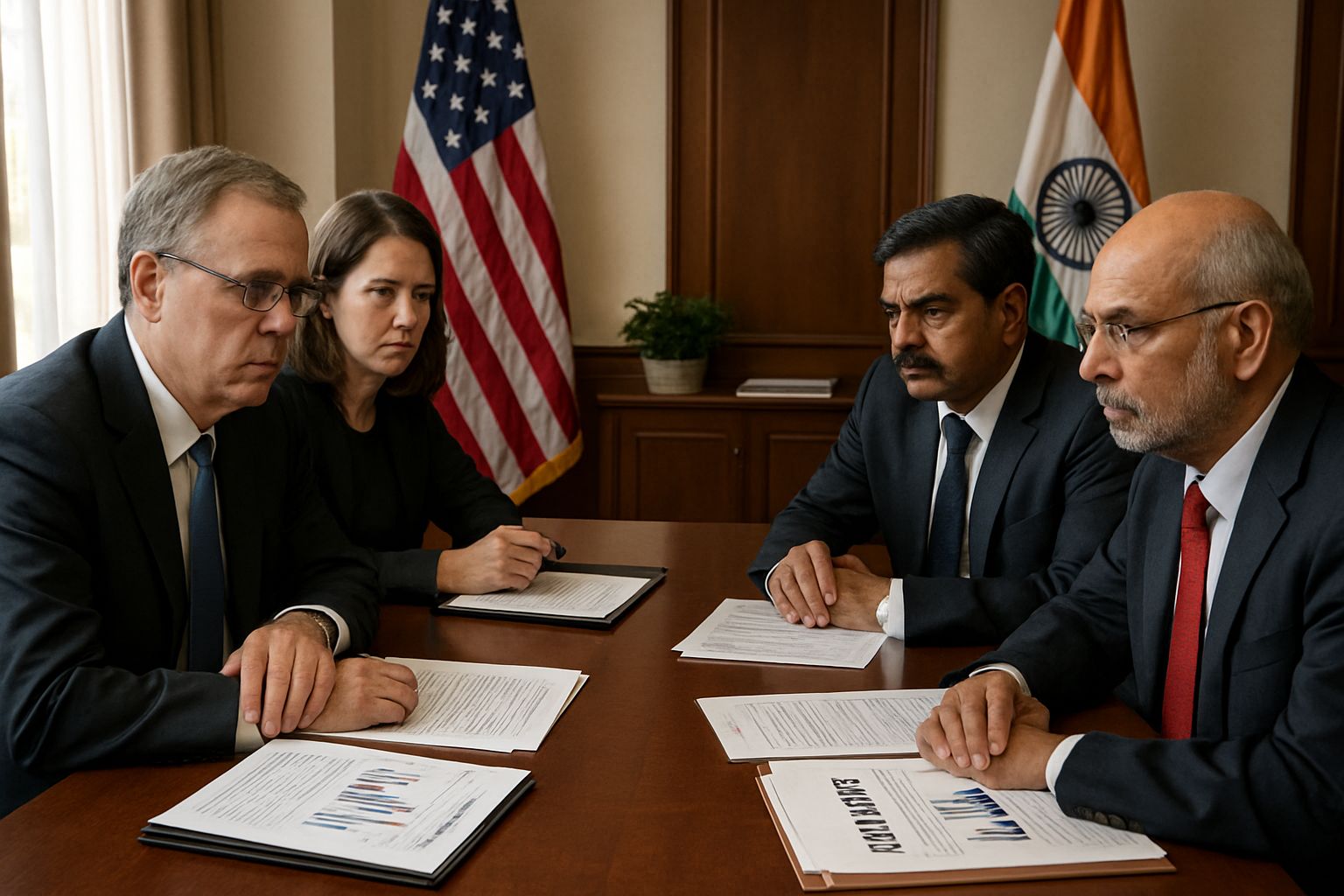
These initial moves created procedural momentum and investor anxiety. Consequently, subsequent findings would sharpen risk calculations for India trade partners.
Solar Duties Escalate Rapidly
Commerce released preliminary countervailing duty rates on 24 February 2026. The headline Indian rate hit 125.87%, exceeding most analyst expectations. Meanwhile, Indonesia and Laos faced slightly lower margins. However, Indian suppliers ship the bulk of contested volumes. Petitioners hailed the decision as another Unfair Trade correction. Conversely, exporters argued the calculations misused adverse inference practice.
- India CSPV exports: $83.9M in 2022, $760.8M in 2023, $792.6M in 2024.
- Combined India, Indonesia, Laos solar imports: $4.5B in 2025.
- Preliminary subsidy rates: India 125.87%, Indonesia 104.38%, Laos 80.67%.
- Final determinations expected July 2026 unless schedules shift.
These figures quantify mounting cost pressures for downstream installers. Therefore, India trade strategists now reassess pricing and inventory planning. Overall, Unfair Trade duties reshape procurement math.
Attention now turns to Section 232 probes touching wider supply chains.
Section 232 Scope Expands
BIS invoked Section 232 to scrutinize semiconductors, pharmaceuticals, and processed minerals starting April 2025. Officials framed the move as a national security safeguard rather than a pure Unfair Trade response. Nevertheless, importers fear tariffs could mirror solar remedies. Furthermore, the comment docket requested data on subsidies, market concentration, and potential export restrictions. Consequently, corporate lobbyists rushed economic models into the record before the May 2025 deadline.
USTR has monitored the inquiry to preserve negotiating leverage with New Delhi. In contrast, Indian ministries warned that excessive measures could chill planned semiconductor investments.
These Section 232 reviews broaden policy uncertainty beyond clean energy. Subsequently, supply chain managers must map alternative sourcing scenarios. Parallel customs enforcement now intensifies that complexity.
CBP Enforces Duty Evasion
Customs officers opened a high-profile case against Waaree Energies during September 2025. Investigators alleged the firm mis-declared origin codes to dodge existing solar duties. Moreover, CBP demanded provisional cash deposits while facts were collected. Such actions complement Unfair Trade remedies by targeting direct evasion tactics. Nevertheless, company executives insist paperwork errors, not intentional practice, caused discrepancies. Consequently, downstream installers face shipment delays and compliance audits.
CBP pressure reinforces the signal that enforcement will span pricing, subsidies, and declarations. Therefore, India trade participants expand legal budgets accordingly. Corporate risk calculations also depend on diplomatic progress.
Implications For India Manufacturers
Indian solar leaders, including Mundra Solar and Waaree, confront steep deposit requirements after the preliminary order. Furthermore, investors now price litigation exposure into capital-raising rounds. Analysts estimate cash deposit calls could equal several quarters of free cash flow. Meanwhile, semiconductor and pharmaceutical exporters track Section 232 questionnaires with equal vigilance. Companies emphasise voluntary compliance to avoid new Unfair Trade allegations. Stakeholders decry the process as deeply unfair when evidence gaps exist.
Strategists outline three immediate response options.
- Shift partial assembly to third-country facilities.
- File exhaustive rebuttal evidence within Commerce deadlines.
- Accelerate moves into emerging markets outside the United States.
Such tactics mitigate risk yet inflate operational complexity. Consequently, practice leaders must balance cost, speed, and regulatory goodwill. Those calculations intersect with wider diplomatic dynamics now unfolding.
Diplomacy And Future Outcomes
Trade negotiators resumed formal meetings in late 2025 despite escalating enforcement headlines. USTR sources describe talks as constructive but conditioned on demonstrable movement against unfair subsidies. In contrast, Indian officials link market access promises to rollbacks of Unfair Trade duties. Moreover, upcoming U.S. elections could recalibrate priorities. Subsequently, analysts expect staggered announcements instead of one sweeping accord.
Compliance teams therefore pursue continuous education to navigate evolving statutes. Professionals can enhance their expertise with the AI+ Legal Strategist™ certification. Such credentials improve risk assessment and advocacy effectiveness.
Negotiation outcomes will guide duty permanence and supply chain bets. Therefore, India trade observers watch July 2026 timelines closely. A concise recap clarifies actionable insights next.
Key Numbers To Watch
Consequently, executives monitor a narrow set of metrics:
- Cash deposit rates imposed per exporter.
- Section 232 recommendation release dates.
- Any CBP penalty announcements.
These figures shape Unfair Trade narratives across boardrooms.
Overall, the multi-track investigations present layered compliance hurdles. Solar duties, Section 232 reviews, and CBP audits now intersect across strategic sectors. Consequently, boards cannot treat Unfair Trade exposure as a niche concern. Moreover, India trade diplomacy will influence final margins and market access. Companies that prepare early, document subsidies, and strengthen origin tracing gain resilience.
Professionals should also refresh legal skills and scenario plans. Subsequently, Unfair Trade narratives may shift, yet vigilant governance remains vital. Therefore, leverage present insights and pursue certified expertise to safeguard competitive positions. Stakeholders can start by reviewing federal dockets and final ruling calendars now.


