

AI CERTS
3 months ago
Gas Prices Ignite AI Energy Economics Boom
Gas Spike Reshapes Demand
Oil futures climbed after renewed Middle East tensions linked to the Iran war. Consequently, retail prices reacted within days, reviving memories of 2022 shocks. In contrast, electricity tariffs remained stable, widening the daily cost gap. BloombergNEF estimates that high-mileage drivers can now cut operating expenses by 40% using EVs. AI Energy Economics therefore gains fresh relevance as households search online for affordable models.
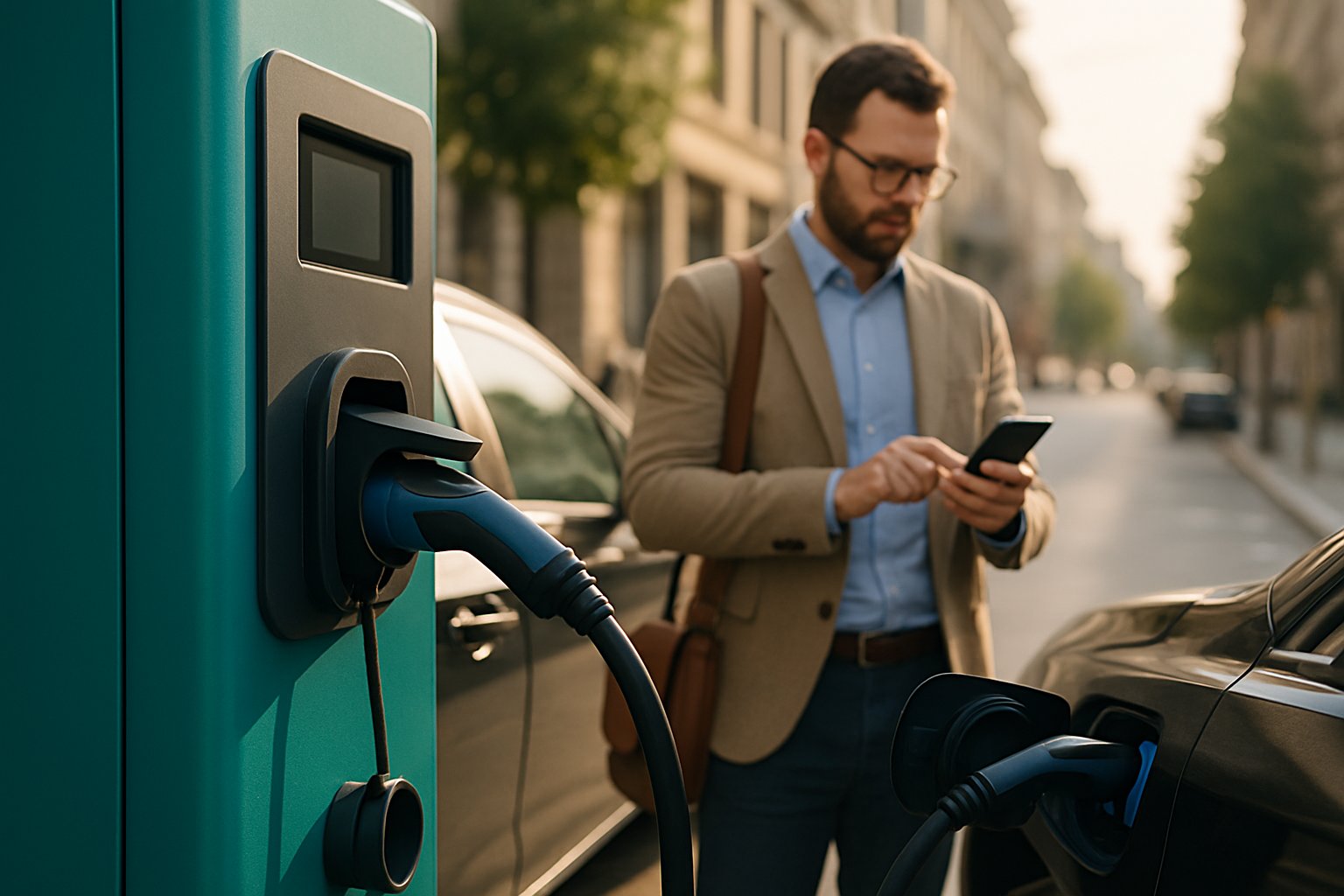
Sam Abuelsamid told the Los Angeles Times, “We probably will see an uptick in EV adoption if prices stay high.” However, he cautioned that inventory shortages could slow conversions. These insights confirm how quickly sentiment follows pump movements. The section shows that rising fuel costs immediately strengthen the EV narrative. Nevertheless, interest must still translate into signed contracts.
Fleet Economics Under Scrutiny
Delivery and logistics fleets face razor-thin margins. Therefore, any fuel surge demands rapid recalculation of total cost of ownership. UPS and municipal agencies have already re-run spreadsheets using March numbers. Their models show payback periods shortening by six months on some routes. AI Energy Economics frameworks guide these analyses by blending energy forecasts, depreciation curves, and tax rules.
Furthermore, California transit authorities report renewed bids for electric buses. The Iran war appears distant geographically, yet its price ripple forces local budget shifts. Consequently, procurement officers now ask software vendors for integrated charging and routing modules. Fleet managers also explore certifications to upgrade skills. Professionals can enhance their expertise with the AI Supply Chain™ certification.
Shorter payback windows entice executives. However, financing terms and infrastructure timelines still matter. These realities underline that economics alone cannot guarantee adoption. Still, revised spreadsheets mark a decisive step toward wider electrification.
Smart Charging Gains Momentum
Higher EV penetration threatens to shift peak load curves. Moreover, utilities fear transformer stress during evening hours. Smart charging offers a data-driven fix. IRENA estimates optimized algorithms can cut user energy bills by up to 70%.
- AI-in-charging market: $1.9 billion in 2025
- Projected 2026 value: $2.4 billion
- Forecast CAGR through 2030: ~26%
These numbers highlight rapid growth. AI Energy Economics underpins many smart-charging business cases by assigning monetary values to each avoided kilowatt. Consequently, platforms like Octopus Energy’s Kraken and The Mobility House attract investor attention.
California utilities lead several vehicle-to-grid pilots. However, cybersecurity remains a concern. Nevertheless, stakeholders agree that controlled charging is cheaper than grid reinforcement. This section demonstrates why optimizing electrons is now critical. Subsequently, software suppliers see clear monetization paths.
AI Software Market Surge
NVIDIA, Amazon Web Services, and specialist startups provide the computing backbone. Their models forecast demand, detect charger faults, and schedule maintenance. Additionally, predictive analytics slash downtime, which protects revenue.
Market researchers link the surge directly to gas volatility. When fuel prices rise, software that saves energy wins budget priority. AI Energy Economics appears in investor decks to justify capital raises. Meanwhile, venture capital continues flowing toward fleet-optimization applications.
Moreover, automakers integrate neural schedulers into dashboards. Drivers receive dynamic price signals and recommended charging windows. Consequently, consumer exposure to AI deepens daily. Another benefit surfaces: aggregated EV batteries can support the grid during shortfalls caused by the Iran war’s supply risks.
The expanding software stack creates talent gaps. Therefore, technical managers pursue advanced credentials. The previously noted certification delivers structured learning on supply-chain resilience in electric mobility. The market traction signals durable demand rather than hype.
Risks Temper Market Optimism
Upfront sticker shock persists for many shoppers. Furthermore, federal incentive uncertainty clouds budgeting. In contrast, fluctuating oil prices could fall quickly, eroding today’s perceived savings. AI Energy Economics scenarios must therefore stress-test multiple price bands.
Infrastructure gaps also linger. California boasts dense fast-charging corridors, yet rural drivers still worry about reliability. Moreover, interoperability issues hamper seamless roaming. IRENA warns that aggregated control expands cyberattack surfaces. Consequently, utilities demand robust encryption and standardized protocols.
Critics note that “fuel price shocks are temporary while car payments last years.” Nevertheless, forward-looking fleets hedge against volatility by locking in electricity contracts. These mixed signals reveal both obstacles and catalysts. However, continuous innovation can mitigate many barriers. The section underscores that prudent planning balances optimism with realistic constraints.
Strategic Moves For Stakeholders
Automakers must secure battery supply and diversify model lineups. Meanwhile, charging-network operators should accelerate deployments in underserved zip codes. Policymakers can streamline permits and sustain tax credits.
Investors may track three leading indicators:
- Regional fuel price trajectories
- Smart-charging software adoption rates
- Fleet electrification announcements
Consequently, portfolio allocation can pivot quickly when data shifts. AI Energy Economics dashboards help quantify exposures across sectors.
Utilities could monetize vehicle-to-grid capacity by launching virtual power plants. Moreover, public agencies in California can pilot time-of-use programs targeting low-income neighborhoods. These actions convert theoretical savings into measurable community benefits. This final section ties strategies to earlier insights. Therefore, stakeholders gain a roadmap rather than isolated facts.
These strategic steps summarize practical responses. Subsequently, decision-makers can move from analysis to execution.
Conclusion And Next Steps
Gasoline volatility has amplified the appeal of electric mobility. Higher pump prices, partially driven by the Iran war, magnify daily cost differences. Smart charging, fleet software, and grid services now stand at the center of AI Energy Economics. Nevertheless, purchase hurdles, infrastructure gaps, and cyber risks remind us that transitions require diligence.
However, proactive players can capture value through certifications, data analytics, and collaborative pilots. Consequently, readers eager to lead this shift should explore advanced learning paths. Visit the linked program, deepen your expertise, and position your organization for the coming energy transformation.
Disclaimer: Some content may be AI-generated or assisted and is provided ‘as is’ for informational purposes only, without warranties of accuracy or completeness, and does not imply endorsement or affiliation.


