

AI CERTS
4 weeks ago
Belagavi Startup’s Brand Identity Dispute With Anthropic PBC
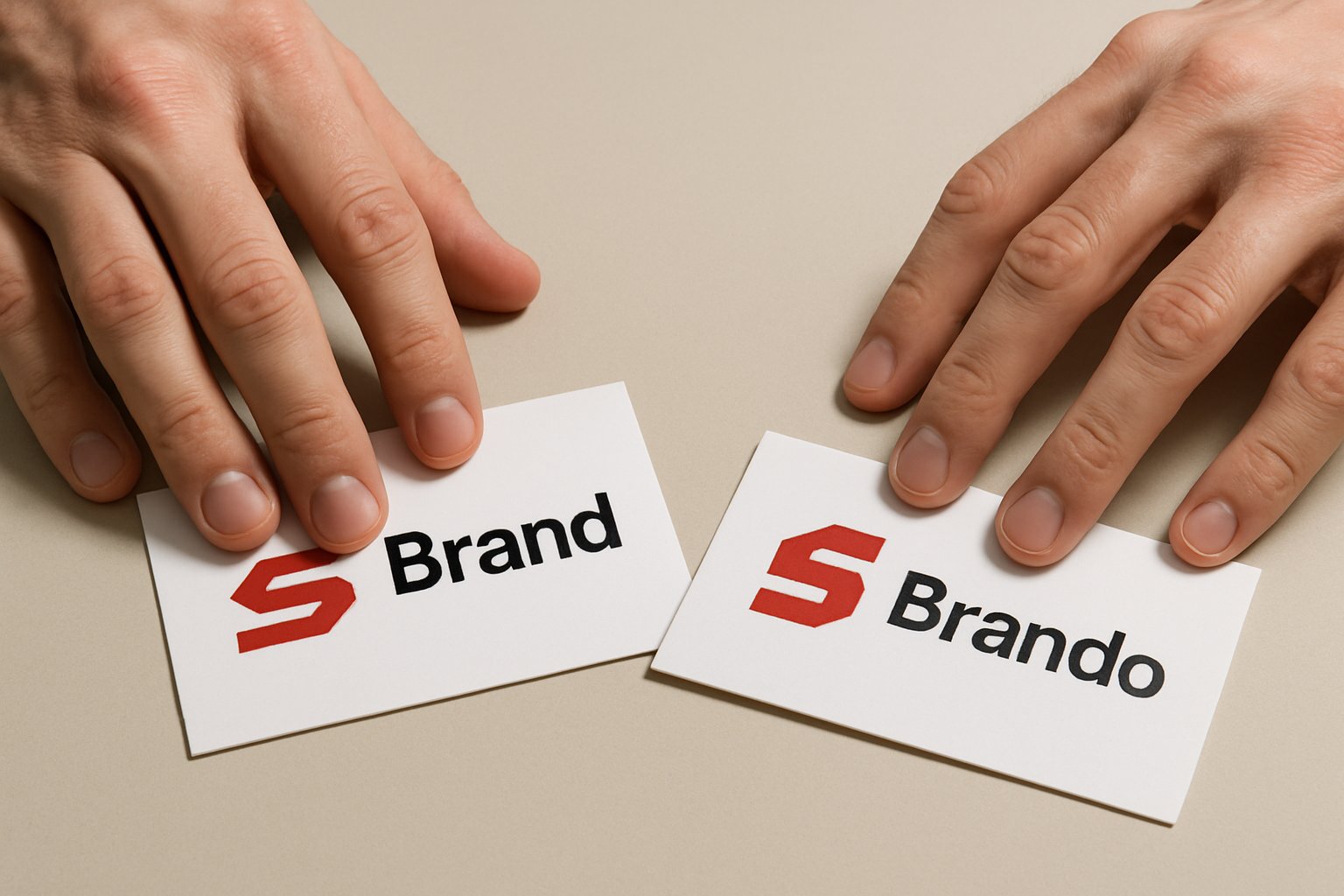
Belagavi-based Anthropic Softwares claims customer confusion, lost contracts, and online invisibility since the American company entered India.
In contrast, Anthropic PBC remains silent publicly, yet it continues hiring for its Bengaluru office.
The Belagavi court has issued summons but refused an ex-parte injunction, keeping both brands active for now.
Therefore, legal observers predict a lengthy fight that could influence foreign branding playbooks across emerging markets.
This article unpacks the Brand Identity Dispute, the litigation timeline, and the wider implications for AI enterprises.
Additionally, it highlights key legal concepts, stakeholder positions, and strategic actions executives should consider immediately.
Readers seeking deeper managerial insight can explore the AI Executive Essentials™ certification for structured guidance.
Brand Identity Dispute Impact
Belagavi’s plaintiff traded under "Anthropic" since 2017, offering custom enterprise software in logistics and education.
Meanwhile, the California defendant launched in 2021 and gained global prominence with Claude language models.
Consequently, when Anthropic PBC opened an Indian subsidiary, online searches began steering prospects toward the larger brand.
The Brand Identity Dispute documented e-mail misdirects and phone inquiries meant for the American entity, underscoring market confusion.
Such misdirection, the suit argues, erodes goodwill and hampers fund-raising opportunities vital for regional growth.
Overall, visibility losses pose immediate revenue threats.
However, court outcomes will dictate whether rebranding or coexistence becomes mandatory.
Timeline Of Court Actions
The Brand Identity Dispute reached the court on 12 January 2026 under commercial jurisdiction.
Subsequently, Judge Manjunath Nayak issued summons yet refused an ex-parte injunction citing no urgent harm.
Further hearings on 16 February saw fresh summons served upon Anthropic’s Bengaluru address after non-appearance.
Reports diverge on the next date; listings mention 9 March and 24 March, creating information gaps.
Moreover, press coverage on 19 February claimed the Registrar accepted the local Trademark application, strengthening future Infringement pleas.
However, direct registry verification remains pending, urging cautious reference to that acceptance claim.
The procedural pace has been deliberate.
These dates contextualize the legal framework ahead.
Legal Concepts Explained
Passing-off protects unregistered marks by requiring proof of goodwill, misrepresentation, and damage.
Therefore, Anthropic Softwares need not show registration if it demonstrates sustained reputation since 2017.
Conversely, statutory Infringement claims become stronger once the Registrar completes the application cycle.
Courts balance three factors while granting temporary relief: prima facie case, irreparable harm, and convenience.
Judge Nayak found no immediate harm, hence the ex-parte refusal aligned with precedent.
Moreover, jurisdictional questions may surface because Anthropic PBC operates through an Indian subsidiary.
The law favors consistent prior use.
Consequently, success hinges on evidence quality in this Brand Identity Dispute.
Arguments From Both Sides
Plaintiff counsel stresses uninterrupted use, regional goodwill, and measurable confusion among clients and investors.
Furthermore, they cite registrar acceptance as fresh support for their Trademark priority claim.
The plaintiff also quantifies damages near ₹10 million, though media figures vary slightly.
Meanwhile, Anthropic PBC may argue differentiated markets, international reputation, and the possibility of peaceful coexistence.
Additionally, procedural defenses could challenge service validity, jurisdiction, and even allege no Infringement occurs.
Nevertheless, continued overlap in search results weakens that stance, according to several observers.
Positions reveal room for settlement yet signal protracted Litigation if talks fail.
Therefore, monitoring negotiation signals remains essential before the Brand Identity Dispute escalates.
Industry And Market Context
India’s AI adoption grew 30% last year, drawing aggressive expansion from global model providers.
However, fragmented intellectual property enforcement creates uncertainty for overseas entrants.
This Brand Identity Dispute underscores risks of entering markets where earlier players already claim identical names.
Moreover, investors consider naming stability when valuing startups, especially during funding slowdowns.
Corporate counsel recommend early clearance searches, defensive Trademark filings, and real-time monitoring of social chatter to pre-empt Infringement notices.
- Annual AI investment in India: $1.4 billion (Nasscom 2025)
- Startups reporting naming clashes: 18 cases in 2025 (LocalCircles survey)
- Average settlement value: ₹75 lakh per clash (Bar & Bench analysis)
Consequently, the current case offers a live benchmark for risk modeling.
Market watchers await clarity on permissible coexistence.
Subsequently, that clarity will influence cross-border branding budgets next quarter.
Possible Future Scenario Paths
Three outcomes dominate analyst discussions.
First, the parties might settle, allowing limited coexistence with distinct visual branding and channel segmentation.
Second, the court could grant interim relief, forcing the U.S. firm to suspend Indian marketing until final judgment.
Third, a full trial may end with an order for complete rebrand or damages payment.
Additionally, a Registrar refusal of the American Trademark bid would weaken its negotiating leverage.
In contrast, global investors might press for compromise to avoid prolonged Litigation and valuation drag.
Scenario mapping aids board planning.
Therefore, leaders should monitor each Brand Identity Dispute milestone while preparing contingency budgets.
The Belagavi case illustrates how a local Startup can confront a global powerhouse through precise legal tools.
Moreover, evidence quality, timing, and market perception will steer this Brand Identity Dispute toward settlement or extended Litigation.
Consequently, founders entering India should run thorough clearance checks, secure early Trademark protection, and plan for possible Infringement claims.
Professionals seeking structured guidance can enrol in the AI Executive Essentials™ program to future-proof their branding strategy.
Therefore, follow the upcoming hearings to understand how Indian courts balance innovation and identity.
Such proactive measures avert another Brand Identity Dispute before markets react.


