

AI CERTS
15 hours ago
TikTok Transforms West Africa Agriculture Into a Social Market
The trend matters for yields, youth jobs, and regional food security. Moreover, researchers label the phenomenon "social agriculture" to underline its grassroots nature. Influencers convert likes into consultancy fees, while viewers gain pruning tips within seconds. In contrast, governments still rely on slow extension pamphlets.
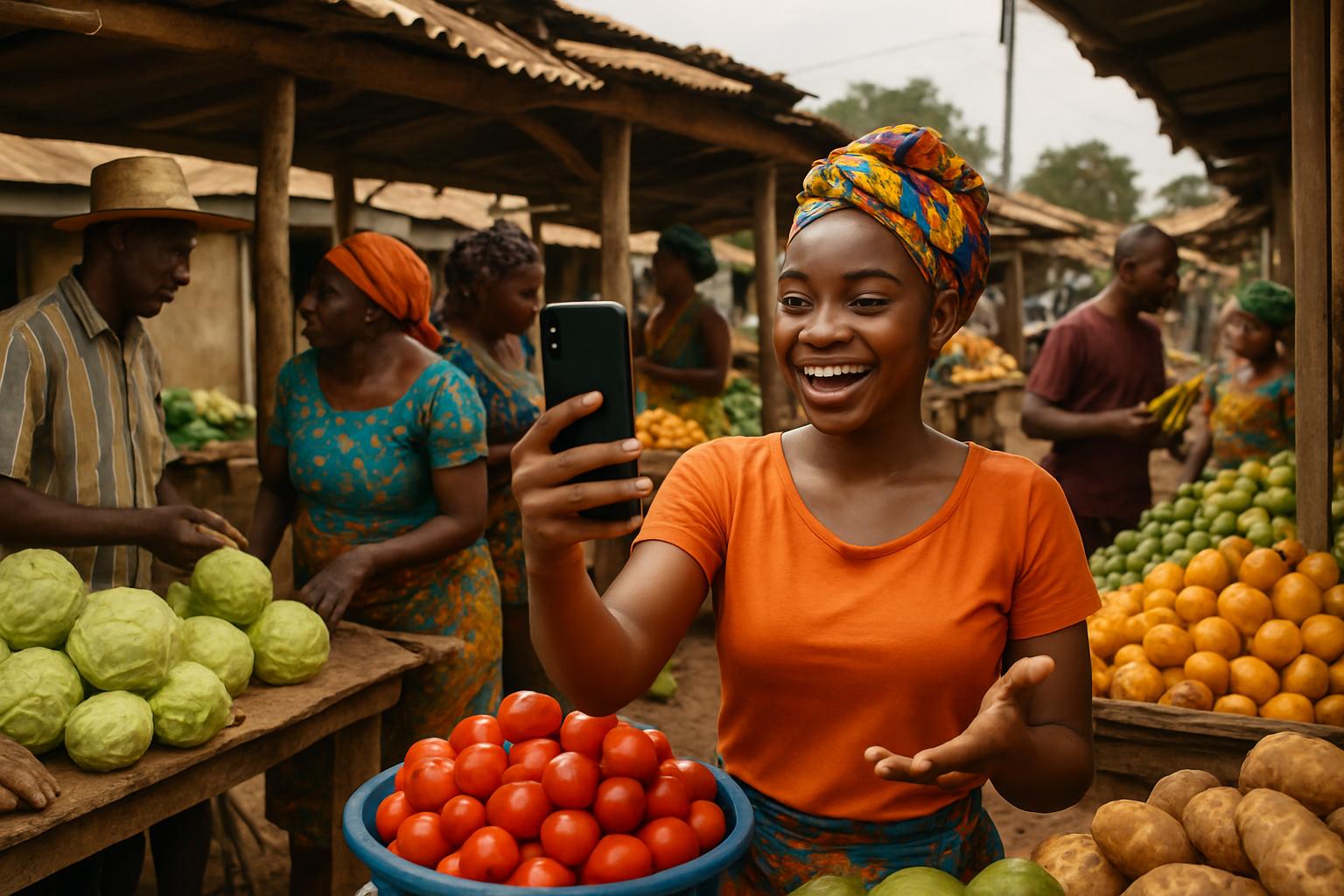
Additionally, the Caribou AgriInfluencer Network now claims five million cumulative followers across Africa. Mastercard Foundation backs that network, hoping to inspire young graduates to farm, not migrate. Meanwhile, a €56.8-million World Bank project seeks to wire Côte d'Ivoire's countryside with data towers. Nevertheless, roughly eighty percent of village growers still lack smartphones, according to CIRAD fieldwork. Therefore, understanding both promise and exclusion becomes urgent for investors and technologists.
Social Agriculture Momentum Rise
Caribou Digital defines social agriculture as peer learning on mainstream apps. Furthermore, video clips replace lengthy manuals with clear walkthroughs in local languages. Farmers record planting steps, then overlay narration and emojis for quick recall. Consequently, the process shortens innovation diffusion cycles that once took seasons.
The AgriInfluencer Network launched in 2024 with eleven creators reaching three million viewers. Moreover, membership doubled by late 2025, lifting cumulative reach above five million. Each creator mixes field footage and humour, keeping the average video length under one minute. Influencers report engagement spikes when an arresting image appears during the first two seconds. This surge positions West Africa Agriculture as a global case study for creative adoption. TikTok’s algorithm then pushes the clip to neighbouring countries, widening markets instantly.
Social agriculture now scales faster than formal extension efforts ever could. However, technology alone does not guarantee equitable impact, as the next section shows.
Key Drivers And Platforms
Multiple forces propel the movement beyond novelty. Firstly, cheaper Chinese smartphones dropped below US$50 across many rural stalls. Secondly, data bundles became more affordable after competitive spectrum auctions. Additionally, platforms court African creators through local language hashtags and cash challenges.
Caribou lists three platform affordances that fit farm realities:
- Short video on TikTok simplifies complex tasks visually.
- WhatsApp groups deliver daily price alerts and voice notes.
- Facebook storefronts showcase produce images and contact numbers.
Moreover, donors invest in supporting infrastructure. The Côte d'Ivoire E-Agriculture project allocates €56.8 million for connectivity and digital services. These factors jointly accelerate West Africa Agriculture into the social media mainstream. Consequently, bandwidth reaches farming hamlets previously limited to patchy voice coverage.
Affordable devices, engaging formats, and donor cash form a potent mix. Nevertheless, opportunities translate into income only when farmers seize them, as Section Three explores.
Opportunities For Regional Farmers
Monetization models proliferate alongside audience growth. For example, Nogaye Sene sells seedlings, offers coaching, and books speaking gigs through TikTok live sessions. Moreover, she estimates seventy percent of clients originate from her social channels. Pape Fall reports similar conversion rates after posting each harvest image with price and pickup location.
Caribou groups benefits into three pillars. Firstly, knowledge spreads quickly, raising yields through shared grafting hacks. Secondly, direct marketing reduces middlemen margins and transportation losses. Thirdly, public visibility refreshes farming’s reputation among urban youth. These gains illustrate why West Africa Agriculture attracts tech investors.
Additionally, some creators earn sponsorships from seed companies and solar pump vendors. Professionals can enhance their expertise with the AI Marketing Professional™ certification, strengthening strategic positioning online.
Opportunity windows appear wide for proactive growers across the region. However, glaring barriers still threaten progress, as the next section details.
Main Risks And Barriers
The bright narrative hides structural inequities. Nevertheless, CIRAD researcher Nicolas Paget warns that eighty percent of farmers lack smartphones. Furthermore, only eleven percent of Benin’s rural households enjoy reliable electricity, Financial Afrik reports. Data costs also deter smallholders during lean seasons.
Misinformation spreads faster than extension officers can respond. In contrast, scam accounts impersonate influencers and request payments upfront. Caribou therefore urges partnerships with agronomy institutes for fact-checking content.
Platform dependence adds another vulnerability. Subsequently, algorithm changes or geopolitical bans could erase customer pipelines overnight. Digital farming advocates acknowledge the risk yet maintain that diversification across apps mitigates shocks. Unchecked, these challenges may slow West Africa Agriculture momentum.
Risks underscore the necessity of inclusive design and reliable offline alternatives. Consequently, supportive policies become decisive, as Section Five explains.
Ecosystem Policy And Support
Governments gradually notice the viral farm economy. Moreover, Senegal’s ministry now consults influencers when planning extension calendars. The World Bank funds connectivity towers and training hubs under the Côte d'Ivoire E-Agriculture project. Additionally, Mastercard Foundation scales mentorship labs that pair agribusiness coaches with creators.
Policy analysts highlight three immediate levers:
- Subsidize rural data bundles.
- Certify agri-influencers through open badges.
- Integrate digital farming modules in vocational schools.
Furthermore, private telecom firms can sponsor creator competitions showcasing sustainable irrigation. Such campaigns simultaneously drive subscriber growth and climate-smart awareness.
Policy support thus anchors digital enthusiasm to long-term infrastructure. Nevertheless, measuring outcomes remains the looming challenge tackled next.
Critical Measurement Needs Ahead
Evidence gaps risk undermining enthusiasm. Consequently, policymakers request hard data on yields, incomes, and inclusion. Caribou plans randomized studies comparing digital farming cohorts with offline control groups.
Researchers also track gender outcomes and youth retention rates. Meanwhile, platform dashboards provide reach metrics but rarely share granular location data. Independent audits could combine satellite image analysis with ground surveys for robust insights.
Additionally, impact investors need clear return estimates before scaling grants or equity. Transparent indicators would help sustain West Africa Agriculture momentum beyond press headlines.
Robust measurement will validate or challenge current assumptions. The final section presents actionable steps for practitioners.
Practical Next Steps Forward
Stakeholders can act immediately despite lingering uncertainties. Firstly, agritech startups should co-design tutorial series with respected agri-influencers. Secondly, banks may pilot micro-loans linked to verified social commerce receipts. Thirdly, regional universities must embed mobile storytelling in agronomy curricula. A compelling thumbnail image remains essential for every strategy.
Moreover, local radio can replay popular TikTok segments, bridging rural connectivity gaps. Professionals upgrading strategy can again consult the AI Marketing Professional™ program for structured Digital farming guidance.
Consequently, collaborative ecosystems emerge where hardware, software, and soft skills reinforce one another. These coordinated actions will keep West Africa Agriculture competitive in a volatile climate. Actionable roadmaps now exist for every budget. However, sustained commitment determines whether promises become practice.
Social video has redrawn the map of regional food systems. Consequently, farmers, donors, and investors cannot ignore the momentum any longer. This report showed opportunities, risks, policies, and data gaps shaping West Africa Agriculture. Moreover, consistent measurement and inclusive infrastructure will decide the model’s longevity. Meanwhile, agri-influencers continue broadcasting field triumphs to millions in real time. Professionals eager to support creators should secure marketing fluency through the AI Marketing Professional™ credential today. Take action now and help rural talents harvest digital dividends.


