

AI CERTs
5 months ago
Iran War AI Drives Record Disinformation Surge
Mid-2025 brought a digital shockwave to Middle Eastern information spaces. Coordinated networks unleashed synthetic footage that confused journalists, citizens, and analysts alike. Observers quickly tagged the phenomenon as the most intense Iran War AI disinformation burst yet. BBC Verify recorded three fake videos topping 100 million views within days. Consequently, policy makers demanded urgent answers about scale, speed, and intent. This report unpacks the numbers, actors, and technology behind the surge. It also probes platform responses and future safeguards. However, we begin by defining core terms and spotlighting early warning metrics. Disinfo travelled faster than traditional reports and often came from slick anonymous accounts. Meanwhile, Iranian state media amplified several misleading claims during peak bombardments. Understanding these dynamics remains vital for experts tracking the next Iran War AI escalation.
Iran Disinformation Wave Overview
Researchers agree the present conflict produced an unprecedented content deluge. Moreover, Graphika noted multilingual assets appearing across TikTok, X, Instagram, and Telegram within minutes. The firm linked coordinated behaviour to several pro-Tehran clusters that praised military successes. Collectively, those clusters formed the backbone of the Iran War AI amplification machine. Disinfo often blended recycled festival footage with AI generated stills to fabricate battlefield scenes. BBC Verify calculated that top fake videos alone gained more than 100 million views. Consequently, several governments issued rapid public advisories debunking the sensational claims. These numbers underscore the looming challenge. In contrast, earlier regional conflicts never achieved comparable reach so quickly. Such scale demands renewed research attention. The data confirm a unique combination of automation and narrative discipline. Therefore, we next examine the platform mechanics that accelerated that spread.
Social Platforms Fuel Reach
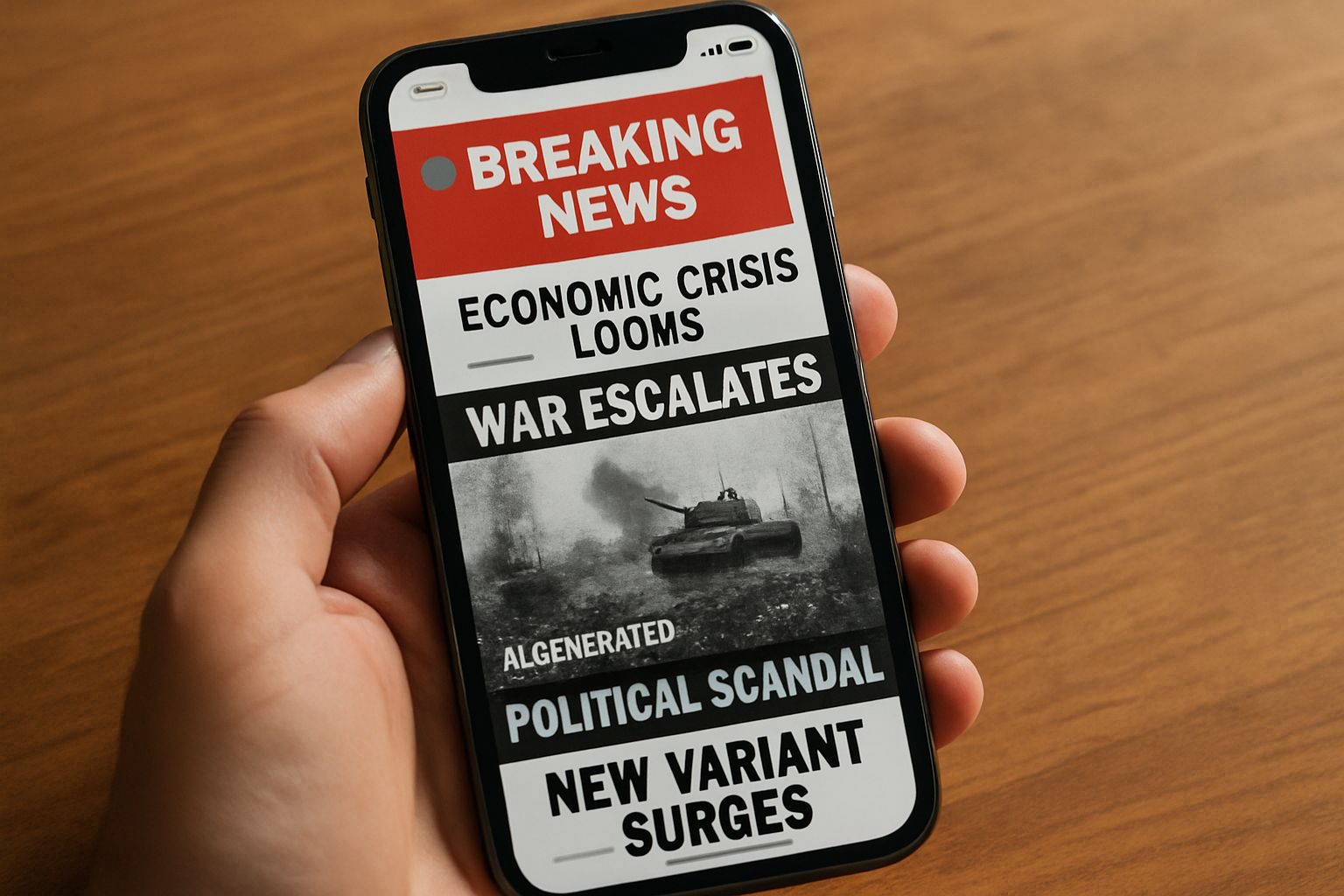
Platform algorithms reward engagement, regardless of veracity. Consequently, sensational footage rocketed to trending tabs before fact-checkers reacted. DFRLab logged an airport strike clip that amassed 6.8 million impressions on X within hours. Social platforms also delayed down-ranking because the content lacked prior moderation flags. Meanwhile, Iranian state media cited those viral videos as evidence of battlefield dominance. That feedback loop entrenched the Iran War AI narrative in multiple languages. Meta later removed related networks but offered scant incident-level transparency. Nevertheless, its transparency report lists 31 Iranian origin covert networks since 2017. TikTok issued broad takedowns yet researchers still found mirrored uploads within minutes. These enforcement gaps define the modern information battlefield. Platform design choices clearly shape conflict visibility. Subsequently, we dissect the specific tactics those networks employed.
Key War Tactics Identified
Graphika catalogued four dominant tactic families during the June escalation.
- Generative explosions and fabricated leader speeches.
- Recycled gamer footage framed as frontline videos.
- Old news clips recaptioned for present relevance.
- Botnet burst posting that overwhelms monitors.
Moreover, the Iran War AI ecosystem used multilingual captions to micro-target diaspora communities. Disinfo narratives often exaggerated casualty tallies to provoke emotional responses. Consequently, audiences accepted inflated numbers without external corroboration. These tactics proved inexpensive yet potent. Therefore, investigators encountered attribution challenges that we discuss next.
Verification Teams Rapidly Scramble
BBC Verify, AP, and Citizen Lab built collaborative dashboards to track emerging posts. However, restricted API access hampered real-time scraping efforts. Nevertheless, human experts still debunked several dramatic airport blasts within minutes. They cross-referenced satellite imagery, weather data, and historical archives. Meanwhile, state media sometimes ignored corrections and repeated the original claims unchanged. Such repetition complicated content takedown requests submitted by diplomats. In contrast, some platforms experimented with community notes that flagged disputed Disinfo. Those grassroots annotations improved context but lacked universal reach. Consequently, researchers urge mandatory public data portals for future crises. These operational hurdles reveal deeper policy tensions. Verification labour scales slowly against automated distribution. Therefore, we now examine the legal and ethical crossroads.
Policy And Ethical Tradeoffs
Governments confront a delicate balance between security and speech. Moreover, emergency takedown powers may chill investigative journalism if applied broadly. Human-rights groups warn Iran’s cybercrime bill already brands unfavourable content as hostile propaganda. Meanwhile, state media defends strict censorship, citing wartime necessity. Consequently, democratic platforms debate proportionality standards for Iran War AI incidents. Some executives advocate algorithmic throttling rather than wholesale removals. Critics counter that half-measures still allow false claims to linger. In contrast, disconnection orders would likely trigger broader regional instability. These dilemmas lack easy resolutions. Policy discussions must weigh public safety against information rights. Subsequently, we explore proactive mitigation strategies emerging from research labs.
Mitigation Paths Move Ahead
Researchers propose layered interventions that operate before and during crisis peaks.
- Automated classifiers pre-tag Iran War AI media for human review.
- Platforms release real-time dashboards showing impression removals.
- Lawmakers mandate anonymised crisis data access for researchers.
Moreover, simulation exercises reveal that early alert networks cut amplification windows by half. Consequently, emergency response plans must integrate Iran War AI escalation scenarios. Funding remains a hurdle, since many labs rely on philanthropic grants. Nevertheless, scalable solutions appear technically feasible within current infrastructure. Proactive measures can reduce future synthetic shocks. Next, we highlight workforce development efforts supporting those measures.
Upskilling Drives Media Resilience
Human expertise will remain central despite automation gains. Therefore, newsrooms invest in advanced prompt engineering curricula for verification specialists. Professionals can enhance skills through the AI Prompt Engineer™ certification. The course teaches structured questioning that improves generative model interpretability. Moreover, graduates learn to stress-test content pipelines against Iran War AI deception ploys. Media organisations also run tabletop drills involving synthetic battlefield footage. Subsequently, staff gain muscle memory for triage, escalation, and public messaging. These capacity projects shorten verification cycles and rebuild audience trust. Skill building complements technical countermeasures discussed earlier. Finally, we recap the strategic insights covered today.
The 2025-2026 conflict illustrates how synthetic content disrupts wartime decision loops. Platform mechanics, adversary creativity, and policy gaps combined to accelerate false narratives. Nevertheless, transparent dashboards, rigorous research, and skilled personnel can blunt the Iran War AI tide. Continuous training, including the highlighted certification, fortifies newsroom defences. Moreover, collaborative standards will aid cross-border fact-checking during future Iran War AI crises. Consequently, leaders should prioritise investment in both tooling and talent. Act now and equip your team with cutting-edge expertise for the next information storm.
Disclaimer: Some content may be AI-generated or assisted and is provided ‘as is’ for informational purposes only, without warranties of accuracy or completeness, and does not imply endorsement or affiliation.


