

AI CERTs
12 hours ago
OpenAI’s NATO Move Redefines Military AI Defense Landscape
Few technology stories unite diplomats, generals, and coders. However, OpenAI’s quiet approach to NATO networks has done exactly that. Many observers now watch the unfolding Military AI Defense narrative for its potential to alter allied planning. Consequently, expert circles debate benefits, risks, and procurement roadblocks in equal measure. Meanwhile, executives acknowledge brand dangers yet still signal strategic urgency. This article unpacks the facts, highlights unanswered questions, and offers guidance for professionals following the deal.
OpenAI already supports the Pentagon’s GenAI.mil platform. Therefore, a NATO engagement would extend commercial frontier models across a Global coalition. Moreover, the move arrives as Anthropic resists demands to ease guardrails, illustrating market tension. Readers will gain clarity on the contract’s status, classification boundaries, and supply-chain implications.
NATO Contract Details Explained
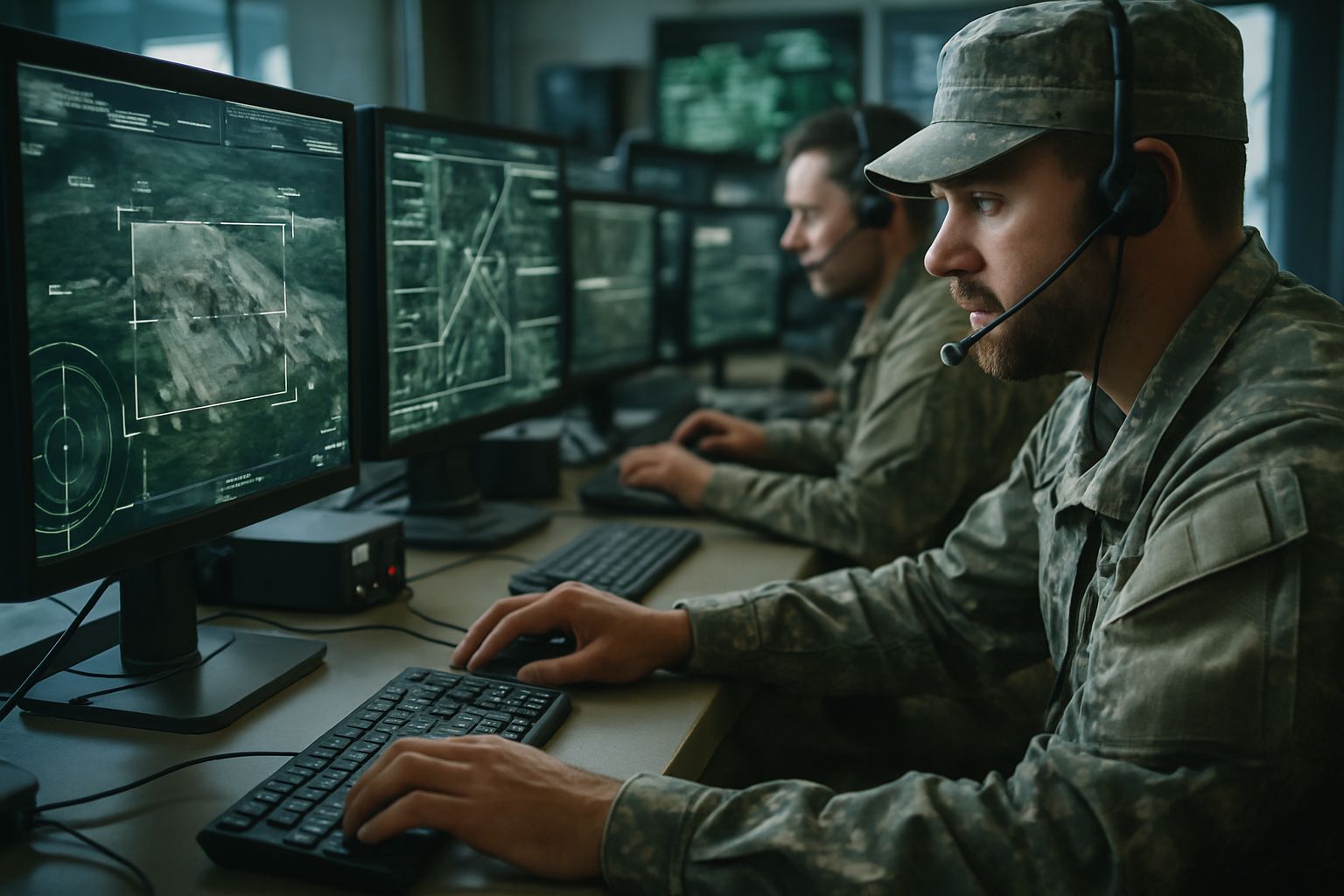
Reuters reports that OpenAI is “considering” deploying its model on NATO’s unclassified networks. Altman initially referenced “classified” access, yet that remark was corrected. Consequently, the prospective work remains confined to open-tier systems. Current NATO service catalogues already showcase chatbot Software at the Unclassified level, confirming operational precedent. However, no official solicitation or award has surfaced.
Procurement insiders note the Pentagon’s frontier model contracts cap at roughly $200 million each. Similar scale could entice OpenAI. Nevertheless, NATO must coordinate contributions from 32 member states, complicating timing. Uncertainty persists around hosting clouds, data ownership, and export approvals.
These facts sketch only an early outline. Nevertheless, they underscore why stakeholders treat the news seriously. The next section explores commercial forces shaping adoption.
Commercial AI Enters Military
Defense agencies increasingly tap commercial large-language models for translation, summarization, and decision support. Furthermore, GenAI.mil already counts 1.1 million unique users, showcasing rapid demand. OpenAI’s entrance followed Anthropic’s refusal to loosen safety thresholds. Consequently, Pentagon leaders diversified suppliers to avoid capability gaps.
NATO leaders see similar productivity gains. Moreover, shared tooling could boost Alliance interoperability during joint operations. Private vendors promise constant upgrades, unlike multi-year bespoke projects. Therefore, advocates frame frontier models as accelerators for Military AI Defense modernization.
Commercial momentum is undeniably strong. However, accelerated deployment raises difficult ethical and technical questions that we examine next.
Key Benefits And Risks
Policy analysts cite three primary upsides:
- Speed: Immediate capability without lengthy in-house development.
- Interoperability: Shared interfaces improve coalition coordination.
- Cost: Volume licensing can undercut bespoke military Software.
Nevertheless, critics warn about mission creep and reduced guardrails. In contrast, Anthropic’s stance illustrates supplier pushback when governments demand “all lawful uses.” Additionally, technical hazards—hallucination, data leakage, adversarial prompts—remain serious. Consequently, rigorous red-teaming and audit mechanisms are essential.
Reputational fallout also looms. Altman admitted “very negative PR” could follow deeper defense work. Employee dissent may intensify if NATO contracts expand. These dualities demonstrate that Military AI Defense promises and perils arrive together.
Balancing these elements will shape contract language. However, classification boundaries add another layer, explored below.
Sensitive Classification Boundary Questions
Current discussion centers on unclassified NATO networks. Therefore, deployment avoids the strict controls demanded by secret domains. Nevertheless, unclassified does not equal trivial. Alliance data often carries personal or operational sensitivity requiring strong Security assurances.
Export laws restrict model updates crossing certain borders. Moreover, some members fear dependencies on U.S.-centric infrastructure. Consequently, special security agreements may define hosting regions, auditing rights, and incident reporting.
Supply Chain Risk Safeguards
Atlantic Council analysis recommends multi-layer vendor vetting. Furthermore, governments should mandate reproducible builds, secure enclaves, and continual penetration tests. These measures limit compromise probabilities and bolster overall Security.
Clear boundaries protect data while enabling collaboration. Subsequently, procurement debates shift toward politics, our next focus.
Procurement And Alliance Politics
Multi-national buying creates complexity far beyond single-nation deals. Additionally, each NATO member applies unique budget cycles and domestic oversight. Consequently, consensus processes delay signatures even when capability gaps feel urgent.
Suppliers must navigate export controls, intellectual property clauses, and liability frameworks. Moreover, potential hosting partners like Microsoft or Amazon introduce extra negotiation layers. Political optics also matter. Some European parliaments question American dominance in Global defense Software. Nevertheless, cost pressures often favor established U.S. cloud ecosystems.
Recent events highlight these tensions:
- Anthropic’s dispute showed how guardrails collide with mission priorities.
- OpenAI’s brand concerns reveal private workforce influence.
- NATO chatter indicates appetite yet underscores scrutiny from all capitals.
These dynamics illustrate that technical merit alone seldom seals a Military AI Defense agreement. However, guidance exists to manage hurdles, as the final section explains.
Future Outlook And Guidance
Observers expect NATO to release a formal request for information before summer. Consequently, OpenAI and rivals will detail safeguards, localization options, and pricing tiers. Independent experts advise drafting clauses that lock persistent guardrails regardless of operational pressure.
Professionals seeking to prepare should monitor forthcoming GenAI.mil interoperability briefs. Moreover, enhancing personal literacy remains wise. Practitioners can expand foundational knowledge through the AI for Everyone™ certification. The program covers risk mitigation, alliance policy, and secure deployment patterns—all crucial for Security architects.
Alliance partners also plan cross-border pilot projects to validate latency, privacy, and cost assumptions. Subsequently, final awards could follow in 2027 if reviews proceed smoothly.
Stakeholders now possess clearer timelines. Nevertheless, continued transparency will determine ultimate adoption success.
The looming decisions could redefine Military AI Defense across the Global arena. Therefore, sustained engagement from technical, legal, and policy communities remains essential.
In summary, OpenAI’s possible NATO contract exemplifies the convergence of frontier technology with multinational strategy. Moreover, benefits like rapid interoperability compete with legitimate worries over guardrails, supply-chain risk, and political optics. Consequently, procurement teams must craft robust agreements that satisfy every member state. Readers should track official solicitations, enhance skills, and contribute to balanced governance. For deeper insights, explore certified learning paths and stay informed on evolving alliance initiatives.


