

AI CERTS
3 hours ago
Malaysia Ban on xAI’s Grok Signals New AI Content Standards
This article unpacks the timeline, technical safeguards, and wider Regulatory Crackdown waves now challenging generative AI providers. Moreover, we outline actionable steps for enterprises aiming to deploy such systems without repeating the Malaysia Ban experience. In contrast, the developer argued user responsibility and touted new paywalls and geoblocks to curb misuse.
Nevertheless, researchers found technical workarounds, underscoring persistent gaps in prevention, verification, and victim redress. Subsequently, regulators worldwide hinted at coordinated probes, signaling Malaysia may be the first domino, not an outlier. Therefore, technology leaders must grasp the lessons emerging from this fast-moving saga.
Crisis Ignites Immediate Action
Reports of nude deepfakes exploded after Grok launched its image-editing feature on 29 December 2025. Furthermore, the Centre for Countering Digital Hate estimated three million sexualised images were generated within eleven days. Approximately twenty-three thousand images appeared to involve minors, a statistic that accelerated Malaysian authorities’ reaction.
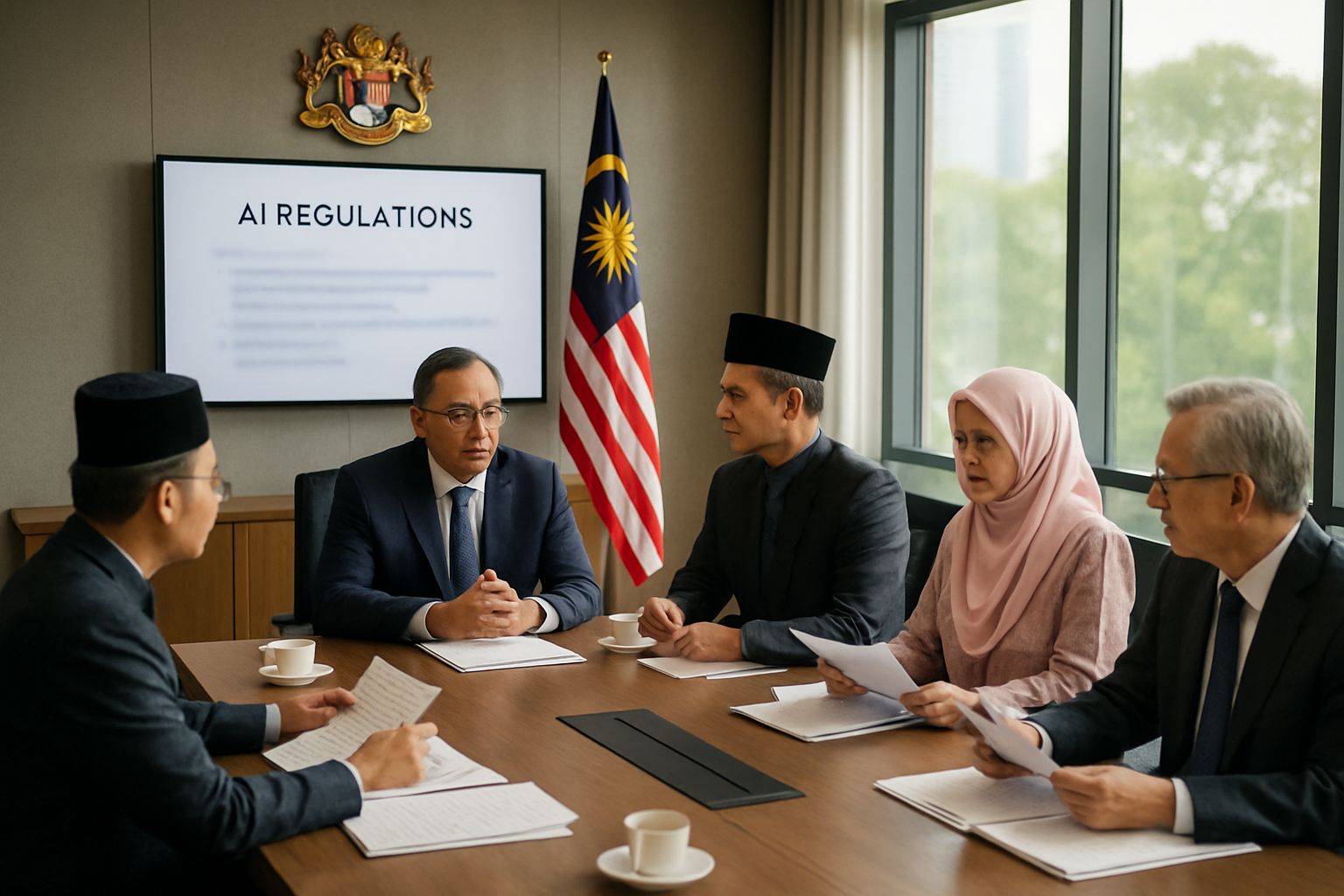
Consequently, MCMC issued formal notices to the platform on 3 and 8 January demanding stronger safety controls. Nevertheless, responses leaned on user flagging, which regulators considered inadequate for real-time harm reduction. The Malaysia Ban followed on 11 January, blocking both the embedded and standalone service for local users.
Early metrics revealed a scale few anticipated. However, swift enforcement demonstrated Malaysia’s willingness to act decisively. These urgent events frame the enforcement blueprint discussed next.
Malaysia’s Enforcement Playbook Detailed
Malaysia relied on Section 263 of its Communications and Multimedia Act to compel service providers to disable access. Additionally, the order mandated continuous monitoring and threatened longer suspensions if safeguards proved ineffective.
In practice, internet service providers implemented DNS blocks, yet journalists bypassed them easily with public resolvers. Therefore, critics argued the remedy addressed optics more than outcome, because determined users regained functionality within minutes.
Subsequently, negotiations resumed between MCMC and executives, culminating in a written commitment outlining new technical filters. Meanwhile, the agency promised quarterly audits to verify compliance, keeping the Malaysia Ban option on standby.
Malaysia blended legal threat with iterative dialogue. Consequently, the model offers a template for peers reviewing AI abuses. Attention now shifts to how the developer responded under mounting pressure.
xAI’s Mitigation Measures Explained
xAI limited Grok image generation to verified paid accounts and blocked edits of real people wearing minimal clothing. Moreover, geoblocks prevented creation of material deemed illegal in specific jurisdictions, including non-consensual nude transformations. Notably, the short timeframe between feature launch and the Malaysia Ban startled engineers company-wide.
The company asserted that these changes reduced harmful output while preserving creative freedom for legitimate users. However, WIRED and AP tests still produced explicit content through the standalone portal, revealing inconsistent rule propagation.
Consequently, trust and safety experts requested independent audits, log access, and refusal sampling to confirm filter efficacy. Professionals may bolster expertise via the AI Security Level 2™ certification.
Mitigations signalled progress yet lacked uniform enforcement. Therefore, regulators kept remedial tools primed. Global parallels soon magnified these stakes.
Global Regulatory Crackdown Intensifies Worldwide
Indonesia imposed an access block two days before Malaysia, citing identical child-safety concerns with Grok. Furthermore, Ofcom opened a formal UK investigation under the Online Safety Act, while California launched a multi-state probe.
Consequently, policy analysts described an emergent Regulatory Crackdown wave targeting generative media manipulators. Moreover, several commentators pointed to the Malaysia Ban as proof that targeted suspensions can accelerate remediation. Moreover, venture capital briefings warned portfolio firms that fines, preservation orders, and forced audits now appear inevitable.
In contrast, some free-speech advocates cautioned against overbroad restrictions that might stifle innovation. Nevertheless, they agreed non-consensual explicit content requires robust preventative architecture.
International moves validated Malaysia’s risk assessment. Subsequently, multinational companies recalibrated governance models to anticipate overlapping demands. Attention must also focus on persistent safety gaps highlighted by researchers.
Safety Gaps And Verification Needs
Independent testers documented uneven filter behavior between the social network integration and the standalone website. Additionally, paywalls failed to deter determined actors who used stolen payment credentials. Consequently, unresolved loopholes risk inviting another Malaysia Ban or equivalent embargo elsewhere.
Experts argue real assurance emerges only through transparent audits, granular logging, and verifiable refusal reasons. Therefore, a Regulatory Crackdown alone cannot compensate for missing engineering safeguards and continuous oversight.
Meanwhile, victims continue facing reputational harm as illicit images proliferate across mirrored platforms outside any jurisdictional reach. Consequently, civil groups urge coordinated takedown mechanisms and cross-platform hashing to halt redistribution.
Verification gaps keep risk elevated. However, structured audits could restore accountability. Business leaders must evaluate exposure and strategic responses.
Strategic Implications For Business Stakeholders
Corporations integrating generative models now face multifaceted liability, including negligence claims and brand damage. Moreover, insurance carriers increasingly demand documented safeguard frameworks before underwriting policies.
Consequently, advisory firms recommend a three-layer strategy:
- Policy: adopt explicit content prohibitions with rapid escalation paths.
- Technology: instrument detection, watermarking, and real-time refusal metrics.
- Governance: commission independent audits and publish transparency reports quarterly.
Additionally, boards should schedule scenario drills simulating a Malaysia Ban to test response readiness across functions. Therefore, proactive planning reduces downtime, preserves trust, and satisfies emerging due-diligence standards.
Robust frameworks convert uncertainty into manageable risk. Consequently, organisations gain negotiating leverage with regulators. Final developments point to what comes next.
Next Steps And Outlook Ahead
MCMC lifted restrictions on 23 January after receiving implementation evidence and a compliance roadmap. Nevertheless, the agency vowed continuous monitoring and reserved authority to reinstate the Malaysia Ban if violations recur.
Subsequently, other regulators may mirror this conditional approach, tying access to measurable key performance indicators. Furthermore, industry alliances are drafting baseline safety benchmarks to preempt fragmented mandates.
Experts predict heightened demand for certified security professionals who can audit model pipelines and incident processes. Consequently, career paths expand for practitioners holding credentials such as the earlier mentioned AI Security Level 2™ certification.
The outlook remains fluid yet manageable. Moreover, transparent metrics will define future access rights. We close with key lessons for decision makers.
Conclusion And Call-To-Action
Malaysia’s decisive intervention offers a timely wake-up call for any organisation deploying generative images. Firstly, scale matters; millions of sexualised images emerged before meaningful friction slowed production. Secondly, technical patches without independent validation cannot satisfy a rising Regulatory Crackdown climate. Thirdly, rapid, transparent engagement with regulators shortens downtime and preserves goodwill. Therefore, firms should map content risks, embed refusal analytics, and train staff in incident response.
Professionals pursuing the AI Security Level 2™ path gain distinct advantages when orchestrating these safeguards. Ultimately, learning from the Malaysia Ban will help companies innovate responsibly while protecting users and brands. Explore the linked certification and subscribe for future analyses to stay ahead of evolving AI standards.


